

Introduction – The Cozy Appeal of Vegan Tomato Soup
Why This Classic Dish Deserves a Vegan Makeover
Let’s be honest—some foods are just pure comfort, no questions asked. And tomato soup? That’s one of them. It’s the kind of dish that brings you back to rainy afternoons, curled up on the couch, maybe with a grilled sandwich in hand. It’s warm, familiar, and so simple it almost feels like a hug in a bowl. But traditionally, this creamy classic leans hard on dairy—like butter, cream, or even milk powder in pre-made versions. Not great news for anyone eating plant-based, lactose-intolerant, or just trying t…
But here’s the thing: switching to a vegan version doesn’t mean giving up that silky, spoon-coating richness. In fact, it’s often better. You’re not just replacing ingredients—you’re elevating them. Think cashew cream for that dreamy texture, or coconut milk for a gentle, creamy swirl. Add some roasted garlic, sautéed onions, and a few garden-fresh herbs? You’ve just turned a childhood staple into something you’d proudly serve at a dinner party. No cow …
💡 Pro tip: Layer your flavors from the start—sauté those onions and garlic until golden before anything else touches the pot. Trust me, it matters.
What to Expect in This Guide: From Scratch to Savoury Perfection
This isn’t just a recipe roundup. It’s a crash course in building next-level vegan tomato soup from scratch—the kind of soup that makes you pause after the first spoonful. We’ll cover everything from tomato selection (yes, it makes a difference) to clever tricks for building richness without a drop of dairy. Whether you’re batch cooking for the week or making a small pot for a cozy dinner, this guide’s got your back.
You’ll learn how to tweak the texture, spice up the flavor, and finish it off with toppings that actually make you excited to eat soup again. Want to swirl in some smoky chipotle? Go for it. Curious about lentil add-ins or freezer tips? Covered. By the time you’re done, this won’t just be a recipe—it’ll be your signature dish.
Choosing the Right Tomatoes for the Perfect Soup
Fresh vs. Canned: Which Brings More Flavour and Convenience?
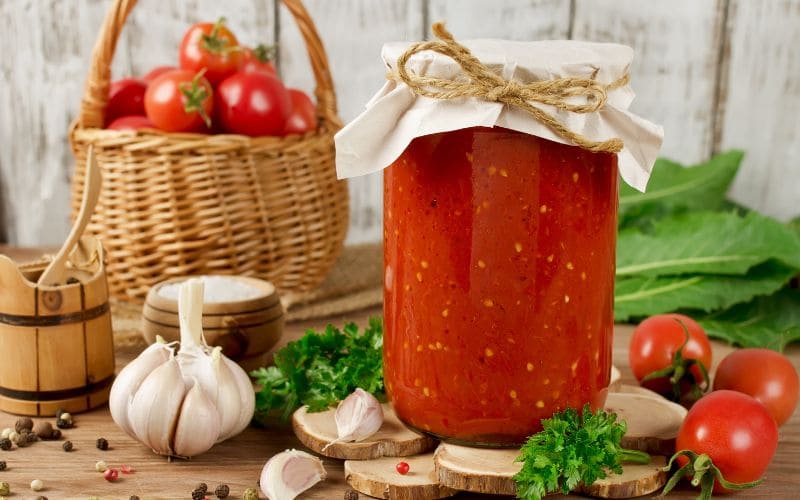
Alright, let’s talk tomatoes. They’re the main character here, so choosing the right ones really sets the stage. If you’re lucky enough to catch tomato season, grab the fresh ones. There’s nothing quite like that sun-ripened sweetness you get from a juicy heirloom or plum tomato straight from the farmer’s market. But fair warning—it’s a bit more effort. You’ll need to peel, maybe seed them, and simmer them longer to get that thick consistency.
Now, for the rest of the year—or when time is tight—canned tomatoes are your hero. Don’t roll your eyes—some of the best soups start with a tin. They’re picked and packed at their peak, so flavor-wise, they’re no slouch. Just make sure you’re reaching for the good stuff: look for whole peeled San Marzano or high-quality organic varieties with no weird added sugars or citric acid.
Here’s the quick breakdown:
- Fresh tomatoes: Great in summer, bright and juicy, but need prep and simmering time.
- Canned tomatoes: Easy, flavorful, available year-round, and honestly? Sometimes even better for soup.
If you’re making a weeknight meal, go canned. If you’re feeling fancy or flush with farmer’s market finds, fresh is worth it. No judgment either way.
💡 Pro tip: Out of season? Don’t force it. Use canned San Marzanos and roast them for even deeper flavor—no one will know they came from a tin.
Best Varieties: Roma, San Marzano, Heirloom, or Cherry?
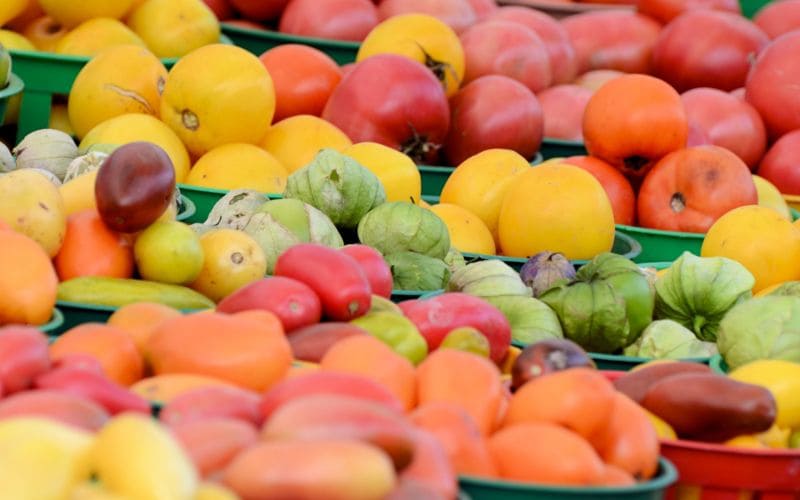
You know how people say, “Tomatoes are tomatoes”? Yeah, no. That’s like saying all paint colors are the same. If you want a soup that truly sings, you’ve got to pick the right type of tomato—because each variety brings its own personality to the pot. Some are bold and acidic, others mellow and sweet. The texture, moisture content, even how they break down when simmered—all of it matters more than you think.
Let’s break down the top contenders and when you might want to reach for each one:
- Roma: These are the workhorses of the soup world. Low in moisture, light on seeds, and perfect for a thick, no-fuss puree. They’re like the friend who always shows up with snacks and good advice—reliable and low drama.
- San Marzano: Sweet, subtle, and oh-so-smooth. This iconic Italian tomato is beloved by chefs for a reason. Think deep flavor with barely any bite. They’re a dream when you want that classic, velvet-textured tomato base.
- Heirloom: Tangy, earthy, and kind of unpredictable in the best way. These are the wildcards. If you’re aiming for a rustic, artisanal soup that tastes like it came from a farmer’s market stand, this is your go-to.
- Cherry: Not traditional, but hear me out. Roast these tiny bursts of sweetness and you’ll get a pop of bright flavor that adds serious charm to your blend. Use them as a complement, not the main event.
If you’re feeling a little extra, you can even mix two types together. For example, pair Roma for thickness with cherry tomatoes for a sweet top note. You’ll be amazed at the depth that combination delivers.
| Variety | Flavor Profile | Best Use |
|---|---|---|
| Roma | Mild, low-moisture | Thick, smooth soups |
| San Marzano | Sweet, low-acid | Classic Italian-style soups |
| Heirloom | Complex, tangy | Rustic, textured soups |
| Cherry | Sweet, bright | Roasted add-ins, garnish |
💡 Pro tip: Combine Roma and cherry tomatoes for a soup that’s both hearty and naturally sweet—best of both worlds!
Should You Roast Your Tomatoes First? Here’s When and Why
If you’ve ever wondered how chefs make their tomato soup taste like magic, this is it: roasting. It’s the easiest way to unlock deep, caramelized flavor that raw or boiled tomatoes just can’t match. Roasting gently pulls out the natural sugars in the tomatoes, giving them that mellow, slightly smoky sweetness that coats your tongue and makes you go back for seconds.
And guess what? You don’t need to be a kitchen wizard to do it. Just slice your tomatoes in half, drizzle them with olive oil, throw in some garlic, a pinch of salt and pepper, and let the oven do the rest at 400°F (200°C) for 25–30 minutes. It works like a charm for both fresh and canned varieties. (Yes, you can roast canned tomatoes—just drain and spread them out on a tray!)
This step is especially helpful if your tomatoes are a little on the bland side—like out-of-season or mass-market ones. Roasting brings their flavor back to life, with almost zero effort.
💡 Pro tip: Roast underripe or bland tomatoes with garlic and herbs—you’ll give your soup a deep, smoky boost no stovetop alone can deliver.
Building a Deep, Rich Base from Scratch
The Essential Aromatics: Onion, Garlic, and Carrots
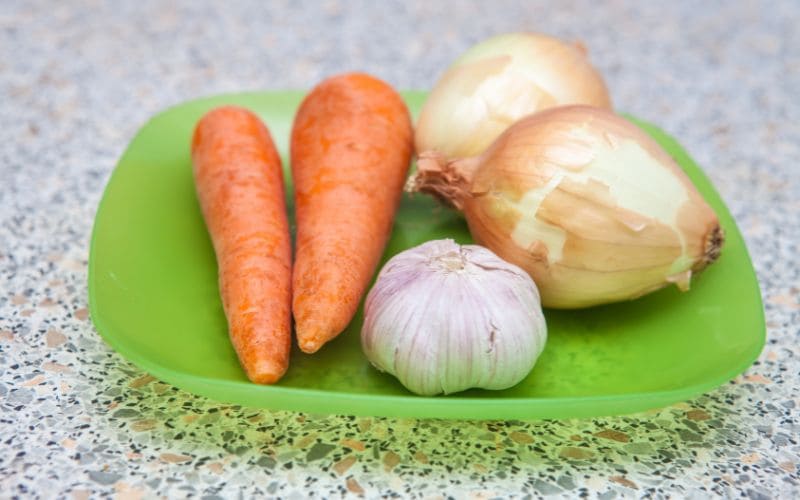
Here’s the thing—great soup doesn’t just happen. It’s built, layer by layer. And the very first layer? Your aromatics. That classic trio of onion, garlic, and carrots is the unsung hero of every bowl of soul-warming tomato soup you’ve ever loved. It doesn’t shout. It whispers flavor into the background of every bite.
Start with a glug of olive oil in the pan—just enough to make things sizzle, not drown. Toss in chopped yellow onions and let them sweat slowly. No rushing. You want them soft, golden, and sweet—not crispy or burnt. Garlic comes next. Fresh is non-negotiable here. Stir it in just as the onions start to caramelize so it blooms instead of burns. Finally, in go the carrots. They might seem subtle, but they balance out the acidity of the tomatoes and give your soup a natural, sugar-sweet edge that adds body and comfort in equal measure.
Keep the heat low, and give it time. This step sets the tone for the entire dish—rush it, and your soup will know.
- Yellow onions: Balanced and sweet, perfect for slow sautéing.
- Fresh garlic: Adds warmth and depth—don’t skimp or overcook.
- Carrots: Naturally sweet, and they blend like a dream.
💡 Pro tip: Slow and steady wins the flavor race—give your aromatics at least 10 minutes to truly develop.
Choosing the Right Broth: Homemade vs. Store-Bought Vegetable Stock
Think of broth like the soundtrack in a movie. You may not notice it consciously, but if it’s bad, everything feels off. A solid vegetable stock forms the backbone of your tomato soup, lifting the tomato, herbs, and aromatics instead of weighing them down.
If you’ve got the time and a crisper drawer full of trimmings, homemade is unbeatable. Simmer celery, leeks, garlic, onion peels, bay leaves, and thyme for a couple hours, and you’ve got liquid gold. But real talk? We don’t always have time to simmer broth while life is simmering, too. Enter: the store-bought shortcut. And that’s fine—as long as you choose wisely.
Look for options labeled low-sodium and skip anything with caramel color or unpronounceables. Taste it before it goes into your soup. If it’s bland on its own, it’s not going to do you any favors.
- Homemade: Custom flavor, no preservatives, pure comfort.
- Store-bought: Time-saving and still tasty—just read the label.
- Boost it: Drop in a bay leaf, sprig of rosemary, or a pinch of fennel while simmering to wake it up.
💡 Pro tip: Always taste your broth before committing—bland stock equals flat soup.
Unlocking Umami Without Animal Products: Miso, Tamari, and Nutritional Yeast
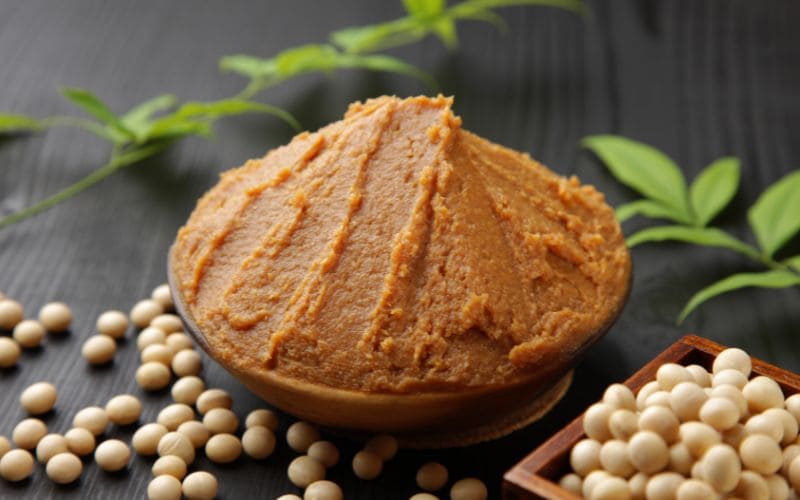
Let’s talk umami—the fifth taste, the savory soul of food. Without meat or dairy, it’s easy to end up with a soup that tastes… fine. But we want fireworks. And the good news? Plants can totally bring it.
Miso paste is like a magic wand for vegan soup. Just a spoonful of white or mellow miso stirred in at the end adds a rich, savory depth that makes people ask, “What’s in this?” (Bonus: It’s probiotic too!) Tamari, the gluten-free cousin of soy sauce, brings a salty, satisfying hit that rounds out the sharpness of the tomatoes. Use sparingly—it’s strong stuff.
And then there’s nutritional yeast. Don’t let the name fool you. It tastes nothing like yeast and everything like cheese. A few tablespoons added to the pot gives your soup a warm, nutty background that plays beautifully with tomato’s brightness. Blend all three together and you’re no longer “replacing” dairy—you’re outshining it.
- Miso paste: Savory, fermented, and deepens flavor instantly.
- Tamari: Bold, salty, and balances out acidity.
- Nutritional yeast: Adds cheesy richness—totally vegan, totally addictive.
💡 Pro tip: Stir in miso or tamari at the very end so their flavors stay fresh and bold—not cooked away.
How to Achieve the Silkiest Texture with Simple Tools
If your soup doesn’t glide off the spoon like velvet, you’re missing out on one of its greatest pleasures. Creating that ultra-smooth, creamy texture isn’t just about the ingredients—it’s about how you blend them. A high-speed blender is the gold standard. It breaks everything down into a silky, almost luxurious consistency. If you’re using nuts or beans in your base, this tool will make them disappear into a rich, cohesive texture. Just be sure to work in batches to avoid overfilling.
Don’t have a high-speed blender? No stress. An immersion blender is your next best bet. It’s easy to use and a breeze to clean, especially for those midweek soup sessions. The only downside? It might leave behind some bits of tomato skin or fibrous veggies. For that ultra-smooth café-level finish, strain it through a mesh sieve after blending—or do a quick final pass in your countertop blender for extra polish.
And please, whatever tool you use, don’t blend while the soup is boiling. Let it cool slightly before blending. Steam builds pressure, and no one wants soup on their ceiling (or worse, on their face).
💡 Pro tip: For ultimate silkiness, blend warm (not hot) soup and strain through a fine mesh sieve.
Balancing Acidity and Creaminess for a Velvety Finish
Tomatoes have bite. That zesty acidity is part of what makes them special—but if you’re not careful, it can take over. The trick is to round out that sharp edge without dulling the soup’s character. That’s where a few pantry MVPs come in. A tiny splash of maple syrup adds mellow sweetness without making things sugary. A pinch of baking soda? Total magic. It neutralizes acidity on the spot.
Adding creaminess also helps smooth everything out. Think coconut milk, cashew cream, or a swirl of olive oil. These not only cut the tang but add body and richness. Taste as you go—this is where you make the soup yours. Sometimes a dish just needs a little fat to sing.
The goal isn’t to erase the tomato’s brightness. It’s to balance it so the other flavors—garlic, herbs, spice—can shine through.
💡 Pro tip: If your soup tastes too acidic, stir in 1/4 teaspoon of baking soda to instantly soften the flavor.
Customizing Your Flavour Profile
Spices and Herbs That Complement Tomato Soup
This is where you get to play. A tomato base is a blank canvas just begging for a splash of herbaceous, spicy personality. For comfort food vibes, start with the classics: basil, oregano, thyme, and rosemary. They bring warmth, sweetness, and that Italian soulfulness we all love. Drop in a bay leaf while simmering to give everything a grounded, slow-cooked depth.
If you’re craving something more vibrant, look to your spice rack. Smoked paprika brings sweetness and a campfire hug. Chili flakes or a dash of cayenne will wake it right up. And if you want subtle complexity? Try ground cumin or a hint of turmeric.
Use this simple layering system as a guide:
- Start simple: Salt, pepper, garlic powder
- Boost with: Basil, thyme, oregano
- Add intrigue with: Smoked paprika, cumin, or turmeric
💡 Pro tip: Add dried herbs early so they infuse—save fresh herbs like basil for just before serving.
How to Add Heat, Earthiness, or Freshness (Without Overpowering It)
You don’t need to overhaul your soup to give it a new vibe. Just one small accent can change everything. Want warmth? A pinch of nutmeg might sound weird, but it brings this soft, almost nostalgic hug of flavor. For earthy tones, stir in a little mushroom powder or rehydrated porcini—umami magic. Brightness? Always go with a hit of lemon juice at the end. It sharpens all the flavors without fighting the creaminess.
Think of these extras as backup singers. They support the star, not steal the show. Try one or two per batch—not the whole spice cabinet.
International Twists: Mediterranean, Indian, and Smoky Chipotle Options
If you’re feeling adventurous, give your soup a global passport. For a Mediterranean spin, stir in chopped sun-dried tomatoes, a spoon of olive tapenade, or even kalamata olives. Want to lean toward Indian flavors? Add turmeric, garam masala, and finish with a drizzle of coconut milk and chopped cilantro. Craving something bold and smoky? Chipotle powder or adobo sauce will take you there, especially paired with roasted corn.
- Mediterranean: Basil, oregano, olives, lemon zest
- Indian: Ginger, turmeric, garam masala, coconut milk
- Smoky: Chipotle chili, paprika, grilled corn
💡 Pro tip: Keep it simple—just one or two international twists per soup keeps things balanced and fresh.
Toppings, Garnishes & Pairing Suggestions
Homemade Croutons, Toasted Seeds, and Vegan Pesto Drizzles
Toppings aren’t just pretty—they’re game-changers. Homemade croutons bring crunch and comfort, especially when seasoned with garlic, herbs, and a little nutritional yeast. Just cube up day-old bread, toss with olive oil, and toast till golden. Want something lighter? Try a handful of toasted sunflower or pumpkin seeds for crunch and protein.
Then there’s vegan pesto. A swirl of that vivid green over red tomato soup? Chef’s kiss. Make it with basil, olive oil, garlic, and nutritional yeast, and spoon it on just before serving. It adds flavor and color without taking over. Bonus: a drizzle of cashew cream or coconut milk finishes the bowl with creamy flair.
Serving with Grilled Vegan Cheese Sandwiches or Flatbreads
This combo is a classic for a reason. Grilled vegan cheese sandwiches are crispy on the outside, melty in the middle, and perfect for dunking. Use sourdough or whole grain bread, and load it up with your favorite plant-based cheese—mozzarella or cheddar-style work great. Press it in a pan until golden, and you’ve got the ultimate comfort pairing.
More into dipping than dunking? Flatbreads are a cozy, tearable side that’s ideal with Indian or Mediterranean-style soups. Brush with garlic oil or spread a bit of hummus or tapenade on the side for bonus points.
Presentation Ideas That Make the Soup Feel Gourmet
They say we eat with our eyes first, and honestly? It’s true. Presentation doesn’t need to be fancy, just thoughtful. Serve your soup in wide bowls so the steam rises. Drizzle a little pesto or cream in a swirl. Top with a sprig of parsley, a pinch of smoked paprika, or even a lemon twist on the side.
- Garnish with contrast: Green herbs on red soup = instant wow
- Layer textures: Creamy base + crunchy topping = next-level
- Pre-warm your bowls: It keeps everything cozy till the last bite
💡 Pro tip: A single thoughtful garnish—like a pesto swirl—can make your soup feel straight out of a bistro.
Make-Ahead Tips & Storage Advice
How to Store in the Fridge Without Losing Flavour
Let’s face it—life gets busy. That’s why it’s such a win when something you made on Sunday still tastes amazing on Thursday. Vegan tomato soup is a fridge-friendly superstar. Once it’s cooled down to room temp, ladle it into airtight containers. Glass works best—it won’t absorb flavors, and it’s easy to label and clean. Pop on a date label and stash it in the front of your fridge so it doesn’t get forgotten behind the pickles.
Here’s the golden rule: only reheat what you’ll eat. Constantly heating and cooling the same batch can kill the flavor and texture. Gently reheat small portions on the stovetop, stirring often to keep everything creamy and cohesive.
Freezing Techniques to Preserve Texture and Taste
Big batch cooking? You’re already winning. But don’t ruin it with freezer burn or mystery containers. Let the soup cool completely, then portion it into freezer-safe containers or silicone bags. Leave a little space at the top for expansion (nobody likes exploded lids).
Frozen tomato soup will keep beautifully for up to 3 months. Just label it well and stack flat for space-saving storage. When you’re ready to eat, thaw in the fridge overnight, or warm gently in a pot. If it separates, just blend it briefly—it’ll bounce right back.
Best Ways to Reheat Without Separating or Overcooking
The key to great reheated soup? Patience. Avoid blasting it on high heat. That can flatten the flavor and wreck the texture. Low and slow is your friend here. Warm it in a pot on medium-low, stirring often.
Microwaving is okay in a pinch—just do it in 30-second bursts, stirring in between. If it’s gotten too thick, loosen it with a splash of broth or plant milk. Cover the bowl to keep the steam (and flavor) in, and splatter off your microwave walls.
💡 Pro tip: Freeze your soup in individual portions for grab-and-go lunches or single-serve dinners.
7 Delicious Vegan Tomato Soup Variations
Roasted Red Pepper & Tomato
Sweet, smoky, and a little dramatic—in the best way. Roast red bell peppers until the skins are blackened, peel them, and blend into your tomato base. A dash of smoked paprika and a swirl of olive oil takes it over the top.
Creamy Tomato Basil with Cashew Swirl
You can never go wrong with the classics. This one’s all about that fresh basil hit, balanced with a dreamy cashew cream you swirl in right before serving. Blend soaked cashews with garlic and water for a sauce that makes your soup feel like velvet.
Spiced Tomato-Lentil Fusion
This is soup that eats like a meal. Red lentils make it hearty, while spices like cumin, turmeric, and coriander add depth and warmth. Perfect for chilly nights when you want something filling but still plant-based.
Coconut Curry Tomato Soup
Thai-inspired, fragrant, and unexpectedly amazing. Start with a spoonful of red curry paste, add coconut milk, fresh ginger, and a squeeze of lime at the end. It’s vibrant, cozy, and totally slurp-worthy.
Smoky Chipotle Tomato
If you like bold, this one’s for you. Use chipotle peppers in adobo to bring heat and depth. Roast some corn or toss in black beans for extra texture. Finish with lime juice to brighten it up.
Roasted Garlic & Tomato Purée
Slow-roasted garlic is your flavor MVP here. Roast a whole head until golden and soft, then blend it into your tomato base. Add a little thyme and rosemary and you’ve got soup that tastes like it’s been simmering all day—even if it hasn’t.
Tomato White Bean Comfort Bowl
Thick, creamy, and subtly nutty thanks to blended cannellini beans. Stir in chopped spinach or kale at the end for a nutritional upgrade. It’s the kind of soup you want after a long day—hearty, wholesome, and spoon-licking good.
💡 Pro tip: Mix and match ingredients across these variations to create your own signature soup style.
Nutrition and Health Benefits
What Makes This Soup Heart-Healthy and Gut-Friendly
Tomatoes are more than just tasty—they’re little nutrient powerhouses. Rich in lycopene, a potent antioxidant, they support heart health and reduce inflammation. Fun fact: cooking tomatoes actually makes lycopene more absorbable, especially when paired with a fat like olive oil.
Garlic, onions, and olive oil also help lower inflammation and support a healthy heart. Toss in some beans or lentils and you’ve got a soup that’s not only satisfying but good for your gut too, thanks to their fiber and plant-based protein.
Vitamins, Antioxidants, and Fibre in Every Spoonful
This soup is loaded with nutrients your body loves:
- Vitamin C: Supports immunity and skin repair
- Vitamin A: Great for vision and immune health
- Fibre: Helps digestion and keeps you full
- Iron: Especially when beans, leafy greens, and herbs are in the mix
And it comes without any saturated animal fat, cholesterol, or additives—just pure, clean plant goodness.
Adjusting Sodium and Fat for Special Diets
If you’re watching your salt or fat intake, no worries. Start with low-sodium broth, go easy on the added salt, and let the herbs and tomato acidity carry the flavor. Swap coconut milk for blended beans or oat milk to keep the creaminess but reduce fat. Tomato soup is endlessly adaptable—you’re in control.
Troubleshooting Common Issues
Why Is My Soup Too Acidic or Sour?
This usually happens when tomatoes aren’t super ripe or you’re using canned varieties that lean tart. Fix it fast with a pinch of baking soda to neutralize the acid. You can also stir in a little maple syrup or a dash of coconut milk to mellow it out.
How to Fix Watery or Bland Tomato Soup
Too thin? Simmer with the lid off to reduce and concentrate. For a creamy fix, blend in a handful of white beans or a boiled potato. If the taste is flat, go back to the seasoning—add a hit of salt, some nutritional yeast, or a splash of tamari.
Overcooked? Burnt? Here’s How to Save It
Burnt soup happens to the best of us. Don’t scrape the bottom—just pour the good part into a new pot. Add more broth or tomato to dilute any harshness. A squeeze of lemon juice, a swirl of cashew cream, or a handful of herbs can rescue the flavor.
Final Thoughts – Why Vegan Tomato Soup Is the Ultimate Comfort Food
It’s More Than Just Soup – It’s a Hug in a Bowl
Some meals are fuel. This one is comfort. Vegan tomato soup is warm, grounding, and always welcome. It’s the kind of dish you reach for when you want something simple but soulful. And with a little creativity, it can be endlessly reimagined.
It reminds us of rainy afternoons, cozy nights, and meals shared with people we love. It fills the belly—and the heart.
Share, Freeze, Repeat: Make It a Part of Your Meal Prep Routine
Want to make your week easier? Make tomato soup your MVP. Whip up a big pot, portion it out, and freeze for later. It reheats like a dream and saves you on those “I don’t feel like cooking” days. This is a soup that gets better every time you come back to it.
💡 Pro tip: Make once, enjoy often—vegan tomato soup gets better with time.