

INTRODUCTION: WHY VEGAN LASAGNA DESERVES A SPOT ON YOUR TABLE
Here’s the thing about lasagna—it’s never just dinner. It’s a ritual. A layered, bubbling, slightly messy kind of magic that makes everyone feel like they’ve arrived somewhere warm and welcoming. Maybe it’s the nostalgia, or maybe it’s the fact that it always ends with someone asking for seconds. Either way, lasagna gets people to the table and keeps them there.
And then there’s vegan lasagna. The skeptic might raise an eyebrow, but give it one bite—and it’ll raise the bar. Gone are the days of bland substitutes or watery sauces. Today’s plant-based version doesn’t just keep up with the classic—it takes the lead in flavor, nutrition, and sheer kitchen creativity. Picture velvety cashew cream where béchamel used to be, hearty mushrooms or spiced lentils instead of meat, and a lineup of roasted veggies doing their thing between layers.
Even better? It’s a shape-shifter. Vegan lasagna can be decadent or clean, gluten-free or high-protein, simple or gourmet. It’s the dinner party showstopper and the weeknight workhorse. And honestly? Once you’ve tasted a great one, you might not look back.
💡 Pro tip: A good vegan lasagna doesn’t imitate—it reinvents. Build yours like you mean it.
THE COMFORT OF A CLASSIC, REIMAGINED
Lasagna means comfort—but comfort doesn’t have to mean food comas and cheese hangovers. Let’s shift the picture. Imagine layers of bold, roasted veggies. A garlic-infused tomato sauce, slow-simmered till it hums. A ricotta stand-in made from whipped tofu or blended almonds so convincing it fools your non-vegan uncle. That’s where this version starts.
Instead of stretching mozzarella, you’re stretching your flavor playbook. You’re folding in herbs, layering textures, and leaning on natural umami from ingredients like mushrooms, olives, and nutritional yeast. The end result isn’t a downgrade—it’s a smarter version of something you already loved. One you can eat on a Tuesday night and still feel like getting up off the couch afterward.
And it’s not just better for you. It’s better for your guests who have dietary needs. It’s better for the planet. And most of all—it’s just really, really good.
WHAT MAKES VEGAN LASAGNA SO VERSATILE
If there were an award for \”most adaptable dinner,\” vegan lasagna would take it. Hands down.
It’s the kind of meal that shifts with the seasons, bends to dietary needs, and responds to whatever you found at the market—or forgot in the fridge. It can be dressed up for guests or dressed down with leftovers. The rules? Loosely layered.
Here’s why it’s earned MVP status:
- Pasta? Optional. You can go traditional with noodles or get creative with sliced eggplant, zucchini, or sweet potato.
- Sauces? Infinite. Red, green, white, nutty, creamy, tangy—you name it.
- Fillings? Whatever you’ve got. Lentils, tempeh, roasted vegetables, spinach, tofu ricotta, even pesto.
- Diets? Covered. Make it gluten-free, soy-free, nut-free, oil-free—vegan lasagna can wear a lot of hats.
And the bonus? It reheats like a dream. Some might say it tastes even better the next day, when all the flavors have had a chance to mingle.
💡 Pro tip: The best vegan lasagnas aren’t just substitutions—they’re love letters to flavor, texture, and layering like a boss.
7 Irresistible Vegan Lasagna Recipes to Try Tonight
1. Classic Tofu Ricotta & Spinach Lasagna
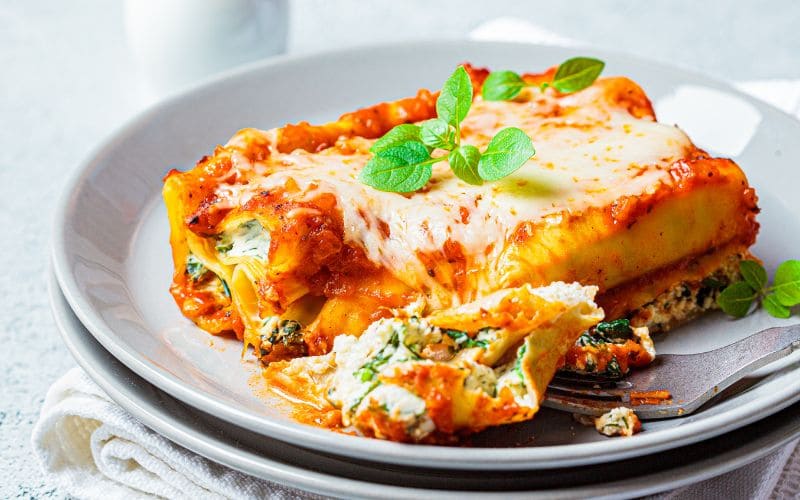
This is the lasagna you pull out when you’re trying to win someone over—especially the ones who still think plant-based means bland. It’s rich, layered, and has all the nostalgia of the classic without a trace of dairy. The tofu ricotta is where the magic starts: pressed tofu blended with lemon juice, garlic, olive oil, and a generous sprinkle of nutritional yeast. It’s tangy, fluffy, and somehow feels indulgent.
Add to that a pan of garlicky sautéed spinach and a few layers of your go-to marinara, and suddenly you’ve got something that tastes like a Sunday dinner but comes with zero food guilt. This one’s a crowd-pleaser—simple, balanced, and way more satisfying than it has any right to be.
💡 Pro tip: Let the tofu drain for at least 20 minutes to avoid watery ricotta. Texture is everything here.
2. Lentil & Vegetable Layered Lasagna
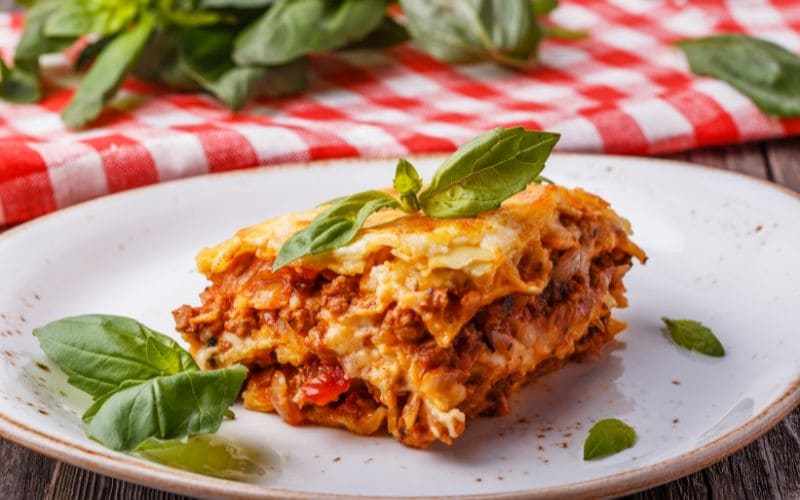
Think rustic farmhouse energy: this one’s hearty, earthy, and big on flavor. Lentils bring the backbone—protein-rich, toothsome, and surprisingly savory when simmered with onions, garlic, and a splash of red wine. Toss in some diced carrots, zucchini, and red peppers, and you’ve got a filling that feels more like a stew than a sauce (in a good way).
The best part? It tastes like it took hours, but it comes together with pantry staples and whatever’s in the crisper drawer. It’s one of those meals that feeds a crowd and feels like it fed your soul too.
| Nutrition Snapshot (per serving) | Amount |
|---|---|
| Protein | 16g |
| Fiber | 12g |
| Iron | High |
| Cholesterol | 0mg |
💡 Pro tip: A splash of balsamic vinegar in your lentil sauce wakes everything up—don’t skip it.
3. Cashew Alfredo & Mushroom Lasagna
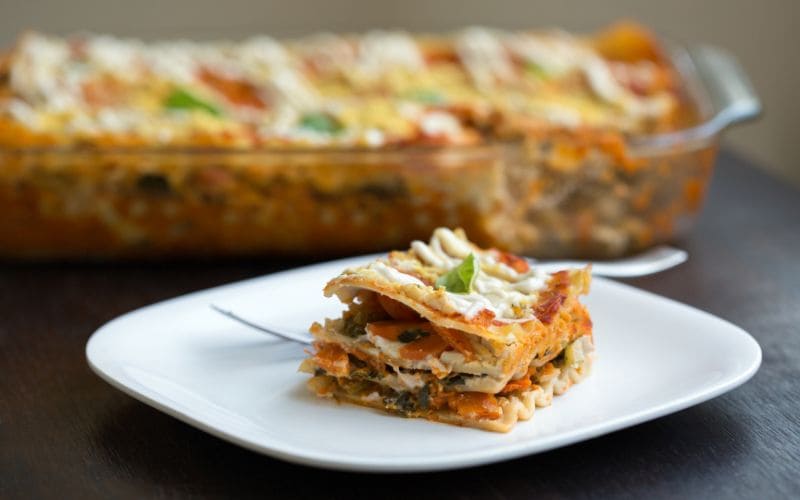
If lasagna could wear a tuxedo, this would be the one. It’s creamy, rich, and leans more “date night” than “Tuesday leftovers.” The Alfredo base starts with soaked cashews, blended until smooth with roasted garlic, lemon, and just a hint of nutmeg. It’s the kind of sauce that coats a spoon like silk.
Layer that with golden mushrooms—shiitake, cremini, or portobello if you’re going all in—and what you get is a white lasagna that’s decadent without being over-the-top. It’s elegant, indulgent, and somehow still feels like comfort food.
💡 Pro tip: Add a spoonful of white miso to your Alfredo. It’s the secret to that deep, aged-cheese flavor.
4. Zucchini Noodle Gluten-Free Lasagna
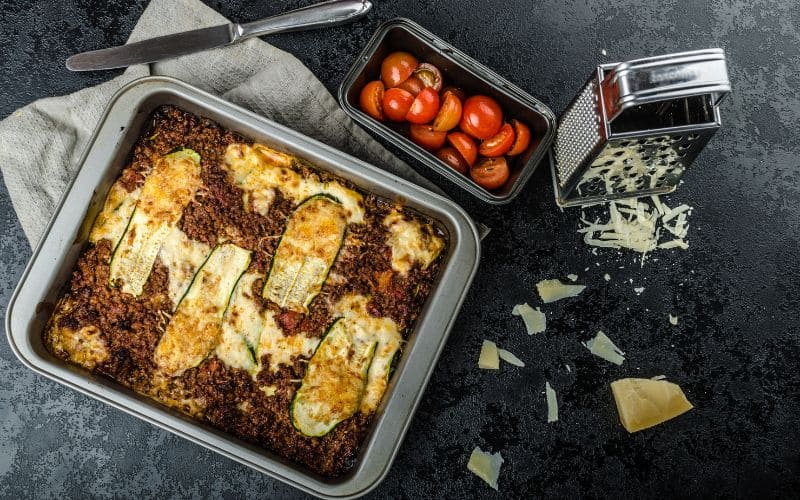
Here’s proof that lasagna doesn’t need pasta to be incredible. Thin ribbons of zucchini replace noodles in this lighter, veggie-forward version. The trick? Salt the zucchini slices first and let them rest—draws out the water so your final bake doesn’t turn into soup.
Once they’re ready, layer with a bold red sauce and your favorite dairy-free cheese or tofu-based filling. The result is fresh, slightly smoky (if you grill the zucchini first), and surprisingly filling for something so clean. It’s the garden-party version of lasagna—and yes, seconds are still expected.
💡 Pro tip: Don’t skip pre-salting and patting the zucchini dry. It’s the difference between “wow” and watery.
5. Butternut Squash & Sage Lasagna

This one’s fall in a baking dish. Roasted butternut squash puréed with garlic, olive oil, and a touch of nutmeg makes the base. Add a little plant milk if you want it silkier. Then comes the sage—just a few leaves, but they transform the whole thing with their woodsy, peppery vibe.
Pair it with wilted spinach or kale for contrast, and some chopped walnuts if you’re feeling fancy. The whole thing tastes like a hug, especially if you eat it under a blanket. Bonus points for crispy edges and leftover slices the next day.
💡 Pro tip: Roast your squash with garlic and onion—blend them in for extra depth and no extra effort.
6. Vegan Pesto Lasagna with Sun-Dried Tomatoes
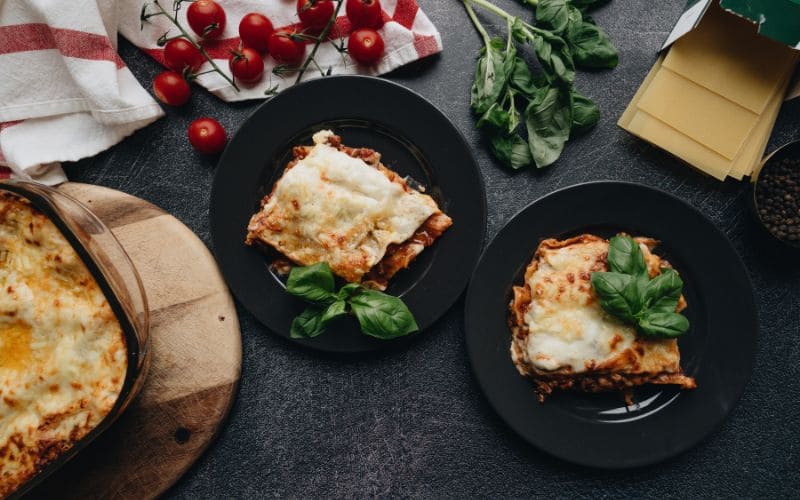
If lasagna had a summer fling, this would be it. Pesto takes the lead—bright, herby, and punchy. You can go classic basil or mix in arugula or spinach for a little bite. Spread it between pasta layers with chopped sun-dried tomatoes, and maybe even a thin layer of almond ricotta.
It’s not heavy. It’s not red-sauced. But it still hits every craving. Tangy, herbaceous, and completely addictive. Serve it warm or let it cool and eat it cold from the fridge. Either way, it slaps.
💡 Pro tip: Add avocado to your pesto for a creamier texture that holds up better when baked.
7. High-Protein Tempeh Bolognese Lasagna
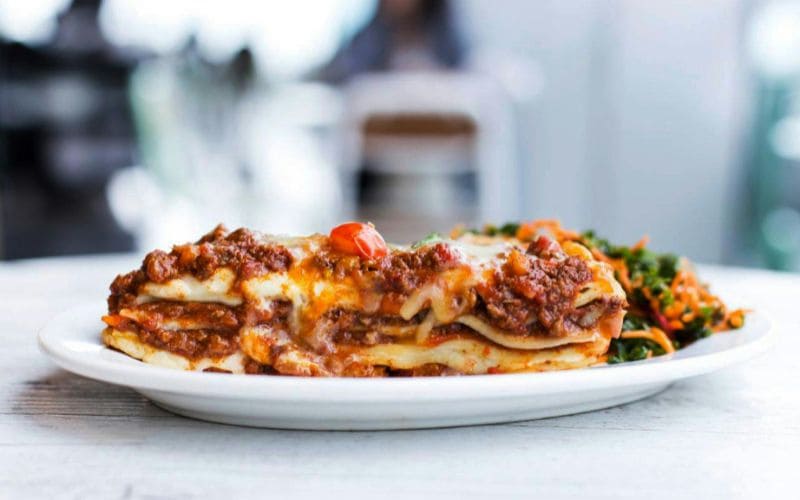
Tempeh gets a bad rap—but not here. Crumbled and browned with garlic, onions, and spices, it becomes the base of a thick, meaty tomato sauce that rivals any traditional Bolognese. Add a splash of soy sauce or tamari for extra umami, and let it cook low and slow until it thickens up.
Stack that sauce between layers of pasta with a bit of vegan cheese or béchamel and you’ve got something serious. Protein-packed, deeply savory, and filling enough to keep even the biggest eaters happy. Leftovers? They might not make it.
💡 Pro tip: Steam tempeh before crumbling—it softens the flavor and helps it soak up sauce like a champ.
Sauce Options That Elevate Vegan Lasagna
Rich Marinara from Scratch
Let’s be honest—good sauce can save a mediocre lasagna, and a bad one can ruin a masterpiece. Marinara is your foundation, and when it’s homemade, it hits different. Start with olive oil, garlic, and diced onions gently sizzling away. Once they’re golden and fragrant, add crushed tomatoes. Let them bubble on low heat while you stir in oregano, basil, maybe a hint of chili and a touch of sweetness. This isn’t a rush job—it’s a slow simmer situation. Let those flavors cozy up.
Short on time? Cheat smart. Grab a decent jar of store-bought marinara and jazz it up. Sauté fresh garlic, toss in a few chili flakes, and swirl in a splash of balsamic. Suddenly, it tastes like you’ve been stirring it for hours.
Nut-Based Béchamel or Alfredo
Sometimes red sauce doesn’t cut it—and that’s where creamy comes in. Cashews (or sunflower seeds if you’re nut-free) become velvety magic when soaked and blitzed with garlic, lemon juice, mustard, and nutritional yeast. Add white miso for that aged cheesy depth, or stir in golden, slow-cooked onions for sweetness and richness that lingers.
This isn’t your typical cream sauce. It’s thick, luscious, and totally dairy-free—but no one’s guessing that once it hits their tongue.
Creative Alternatives
Not in the mood for the usual? Try butternut squash purée blended with almond milk and nutmeg for a fall-inspired vibe. Or mix tahini and tomato paste for something bold, creamy, and unexpectedly addictive. Roasted red pepper purée with a hit of smoked paprika? That’s flavor fireworks right there.
💡 Pro tip: Always taste your sauce before layering—it should be so good you’d eat it with a spoon.
Choosing the Right Pasta Layers
Traditional vs. Oven-Ready Sheets
If you’ve ever had lasagna that was dry around the edges or weirdly mushy in the middle, blame the pasta. Oven-ready sheets are convenient, sure—but they need generous sauce to cook evenly. If you’ve got the time, pre-boiling your noodles gives you more control over texture. Want that perfect al dente bite in every layer? Go old-school and cook the pasta yourself.
Gluten-Free and Grain-Free
Whether you’re celiac, sensitive, or just experimenting, these options hold their own:
- Brown rice pasta: Mild, sturdy, and doesn’t turn to mush.
- Chickpea sheets: High-protein and nutty, with a nice chew.
- Lentil-based noodles: Earthier flavor, adds great texture.
Veggie-Based Layers
Pasta? Optional. Zucchini, eggplant, or sweet potato can step in beautifully. Just be sure to salt them and let them rest—or roast them to concentrate the flavor and remove water. A few charred edges? That’s bonus flavor, not a flaw.
💡 Pro tip: Mix layers—try traditional pasta on the bottom, roasted zucchini in the middle, and finish with sweet potato for a next-level texture combo.
How to Assemble the Perfect Vegan Lasagna
Layering Basics
Start with a little sauce on the bottom of your pan—non-negotiable. Then layer in pasta, your filling of choice, more sauce, and repeat. You’re building a structure here, so balance is key. Too much filling? It slides. Not enough sauce? It dries out. Trust your instincts, and don’t overthink it.
Top it off with more sauce and a creamy layer or shredded plant-based cheese. That top coat protects your masterpiece and gives you that coveted golden top.
Avoiding Common Mistakes
- Don’t stack too high—you’re feeding people, not building lasagna Jenga.
- Let it rest after baking. Ten minutes minimum. Seriously.
- Want a browned top? Uncover for the last 10 minutes and crank the heat slightly.
💡 Pro tip: Ceramic and metal pans cook more evenly than glass. No weird hot spots, no soggy middles.
Meal Prep, Freezing, and Reheating Tips
Making Ahead
Lasagna is basically designed for prepping ahead. Assemble the whole thing, wrap it up, and stash it in the fridge for up to 3 days. If anything, it gets better—flavors blend, layers firm up, and your future self will thank you.
Freezer-Friendly Prep
Unbaked lasagna freezes like a champ. Wrap it tight in foil or freezer paper. To cook from frozen, bake at 350°F (175°C) and add 15–20 extra minutes. Or thaw overnight and bake like usual. Either way, you’re winning dinner.
Reheating Without Drying Out
Single slice? Splash of sauce or oat milk, covered with a damp paper towel, microwave it gently. Whole pan? Add moisture, cover with foil, and reheat in the oven at a low temp. No dry edges, no rubbery layers.
💡 Pro tip: Leftover lasagna holds its shape better—and honestly, it might taste even better on day two.
What to Serve with Vegan Lasagna
Fresh Side Dishes
- Lemony arugula salad with toasted seeds
- Shaved fennel and citrus slaw
- Steamed green beans or blistered broccolini
Comfort Food Sides
- Vegan garlic bread with herbs and olive oil
- Toasted focaccia with sea salt and rosemary
- Buttery polenta or mashed cauliflower
Drink Pairings
- Chianti, Syrah, or a bold vegan red blend
- Sparkling water with lemon, mint, or basil
- Light white wine or a crisp kombucha
💡 Pro tip: Let the lasagna shine. Choose sides that refresh the palate, not compete for the spotlight.