

Introduction: Why Vegan Carrot Cake Is Everyone’s Favorite Twist
Let’s be honest—there’s something oddly comforting about carrot cake. Maybe it’s the hint of cinnamon wafting through the kitchen. Or the fact that you can tell yourself you’re eating vegetables (and sort of mean it). But the magic really happens when you realize that this cozy classic doesn’t need eggs or dairy to be outrageously delicious.
Vegan carrot cake isn’t some watered-down version of the original—it’s the glow-up. It’s sweet without being cloying, rich without being heavy, and moist in a way that makes you question why anyone ever used eggs in the first place. With a few thoughtful swaps, like flaxseed for eggs and coconut oil for butter, you get a cake that tastes indulgent but fits right into a plant-based kitchen.
And there’s more to love. This cake isn’t just friendly to your diet—it’s kind to the planet too. More people are embracing vegan baking for ethical and environmental reasons, but let’s be real: taste still matters. A lot. This cake hits the mark every single time.
In this guide, I’m not just walking you through the basics. We’re diving deep—into the heart of the crumb, the secret to that perfect dairy-free frosting, how to troubleshoot a dry bake, and what to do when you want to get creative (think gluten-free, oil-free, or cupcake-style). It’s all here, no fluff.
Whether you’ve never baked a vegan dessert in your life or you’re the kind of person who owns three kinds of nut milk, this cake belongs in your recipe rotation. Let’s bake something unforgettable.
💡 Pro tip: Carrot cake is one of the easiest recipes to veganize—thanks to the carrots, fruit, and spice doing most of the heavy lifting already.
The Basics of a Great Vegan Carrot Cake
What Makes It Different from the Classic?
Here’s the truth: a great vegan carrot cake doesn’t feel like a substitute. It just feels like great cake. Sure, the traditional version leans on eggs and dairy for structure and richness—but you’d be amazed how seamlessly you can swap those out. And better yet? You don’t need to sacrifice the flavor or that irresistible moist texture.
Instead of eggs, we bring in binders like flaxseed or chia gel. Plant-based milk steps in for dairy. Oils or nut butters replace butter to add depth and tenderness. And those carrots? They do half the work for us. Their natural moisture and sweetness make them the unsung heroes of the batter.
This cake isn’t just a creative workaround—it’s a smart upgrade. You’re loading it with grated veggies, fiber, healthy fats, and natural sweeteners, all wrapped up in layers of warming spice. It’s the kind of dessert you make for a birthday, but feel okay eating for breakfast. (No judgment.)
💡 Pro tip: Vegan carrot cake often stays fresher longer than the traditional version—thanks to moisture-retaining ingredients like applesauce, banana, or even crushed pineapple.
Why It’s One of the Easiest Vegan Cakes to Master
If you’ve ever tried vegan baking and ended up with something that resembled a brick more than a cake, this one’s for you. Carrot cake is forgiving—like, really forgiving. Even if your flax egg is a little runny or you dump in an extra handful of walnuts, odds are it’s still going to come out tasting amazing.
That’s because carrots are naturally full of water and structure. They keep the crumb moist without needing eggs. Spices like cinnamon and nutmeg do double duty: they flavor the cake and hide imperfections. And because it’s not a super airy sponge cake, you don’t have to tiptoe around the batter with the precision of a pastry chef.
In fact, one of the things bakers love most about carrot cake is how flexible the recipe is. You can make it gluten-free. Nut-free. Oil-free. Cupcake it. Loaf it. Frost it with cream cheese or go raw with a date-cashew blend. It’s a choose-your-own-adventure that rarely leads to disaster.
Still not convinced? Here’s why it’s one of the best cakes to have in your back pocket:
- Moisture-friendly: Carrots, applesauce, and oils lock in softness that lasts for days.
- Beginner-proof: No complicated steps, no stand mixer required. Just bowls, a whisk, and a pan.
- Endlessly customizable: Works well with different flours, sweeteners, or added fruits and nuts.
If you’re just dipping your toes into the world of plant-based baking, this recipe is the equivalent of starting on “easy mode”—but still getting bakery-level results.
💡 Pro tip: Don’t stress if your batter looks a little thick or rustic—it’s part of the charm. Carrot cake doesn’t need to be pretty before it bakes. It just needs to be spiced right and not overmixed.
Essential Ingredients and Their Plant-Based Functions
Carrots: The Star of the Cake
Let’s not kid ourselves—this cake would be nothing without its namesake veggie. Carrots aren’t just in the title to make you feel better about dessert. They do serious work. They bring in sweetness, vibrant color, and most importantly, that beautifully moist texture that keeps you coming back for a second slice… or third.
But not all carrots are created equal when it comes to baking. Fresh, firm ones you grate yourself? That’s gold. They’re juicy, bright, and give your cake life. Pre-shredded ones from the store might look convenient, but they’re usually dry and lifeless, and can throw off your batter balance faster than you’d think.
And the way you prep them? That matters too. Coarsely grated carrots give you chewy strands and more rustic vibes, while finely grated ones melt into the cake and make every bite smooth and cohesive. Some bakers even go a step further and purée a portion to dial up the moisture—especially if you’re skipping oil.
- Recommended amount: 2 to 2½ cups of freshly grated carrot is your sweet spot for a standard 9-inch cake.
- Do not squeeze them dry: That natural juice is precious—it’s what keeps your cake soft and luscious.
- Go organic if you can: The taste is brighter, and you’ll avoid any funky preservatives.
💡 Pro tip: Grate your carrots just before folding them in—they’ll release more natural sweetness and stay beautifully tender inside the bake.
Plant-Based Binders
When you’re baking without eggs, finding the right binder can feel like solving a mystery. Luckily, vegan baking has cracked the code. Flaxseed and chia seeds are the go-to binders here—not because they’re trendy, but because they actually work. Mix them with water and magic happens. They thicken into a gel that mimics the hold and structure of an egg, giving your cake the lift it needs without breaking the plant-based rules.
If you’re aiming for a softer crumb or want to add a bit of fruity personality, mashed bananas or unsweetened applesauce are solid choices. They not only bind the ingredients but also bring extra moisture and flavor. Vegan yogurt? Creamy, tangy, and perfect when you want a subtler texture and an extra layer of depth.
| Binder | Best For | Ratio |
|---|---|---|
| Flaxseed | Traditional flavor | 1 tbsp flax + 3 tbsp water = 1 egg |
| Chia seed | Hearty texture | 1 tbsp chia + 3 tbsp water = 1 egg |
| Applesauce | Moist, light crumb | ¼ cup = 1 egg |
| Banana (mashed) | Fruity flavor | ¼ cup = 1 egg |
💡 Pro tip: Use flaxseed for classic structure and banana when you want your cake to lean a little sweeter and softer.
Vegan Moisture Sources
Without eggs and butter, a cake’s moisture has to come from smarter sources—and luckily, vegan baking has plenty. Coconut oil adds richness with a subtle aroma, while almond or cashew butter gives a nutty undertone and satisfying density. For those going oil-free, fruit purées like applesauce or pumpkin are not just substitutions—they’re upgrades.
Just keep balance in mind. Too much oil can make your cake greasy, and not enough will dry it out. A typical guide is half a cup of oil per 2 cups of flour. For oil-free bakes, add a little extra spice or citrus to help compensate for the richness you’re skipping.
- Coconut oil: Adds rich flavor and tender texture
- Almond butter: Perfect for a creamy, nutty vibe
- Pumpkin purée: Amazing for fall and oil-free baking
💡 Pro tip: Try half applesauce and half oil for the best of both worlds—moisture without excess heaviness.
Sweeteners and Flavor Enhancers
A carrot cake without sweetness and spice is basically a confused salad. But here’s where you can elevate it beyond just sugar. Coconut sugar brings a deep, caramel flavor that adds richness and dimension. Maple syrup? Smooth, silky, and keeps everything moist. And when you combine the two? Game changer.
Now onto the spice rack—don’t just stop at cinnamon. Nutmeg, ginger, clove, even cardamom bring a cozy complexity. You don’t need a lot—just enough to layer warmth without making it taste like a candle. Vanilla is non-negotiable. And if you want to give it a citrusy kick, orange zest is your secret weapon.
- Coconut sugar: Dark, rich, molasses-like sweetness
- Maple syrup: Smooth, natural sweetness and added moisture
- Spices: Cinnamon, nutmeg, ginger, clove, cardamom
- Boosters: Vanilla extract and a touch of orange zest
💡 Pro tip: Mix at least two sweeteners to build depth and avoid a one-note cake.
Mastering Texture: Moist, Fluffy, and Never Gummy
How to Avoid Common Baking Pitfalls
Let’s face it—no one wants gummy carrot cake. Or dry carrot cake. Or weirdly dense, rubbery carrot cake. The good news? Avoiding these disasters is pretty simple. First, don’t wing your measurements. Baking is chemistry, and too much flour or too little liquid can throw the whole thing off.
Overmixing is another silent saboteur. It develops gluten and turns your cake into bread. Stir until things are just combined and stop there. And timing matters—get your batter in the oven right after adding leaveners like baking soda and vinegar. That bubbling reaction? It’s your rise. Don’t let it deflate on the counter.
- Don’t overmix: Stir just enough to combine wet and dry
- Balance is key: Batter should be thick but pourable
- Fresh leaveners: Check your baking soda expiry—old stuff won’t rise
💡 Pro tip: Add baking soda and vinegar last, then bake immediately while your batter’s still bubbly and active.
Grating Techniques for Perfect Carrot Texture
Let’s zoom in on the star again: carrots. How you grate them really changes the game. Finely grated carrots melt into the batter, giving you a soft, uniform crumb. Coarsely grated ones stand out more and add bite—more texture, more chew. There’s no right or wrong here—it’s about what you’re going for.
That said, skip the pre-shredded carrots. They’re dry and sad and don’t belong in your masterpiece. And avoid food processors unless you’re pulsing with control. Over-processing turns your carrots into soup, and no one wants that.
- Fine grate: Ideal for delicate, moist texture
- Coarse grate: Adds rustic chew and visible carrot strands
- No squeezing: Keep their natural juice—it’s cake gold
💡 Pro tip: Grate fresh and add straight to the batter—your cake will thank you in flavor and texture.
Frosting for Vegan Carrot Cake: Two Decadent Options
Classic Vegan Cream Cheese Frosting
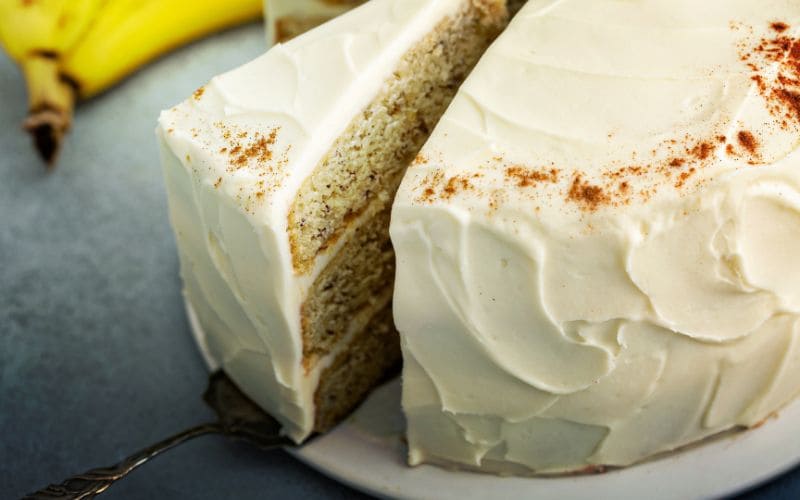
This is the frosting you dream about: rich, tangy, creamy, and absolutely spoon-licking good. Vegan versions made from cashew, almond, or coconut-based cream cheese can be whipped up just like the dairy stuff—only better because you actually know what’s in it.
If you’re going the store-bought route, brands like Kite Hill or Miyoko’s are favorites. Want to make it from scratch? Soak some cashews and blend with lemon juice, apple cider vinegar, maple syrup, and a splash of vanilla. That combo gives you all the tang and silk without the heaviness.
- Best brands: Kite Hill, Tofutti, Miyoko’s Creamery
- DIY version: Cashews + lemon juice + maple + ACV + vanilla
- Use powdered sugar: It creates a fluffy, bakery-style texture
💡 Pro tip: Add a spoonful of coconut cream to level up your frosting’s richness and pipeability.
Cashew-Based Frosting Alternative
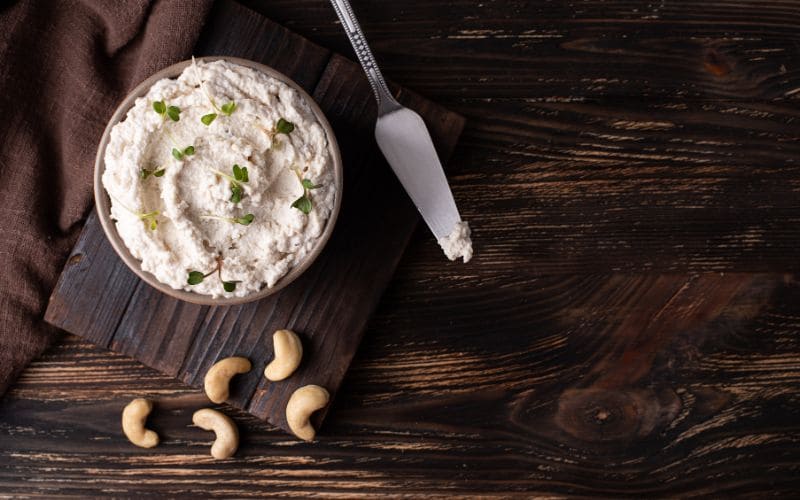
Need something less processed but still luxurious? Cashew frosting is your best friend. Soak raw cashews, blend them with maple syrup, vanilla, plant milk, and a splash of lemon juice. It’s creamy, smooth, and makes your cake look like a gourmet café creation.
If you want it to hold better, chill it or add a small spoon of coconut oil. This frosting doesn’t just look pretty—it doubles as a dip or spread, too. And yes, you will want to eat it by the spoonful.
- Main ingredients: Cashews, maple syrup, vanilla, lemon juice
- Optional thickeners: Coconut oil or agar for structure
- Natural sweetness: Try soaked dates instead of syrup for whole-food flair
💡 Pro tip: A pinch of salt and a hint of cinnamon in your cashew frosting creates magic on carrot cake.
Vegan Carrot Cake Recipe: Step-by-Step Guide
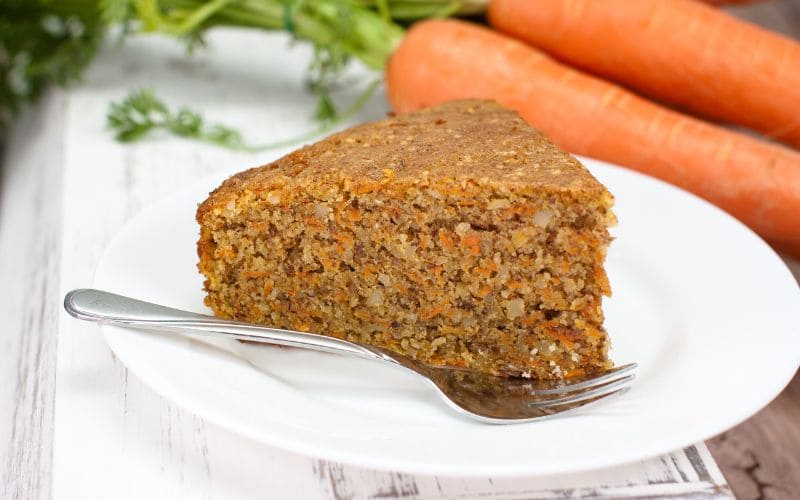
Ingredients List
This is your blueprint for a soft, rich, flavor-packed vegan carrot cake. These amounts are perfect for a two-layer 9-inch cake. And yes—you can swap where needed without breaking the magic.
- 2½ cups freshly grated carrots
- 1¾ cups all-purpose flour (or gluten-free 1:1 baking flour)
- 1 tsp baking soda
- ½ tsp baking powder
- ½ tsp sea salt
- 1½ tsp ground cinnamon
- ½ tsp nutmeg (optional)
- 1 cup coconut sugar (or brown sugar)
- ½ cup melted coconut oil (or any neutral oil)
- ½ cup unsweetened applesauce (or mashed banana)
- 2 flax eggs (2 tbsp flaxseed meal + 6 tbsp water)
- 1 tsp vanilla extract
- ½ cup crushed pineapple (drained, optional)
- ½ cup chopped walnuts or pecans (optional)
- ¼ cup shredded coconut (optional)
💡 Pro tip: Stir a tablespoon of almond butter into the wet mix for a nutty richness that takes the flavor up a notch.
Baking Instructions
Here’s the step-by-step breakdown. It’s as easy as mix, pour, and bake—no stress required.
- Preheat the oven: Set to 350°F (175°C). Line two 9-inch round cake pans with parchment and grease the sides.
- Make the flax eggs: Stir flaxseed and water together, then let sit for 10 minutes to gel.
- Mix dry ingredients: In one bowl, whisk together flour, baking soda, baking powder, salt, cinnamon, and nutmeg.
- Mix wet ingredients: In another bowl, combine oil, applesauce, coconut sugar, vanilla, and flax eggs.
- Combine: Fold the dry ingredients into the wet mixture until just combined.
- Fold in extras: Stir in grated carrots, pineapple, nuts, and coconut (if using).
- Divide and bake: Pour batter evenly into the two pans. Bake 30–35 minutes or until a toothpick comes out clean.
- Cool down: Let cakes cool in pans for 10 minutes, then transfer to a wire rack to cool completely before frosting.
💡 Pro tip: Never frost a warm cake. It’ll melt your frosting into a sad, slippery mess.
Assembly and Frosting Tips
This is where your cake goes from great to “wow.” Place the first layer on your cake stand. Spread frosting all the way to the edges. Add the second layer and repeat, then cover the sides.
- Trim the tops: Level off domed layers for clean stacking.
- Use a turntable: Makes smoothing frosting a breeze.
- Chill between coats: A 15-minute chill firms everything up before a final pass.
Garnish with chopped nuts, toasted coconut, or grated carrot. A light dusting of cinnamon adds a bakery-style finish.
💡 Pro tip: Pipe a frosting ring around the top edge and sprinkle chopped pecans inside for bakery vibes.
Fun Variations to Try
Gluten-Free Vegan Carrot Cake
- Flour swaps: Almond, oat, or gluten-free 1:1 blends
- Binder boost: Add psyllium husk or flax egg for structure
- Extra moisture: Add a splash of plant milk if too thick
💡 Pro tip: Let the batter rest 10–15 minutes so gluten-free flours can absorb moisture properly.
Oil-Free Version for a Healthier Take
- Swap oils for: Applesauce, banana, or pumpkin purée
- Adjust bake time: Add 5–10 minutes if cake is dense
- Flavor booster: Add orange juice for brightness
💡 Pro tip: Blend half banana and half applesauce for a light, sweet combo.
Raw Vegan Carrot Cake
- Base: Carrots, dates, walnuts, coconut
- Frosting: Cashew cream or coconut-date blend
- Chill time: 2–4 hours in the fridge
💡 Pro tip: Add lemon zest or ginger to brighten raw versions.
Vegan Carrot Cake Cupcakes
- Use liners: Easy to serve, easy to clean
- Fill ¾ full: Prevents overflow, perfect domes
- Top with: Cream cheese or cashew frosting + nuts
💡 Pro tip: Hide a frosting surprise inside by piping into the center!
Spiced Carrot Cake Loaf
- Pan size: 9×5-inch loaf
- Bake time: 45–55 minutes
- Toppings: Maple glaze, cinnamon sugar, or chopped nuts
💡 Pro tip: Serve warm with a pat of dairy-free butter and cinnamon for breakfast-worthy bliss.
How to Store, Freeze, and Serve Vegan Carrot Cake
Storing for Freshness
- Room temp (unfrosted): 1–2 days in airtight wrap
- Refrigerated (frosted): Up to 5 days
- Cover tightly: Prevents drying and absorbs fridge odors
💡 Pro tip: Slice and store individually for grab-and-go freshness.
Freezing for Later
- Slice and wrap: Use plastic wrap and foil for protection
- Freeze time: Up to 2 months
- Thaw slowly: Fridge overnight, then room temp
💡 Pro tip: Layer parchment between frozen slices to prevent sticking.
Serving Suggestions
- Pair with: Chai, oat latte, or cinnamon tea
- Top with: Coconut cream, pecans, or citrus zest
- For parties: Add candles, drizzle maple, or frost with flair
💡 Pro tip: Microwave a slice for 10 seconds and serve with vegan vanilla ice cream. Heaven.
FAQs About Vegan Carrot Cake
Can I make this without nuts?
Yes—just skip them. Add seeds or oats if you want a little crunch without the allergens.
What’s the best substitute for cream cheese frosting?
Cashew frosting is a winner. Blend soaked cashews with lemon juice, maple syrup, and vanilla.
Can I use pre-shredded carrots?
You technically can, but they’re drier and less sweet. Freshly grated is always better.
Is it okay to skip the spices?
It is—but why would you? If you’re sensitive, stick with cinnamon and vanilla only.
How long does it stay fresh?
Unfrosted: 2 days at room temp. Frosted: 4–5 days in the fridge. Freeze it for up to 2 months.
💡 Pro tip: Let it come to room temperature before serving to unlock full flavor and texture.