

Why Raw Vegan Recipes Are Worth Trying
Okay—let’s not pretend. When most people hear “raw vegan,” they picture something between rabbit food and diet punishment. Cold carrots. Maybe a sad-looking salad. Definitely not comfort food, or anything remotely craveable.
But here’s the thing: raw veganism isn’t about deprivation. It’s about eating food in its most alive, vibrant state. It’s not extreme—it’s just different. And, for many people, it’s transformative.
Let me explain.
A raw vegan diet still skips the usual suspects: meat, dairy, eggs. But then it takes a bold left turn—it doesn’t cook anything above 118°F (that’s around 48°C, for my metric-minded friends). Why? Because heat, lovely as it is, can wreck delicate enzymes and reduce vitamin potency. When you eat raw, you’re choosing food that’s as close to nature as it gets—unchanged, unprocessed, and still buzzing with nutrients your body knows exactly how to use.
Think of it this way: you’re not just eating a cucumber. You’re eating all the vitamin C, hydration, fiber, and living enzymes that got stripped out of your last store-bought snack bar. And your body? It knows the difference.
Is it a magic cure-all? No. But it is one of those small lifestyle shifts that can yield surprising returns—better digestion, clearer skin, sharper energy. Not overnight, but often quicker than you’d think.
And look, it’s not about being perfect. You don’t have to toss your frying pan and live on green juice. But dipping your toe into the raw vegan world? It’s worth it. If only to see how good real food can taste when you stop cooking the life out of it.
Pro tip: Raw doesn’t mean flavourless—imagine creamy cashew sauces, crunchy walnut tacos, and mango so ripe it drips down your chin. That’s raw done right.
What Makes Raw Vegan Different?
Let’s clear something up—this isn’t just “vegan but colder.” Raw veganism has its own heartbeat, its own rhythm. It’s less about what you don’t eat and more about how you treat your food.
You’re not just cutting out animal products here—you’re unplugging the oven, ignoring the microwave, and letting your ingredients stay exactly as nature made them. No heavy oils. No searing. No boiling the life out of your broccoli. Instead, it’s about colour, crunch, and chemistry that hasn’t been messed with.
In a raw kitchen, your blender is the real MVP. That and your chopping board. And maybe your fingers, because sometimes it’s just easier to eat with your hands. (No shame here.)
This way of eating is about trusting your body to thrive on what’s fresh and whole—things like:
-
Unprocessed fruits and veggies that haven’t been steamed into mush.
-
Nuts and seeds that bring texture, protein, and healthy fats—especially once you soak or sprout them.
-
Natural sweeteners, like dates or coconut sugar, that don’t hijack your blood sugar.
There’s a learning curve, sure. Your first attempt at zucchini noodles might look… awkward. But by your second or third recipe, you’ll be surprised how good raw food can feel—and taste.
Raw veganism isn’t stricter than regular vegan eating. It’s just… quieter. It listens to what your body actually wants, rather than what the cookbook says it “should” want.
Pro tip: The fewer ingredients on your plate, the more you’ll notice how each one actually tastes. Spoiler: it’s usually better than expected.
Benefits of Raw Living Foods
Now, I know what you’re thinking. Okay, but what does eating raw actually do for me? Fair question.
Let’s talk about that shift—when people go raw, even partially, they often start to feel… lighter. Not in the woo-woo “raise your vibration” sense (though hey, if that’s your thing, go for it). I mean literally—less bloated, less sluggish, more awake.
Here’s why:
-
More Nutrients, Less Damage
Heating can destroy up to 50% of some vitamins (like C and B). Raw foods, untouched by heat, keep their nutritional muscle. Your body gets the full benefit. -
Natural Enzymes for Digestion
Raw fruits and veggies come with their own built-in digestive tools. It’s like getting a meal that also comes with the instructions for how your stomach should handle it. -
Clean, Steady Energy
No food comas. No 3 PM crashes. Just clean fuel that keeps you sharp—and yes, even emotionally more stable (some say). -
Less Processed Junk
No additives. No weird stabilisers. No “natural flavouring” that’s secretly made in a lab. You know exactly what you’re eating, every single time.
Sure, not everyone is going to get glowing skin and perfect digestion on Day 1. But give it a few weeks. You might just start to feel like your body is finally working with you—not against.
Pro tip: Don’t expect magic—expect momentum. The more you eat raw, the more your body will ask for it.
What to Know Before Making Raw Plant-Based Meals
Let’s be real. You could scroll straight down to the recipes (no judgement), but if you’ve never done raw cooking—er, uncooking—before, it’s worth pausing here.
There’s a rhythm to raw prep that’s different from traditional cooking. It’s not harder, but it does ask for a little more planning, a bit more awareness, and a lot more tasting along the way. You’re not hiding behind sauces or high heat here. You’re present.
Your Go-To Pantry and Tool Kit
First things first: you don’t need a fancy dehydrator or high-end juicer to get started. You just need the basics—and a bit of curiosity.
| Category | Examples |
|---|---|
| Fresh Produce | Kale, cucumber, bananas, berries, herbs, tomatoes |
| Nuts & Seeds | Cashews, almonds, flax, sunflower seeds, chia |
| Superfoods & Powders | Maca, cacao, spirulina, hemp protein, matcha |
| Natural Sweeteners | Medjool dates, raw agave, coconut sugar |
Don’t worry if you can’t afford every single item right away. Raw eating can be budget-friendly, especially when you focus on seasonal fruit and veg. Start small, rotate ingredients, and experiment.
Raw Prep Tips (From Someone Who’s Learned the Hard Way)
-
Soak Nuts and Seeds
Not only does this make them softer—it also helps remove anti-nutrients and unlocks better digestion. Plus, they blend smoother into sauces and creams. Trust me, your blender will thank you. -
Sprouting is Your Friend
Sprouting lentils or mung beans might sound intimidating, but it’s basically: rinse, drain, repeat. Within days you’ll have fresh, crunchy sprouts full of life and protein. -
Blenders Beat Burners
A half-decent blender can do more than you think: nut milks, dressings, creamy desserts… it’s your best kitchen sidekick. -
Dehydrators? Optional
Unless you’re going full raw chef mode, don’t worry about getting one yet. They’re useful for crackers and chewy snacks, but not essential.
Pro tip: Soak a batch of almonds overnight, toss them in the blender with water, strain, and boom—homemade almond milk with zero weird preservatives.
1. Chia Pudding with Berries and Almond Milk
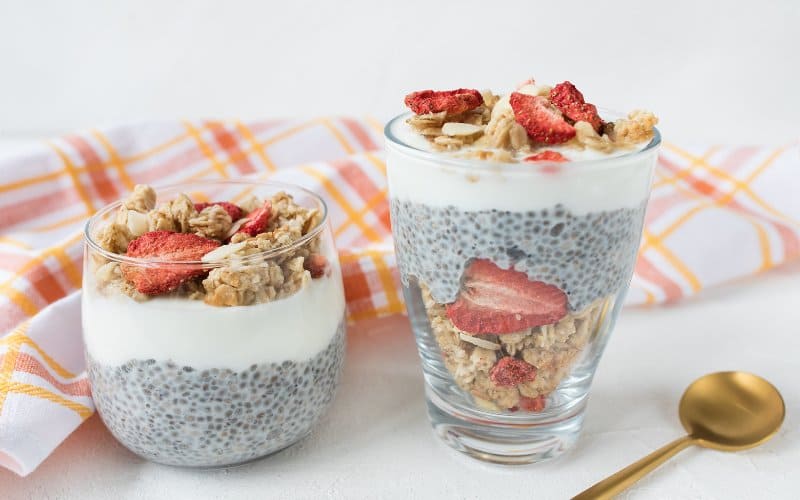
Let’s be real—chia pudding didn’t exactly start its life as a comfort food. For a while, it felt like one of those things you only ate to feel smug about your health choices. But here’s the thing: once you figure it out, it’s weirdly… addictive?
It’s cold, creamy, and sort of magical in the way it transforms from gritty birdseed to velvety pudding. And when you get the texture right (because yes, there is a wrong way), it becomes this soft, satisfying jar of joy you’ll actually look forward to in the morning.
I’ve messed this up a few times. Either it turns out too runny, or you forget to stir and get a weird clump at the bottom that looks like frogspawn. But once you nail it, it’s your new breakfast bestie. Promise.
What You’ll Need (Nothing fancy)
-
3 tbsp chia seeds – Black or white, doesn’t matter. Just fresh. Old chia smells like cardboard.
-
1 cup almond milk – Store-bought if you’re in a rush, homemade if you’re feeling zen.
-
1 tsp vanilla extract – Skip it if you must, but it adds a lovely cozy note.
-
1 tsp maple syrup or date syrup – Sweet, natural, and doesn’t punch your pancreas.
-
A handful of fresh berries – Blueberries, strawberries, raspberries, whatever you’ve got.
What to Do (aka the “Don’t Skip the Stir” method)
-
Grab a clean jar, mug, or even an old jam container if that’s what’s clean.
-
Pour in the almond milk, syrup, and vanilla. Stir it like you mean it.
-
Add the chia seeds, then stir again. And then? Walk away.
-
Wait 15 minutes. Come back. Stir again. This step matters. It’s the difference between creamy pudding and weird clumpy gel.
-
Pop it in the fridge for at least 2 hours—or overnight if you’re prepping for tomorrow-you.
-
In the morning, top with berries. Eat with a spoon that makes you happy.
This isn’t a flashy recipe. It’s a quiet one. The kind of food that waits patiently for you in the fridge and doesn’t judge if you hit snooze three times.
It’s a small ritual. Stir. Wait. Chill. Spoon. A little act of care for your future self.
Pro tip: Stir once after 15 minutes like your breakfast depends on it—because it kinda does.
2. Zucchini Noodles with Creamy Avocado Pesto
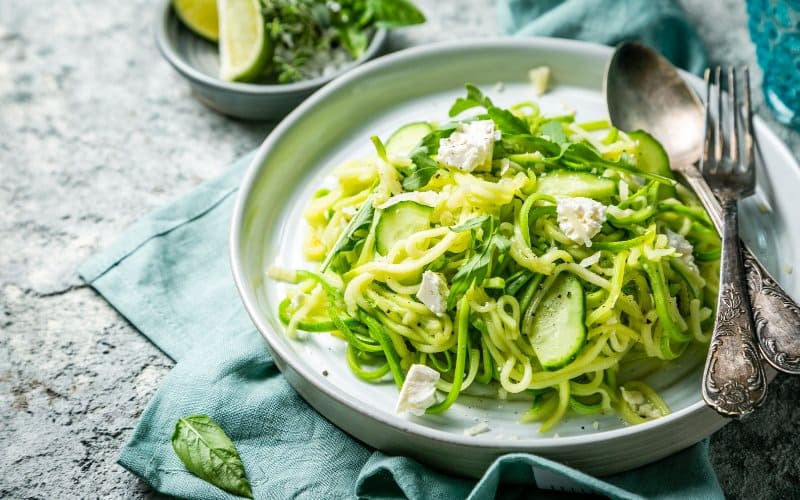
Zoodles. Ugh. I know—terrible name. It sounds like something you’d feed a cartoon frog. But hang in there, because the dish itself? Surprisingly brilliant.
I avoided making this for ages. Partly because I didn’t own a spiralizer, and partly because I wasn’t convinced a raw zucchini could feel like dinner. Turns out, I was wrong on both counts.
This recipe is lush. Genuinely. It hits that creamy-salty-herby sweet spot that you usually only get with a bowl of pasta and a nap afterward. But this one? You eat it and feel like going for a walk after. Or painting. Or reorganizing your spice drawer. Basically, it gives you life, not a food coma.
What You’ll Need (And What You Can Swap)
-
2 medium zucchinis, spiralized — Or shaved thin with a veggie peeler if you’re a rebel.
-
1 ripe avocado — Needs to be soft, not mushy. There’s a difference.
-
1 garlic clove — Don’t go wild. One is plenty unless you’re solo for the night.
-
Juice of 1 lemon — Brightness is everything here.
-
1 tbsp olive oil — Or skip it. The avocado’s got you covered.
-
A generous handful of fresh basil — No, dried won’t work. Don’t even ask.
-
Salt and pepper — To taste, obviously. Trust your tongue.
Here’s How to Make It (And Not Screw It Up)
-
Spiralize your zucchinis and dump them into a big bowl. Don’t salt them yet—unless you enjoy watery sadness.
-
In a blender or food processor, throw in the avocado, garlic, lemon juice, olive oil, basil, salt, and pepper. Blend until it’s smooth and thick—like, spread-on-toast thick.
-
Taste it. No, really. This is where the magic happens. More lemon? More salt? Adjust now.
-
Toss the “noodles” in the sauce gently. No smashing. You’re not making baby food.
-
Serve straight away. Raw food waits for no one.
The result? A bowl of green velvet that makes you feel like you’ve somehow cheated the system. It’s rich and light at the same time—like eating something that’s both indulgent and secretly good for you.
Honestly, this has become one of those last-minute dinners I pull out when I’m tired and cranky but still want to eat like a person who has their life together.
Pro tip: No spiralizer? No problem. Use a veggie peeler for wide ribbons. They feel fancy and somehow make you chew slower.
3. Rainbow Veggie Wraps with Cashew Cream
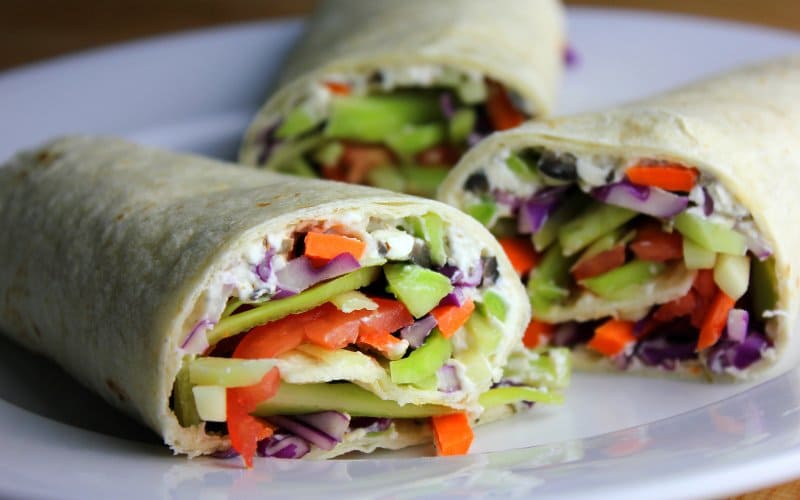
If you’ve ever eaten a salad and thought, This would be so much better if I didn’t need a fork, this one’s for you.
These wraps are messy, crunchy, creamy, ridiculously colourful, and honestly? Kind of joyful to eat. They don’t feel like health food. They feel like summer. Or like that smug glow you get when you actually used up your fridge produce before it turned slimy.
I started making these on lazy weekends when I wanted something light but not boring. Something I could eat with my hands. Something that looked like it belonged in one of those painfully perfect Instagram reels—but didn’t actually require me to own gold cutlery or shoot in natural light.
Here’s What You’ll Need (Don’t overthink it)
For the Wraps:
-
Large collard leaves or romaine hearts — Think big, sturdy, and rollable. Spinach won’t cut it here.
-
Shredded carrots — Or just shave them with a peeler if you’re not feeling the grater.
-
Red bell pepper slices — The juicier, the better. Adds sweetness and crunch.
-
Purple cabbage, shredded — A little goes a long way. Plus, the colour pop is unbeatable.
-
Avocado slices — Soft, not mushy. Think butter that just came to room temp.
For the Cashew Cream:
-
1 cup soaked cashews — Soak for at least 2 hours or overnight if you’re the planning type.
-
½ lemon, juiced — For brightness.
-
1 garlic clove — Because you want flavour, not vampire protection.
-
½ cup water — Adjust as you blend. Thicker is great for drizzling.
-
Salt, to taste — Just a pinch. You can always add more.
Assembly (It’s easier than you think)
-
Blend all the cashew cream ingredients until smooth. It should taste like a mellow, tangy cloud. Add more water if it’s too thick—unless you want to pipe it like frosting (no judgement).
-
Rinse your leaves and pat them dry. No one likes a soggy wrap.
-
Lay the leaf flat. Pile your veggies in the middle like you’re building a burrito—but lighter.
-
Spoon or drizzle on the cashew cream. Don’t hold back. This is the soul of the wrap.
-
Fold, roll, and eat. Immediately. With both hands. Napkins nearby. Maybe a plate too.
These aren’t dainty tea sandwiches. They’re hands-on, bright, chaotic bundles of texture. You’ll get a crunch of cabbage, a creamy smear of avocado, a lemony bite of cashew cream—and suddenly, you won’t miss bread at all.
They’re also oddly satisfying to prep. Lining up all that colour feels like adult arts and crafts. Except you eat the outcome, which is infinitely better than a Pinterest fail.
Pro tip: If your collard leaves feel stiff or tear when you roll them, dip them in warm water for 10 seconds. They soften right up, like magic.
4. Raw Vegan Sushi Rolls
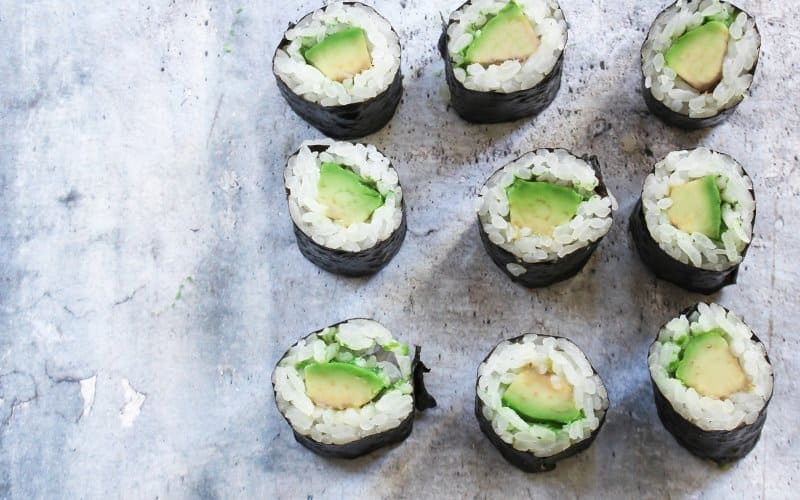
No rice? No fish? No problem. These rolls are the scrappy underdogs of the sushi world—and once you try them, you might start wondering why we ever made sushi so complicated to begin with.
They’re fresh, crunchy, rollable, and deeply satisfying in that “I-made-these-with-my-bare-hands-and-didn’t-set-anything-on-fire” kind of way. The first time I made these, I expected a mess. And to be fair, the first few did look like vegetable burritos gone rogue—but they tasted amazing. That’s what kept me coming back.
Also, rolling these is kind of meditative. There’s something lovely about laying out colours and textures, like edible origami. But with less pressure and more dipping sauce.
What You’ll Need (Zero sushi mat required)
-
Nori sheets — Look for the kind that says “raw” or “untoasted,” if you care about that detail. But any nori works.
-
Cauliflower rice or thinly sliced veggies — Either one adds bulk without cooking anything.
-
Avocado slices — Creamy, soft, and practically made for this.
-
Cucumber sticks — Crisp and juicy. Don’t skip.
-
Carrot ribbons — A veggie peeler makes quick work of this.
-
Tamari or coconut aminos — For dipping. Because sushi without dipping is just… rolled salad.
Let’s Roll (Literally)
-
Lay your nori sheet down on a cutting board, shiny side down. If you’ve got a bamboo mat, cool. If not, your hands work fine.
-
Spread a thin layer of cauliflower rice or just lay down your sliced veggies—whatever you’ve got.
-
Stack your filling: avocado, cucumber, carrots. Don’t overdo it. I know, it’s tempting. But trust me, overstuffed = unrollable.
-
Wet the top edge of the nori with a bit of water (just your fingertip is fine).
-
Roll slowly, tightly, and with love. Think burrito, but more precise. Use both hands. Take a breath.
-
Slice with a very sharp knife. Wipe it between cuts if the avocado’s feeling extra clingy.
And just like that—you made sushi. Without boiling rice, without a fish counter, and without swearing at sticky fingers (okay, maybe just once). These rolls are light and clean but don’t feel like rabbit food. The crunch of the veggies, the smoothness of the avocado, and the salty tang of tamari? It just works.
Eat them with your hands. Lick your fingers. Make another batch.
You earned it.
Pro tip: Want a cheesy twist? Add a swipe of cashew cream inside before rolling. Not traditional—but deliciously rebellious.
5. Raw Tacos with Walnut “Meat” and Guacamole
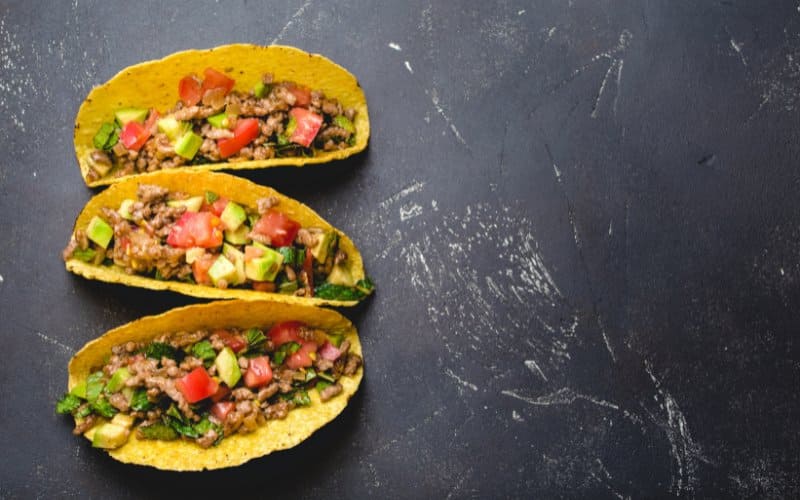
I didn’t think I’d ever say this, but… walnuts make a shockingly good taco filling. Stay with me.
They’re crumbly, hearty, full of texture, and when you blend them with the right spices? They hit that savoury, umami-rich spot you usually expect from something sizzling in a pan. Add a little guac and crunch from romaine leaves, and you’ve got a taco that somehow feels like comfort food even though it’s never seen a stove.
First time I made these, I had zero expectations. And then I blinked and they were gone. That’s your only warning.
What You’ll Need
For the “Shells”:
-
Romaine or collard leaves – Think taco-sized and sturdy. They need to hold all the good stuff.
For the Walnut “Meat”:
-
1 cup walnuts, soaked – Soak for at least an hour if you’ve got time. Otherwise, just pulse more slowly.
-
1 tsp cumin – Warm and grounding.
-
1 tsp paprika – Smoked if you like depth. Sweet if you prefer mellow.
-
Pinch of garlic powder and salt
-
A splash of tamari – Just enough to bring everything together.
For the Guacamole:
-
1 ripe avocado
-
Squeeze of lime
-
Chopped tomato
-
Salt, to taste
Throw It All Together
-
Add all the walnut filling ingredients into a food processor. Pulse until it looks like taco meat—crumbly, but not mush.
-
Scoop a spoonful of walnut filling into each leaf.
-
Top with a generous dollop of guac. Or two. Or whatever.
-
Optional (but encouraged): sprinkle on a bit of chopped red onion or fresh cilantro for flair.
-
Eat immediately—no plates required.
These tacos are light but satisfying. They don’t feel like a compromise. They feel like you hacked the system and made tacos healthy without making them sad.
Pro tip: Want a cheesy twist? Add a swipe of cashew cream inside before rolling. Not traditional—but deliciously rebellious.
6. No-Bake Brownie Bites
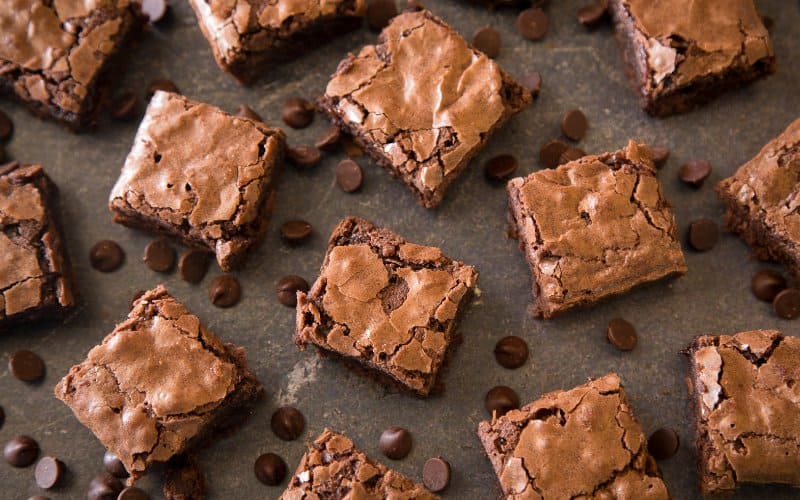
These are pure magic. Fudgey, chewy, rich—but made with things that came from trees instead of factories.
They take less than 10 minutes to make (excluding chill time) and they disappear even faster. I usually make a batch, pop them in the fridge, and then pretend I’ll eat “just one a day.” Ha. Good luck with that.
Ingredients
-
1 cup Medjool dates, pitted – The sticky base. Caramelly and dreamy.
-
½ cup walnuts
-
½ cup almonds
-
¼ cup raw cacao powder
-
Pinch of sea salt
-
Optional: shredded coconut for rolling, or cacao nibs for crunch
How to Make Dessert Without an Oven
-
Toss the nuts in your food processor and pulse until they’re crumbly.
-
Add dates, cacao, and salt. Blend until it forms a thick, sticky dough.
-
Roll into balls. Make them bite-sized or go big—we don’t judge.
-
Roll in coconut if you want extra flair.
-
Chill for 30 minutes, or just eat them now if your self-control has left the building.
They store well, freeze even better, and taste like something way naughtier than they are. Keep a stash in the fridge for snack attacks, post-workout fuel, or that 3PM crash.
Pro tip: Add a drop of peppermint extract for a raw vegan version of Thin Mints. Trust me on this.
7. Mango Coconut Energy Balls
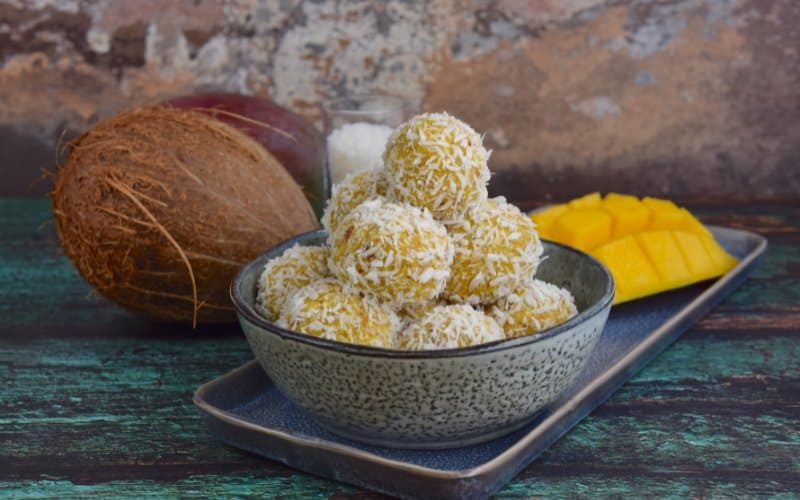
These are little tropical bombs of sunshine.
Chewy, sweet, and wildly addictive, they’re the kind of snack you throw in your bag “just in case” and end up eating before noon. They taste like something from a beach-side café—only you made them in your kitchen with five ingredients.
Ingredients
-
1 cup dried mango, unsweetened – Soak for 10 minutes in warm water to soften.
-
½ cup shredded coconut – The finer the shred, the better.
-
½ cup cashews – For creaminess and body.
-
1 tbsp chia seeds – For texture and staying power.
-
1 tbsp coconut oil – Helps everything hold together.
Make Your Own Tropical Snack Bites
-
After soaking the mango, drain and pat dry a bit.
-
Throw everything into a food processor and blend until you get a sticky dough.
-
Roll into balls. It’s okay if they’re not perfect. This isn’t a baking show.
-
Store in the fridge—or freezer if you like them extra chewy and cold.
These little guys are perfect post-workout, pre-errand, or when you just want something sweet but not sugary. Honestly, I eat them when I want to feel like I’m on holiday but I’m just staring at my laptop.
Pro tip: Freeze a batch and toss them in smoothies for instant tropical flavour bombs.
Mistakes to Avoid When Going Raw
Going raw sounds simple—no cooking, right? But trust me, it comes with its own little learning curve. I made most of these mistakes so you don’t have to.
-
Only eating fruit. Tempting, but you need fats and protein too. Otherwise, you’ll crash harder than your WiFi mid-Zoom call.
-
Skipping the soaking. Unsoaked nuts = digestive drama. Just soak ‘em.
-
Eating the same thing every day. Boredom will get you faster than hunger ever will.
-
Over-sweetening. Dates and syrup add up fast. Your blood sugar’s watching.
-
Forgetting to hydrate. Yes, raw food has water—but you still need to drink water. Coffee doesn’t count.
-
Buying pricey “raw” snacks. Those $7 bars? Usually dates and nuts in a cute wrapper. Make your own and pocket the difference.
Pro tip: Spend 20 minutes on Sunday prepping a few raw basics. It’ll save your weekday sanity.
Final Thoughts
Raw vegan eating isn’t about rules or purity. It’s about reconnecting with food that’s alive, colourful, and satisfying in the way fast food never really is. You don’t need to go all-in. Try one raw meal a day. Or just prep a few snacks to keep in the fridge.
It’s not about being perfect—it’s about being present. Listening to your body. Feeding it something that didn’t come from a packet. And maybe, just maybe, finding joy in the chopping, rolling, blending, and tasting.
Because raw food isn’t cold. It’s vibrant. It’s real. And it’s waiting for you—no apron required.
Pro tip: Don’t overthink it. Just start. One raw recipe, one day, one plate at a time.