

Let’s face it—healthy eating can feel like a maze sometimes. You’re told to eat more plants, then fewer carbs, then suddenly it’s about macros, not morals. It’s a lot. But what if you could strike a balance? What if you could eat in a way that fuels your body, clears your mind, and still lines up with your values?
That’s where low carb vegan eating comes in.
Over the past few years, plant-based eating has gone mainstream. People are swapping burgers for black beans, and oat milk lattes are practically a fashion statement. But there’s a quiet shift happening inside that movement: more people are realizing that eating vegan doesn’t automatically mean eating healthy. A lot of vegan staples—rice, pasta, potatoes, lentils—are carb-heavy. Delicious? Sure. Energizing long term? Not always.
A low carb vegan approach flips that script. It’s all about fiber-rich veggies, creamy avocados, protein from tofu and tempeh, and smart swaps that keep your blood sugar happy. You still eat plants—but not in a way that sends you into a mid-afternoon crash. It’s a lifestyle that suits people chasing clear-headed energy, weight loss, or simply a calmer gut.
In this article, we’ll break it all down. You’ll get the why, the how, and most importantly, the yum—with nine fast, wholesome, low carb vegan recipes you’ll actually want to cook again.
💡 Pro tip: Low carb vegan meals are ideal for busy lives—they give you clean energy without the post-lunch crash.
What Is a Low Carb Vegan Diet?
Understanding Carbs in a Vegan Context
So here’s the deal. When most people hear “vegan,” they picture quinoa bowls, fruit smoothies, and sweet potato everything. And honestly, that’s not far off. Veganism often leans heavily on grains and starches—and while those foods can be nutritious, they’re also pretty carb-dense.
Now imagine shifting that plate. Less rice, more roasted cauliflower. Fewer bananas, more avocado. This is what low carb vegan eating is all about. You’re still sticking to plants, but in a way that prioritizes protein and healthy fats instead of loading up on starch.
In basic terms, “low carb” typically means eating between 50 and 150 grams of carbs per day, depending on your goals. But it’s not just about the total carb count—it’s about net carbs, which factor out the fiber that doesn’t spike your blood sugar.
Here’s the simple formula:
Net Carbs = Total Carbs – Fiber
Let’s take chia seeds as an example. They’re loaded with fiber, so even though they have carbs on paper, the net impact on your blood sugar is small. This is why high-fiber foods are gold in low carb vegan meals.
And here’s the beautiful part: once you get the hang of it, the food is delicious. You’re not just trading carbs for bland tofu and sadness. You’re building meals that are rich, satisfying, and totally energizing.
Instead of defaulting to grains and starches, try this mindset shift:
-
Reach for veggies like zucchini, eggplant, cauliflower, and spinach. These are nutrient-dense and incredibly versatile.
-
Make protein and fat your anchors. Think tofu stir-fries, tempeh tacos, or seitan skewers with tahini drizzle.
-
Use fiber strategically. It doesn’t just help digestion—it actually lowers the glycemic load of meals and keeps you full longer.
💡 Pro tip: Subtract fiber from total carbs to find net carbs—this gives you a more accurate view of impact on blood sugar.
High-Carb Vegan Foods to Avoid or Limit
Here’s where things get a little tricky. A lot of vegan pantry staples are sneaky high in carbs—even the “healthy” ones. If you’re serious about staying low carb, you’ve got to start scanning labels and being honest about what’s on your plate.
Let’s call out a few usual suspects:
Avoid or limit these:
-
Grains: Rice, oats, wheat, quinoa — dense in carbs and easy to overeat
-
Starchy vegetables: Potatoes, sweet potatoes, corn, peas — they taste great but spike blood sugar fast
-
High-sugar fruits: Bananas, mangoes, dates, grapes — they’re basically nature’s candy
-
Natural sweeteners: Maple syrup, agave nectar, coconut sugar — still sugar, just in fancier packaging
Now that sounds like a lot of “no,” but here comes the “yes” list—and it’s just as exciting:
Instead, focus on:
-
Cruciferous vegetables: Cauliflower, broccoli, Brussels sprouts — they’re filling and great for digestion
-
Leafy greens: Spinach, kale, chard — add them to everything
-
Low sugar berries: Raspberries and blackberries — in small portions, they’re sweet and packed with fiber
You’re not depriving yourself—you’re upgrading your plate. Once you stop relying on starch as a crutch, your meals start to feel fresher and more flavorful.
💡 Pro tip: Swap potatoes for cauliflower mash to cut carbs without losing comfort food vibes.
Balancing Nutrients in a Low Carb Vegan Diet
Let’s be honest—cutting carbs on a vegan diet sounds like a recipe for nutritional chaos, right? It doesn’t have to be. You can absolutely thrive on a low carb vegan lifestyle—you just need to know where your fuel is coming from. It’s not about deprivation. It’s about rebalancing.
When you lower carbs, your body turns to protein and fat for energy. But unlike a standard keto diet, you’re not leaning on eggs, cheese, or meat. So where do you get your nutrients from? Plants, of course—just the right ones.
Let’s break it down into what really matters: protein, fat, and the vitamins and minerals that often get overlooked.
Getting Enough Protein Without the Carbs
Yes, it’s totally possible to hit your protein goals without tofu in every meal (though we do love a crispy tofu cube).
Protein is your foundation. It fuels muscle repair, supports metabolism, and helps you stay full for longer. The key is choosing options that are high in protein, low in carbs, and preferably not processed to death.
Some of your best friends on this journey:
-
Tofu and tempeh: Soy-based and super versatile—grill it, scramble it, bake it.
-
Seitan: Wheat protein with nearly zero carbs. Meaty texture, tons of uses.
-
Pea protein: Great for shakes, baking, or boosting a soup or stew.
-
Hemp seeds, chia seeds, flaxseeds: Bonus—these also give you fiber and omega-3s.
But protein isn’t just about one ingredient. It’s also about how you combine foods.
Try pairings like:
-
Tempeh tossed with kale and sesame dressing
-
Hemp hearts sprinkled over roasted veggies
-
Flax crackers with almond butter or guac
These combos give you a more complete amino acid profile—and a more exciting plate.
💡 Pro tip: Sprinkle hemp hearts over salads or soups for a quick protein and fat boost.
Fats for Fuel and Satiety
If protein is your foundation, fat is the fire that keeps things burning smoothly. And no, fat won’t make you fat—not when it comes from real food and is eaten mindfully.
Healthy fats help balance hormones, fuel your brain, and keep you from reaching for that 3 p.m. snack you didn’t plan on.
Here’s where to look:
-
Avocados: Creamy, rich, and endlessly useful. Mash it, slice it, blend it.
-
Coconut oil and MCTs: Quick-burning energy, ideal for cooking or adding to smoothies.
-
Olive oil: A pantry staple. Use it raw for drizzling or in low-heat cooking.
-
Nuts and seeds: Almonds, walnuts, pumpkin seeds—full of minerals, too.
Fat helps you feel full and satisfied—just don’t overdo it with the nut butters. A tablespoon? Awesome. A half jar while you scroll TikTok? Not so much.
Try mixing fat sources for a more rounded nutrient profile:
-
Avocado and sunflower seeds in a salad
-
Tahini in a coconut milk curry
-
Chia seed pudding with almond butter swirl
💡 Pro tip: Combine different fat sources across meals to improve absorption of fat-soluble nutrients.
Micronutrient Awareness
Now for the less glamorous (but super important) stuff: vitamins and minerals. Going low carb and vegan means you’ve got to stay sharp about what might be missing—because if you feel sluggish or spacey, it might not be carbs you’re lacking.
Watch out for these:
-
Vitamin B12: Vegans must supplement this. It’s non-negotiable.
-
Iron: Found in dark leafy greens, pumpkin seeds, and tempeh. Pair with vitamin C to boost absorption.
-
Calcium: Fortified plant milks, tofu, bok choy, and tahini all help cover your bases.
-
Omega-3s: Flaxseed, chia, hemp, and walnuts. If you want to go the extra mile, consider an algae-based DHA supplement.
You don’t need a cabinet full of pills, but you do need to be mindful. A solid multivitamin or carefully planned meals will usually do the trick.
💡 Pro tip: Pair iron-rich foods with vitamin C sources like bell peppers to boost absorption.
Must-Have Ingredients for Low Carb Vegan Cooking
If your fridge and pantry are set up right, half the battle is already won. The key to success with a low carb vegan lifestyle isn’t complicated cooking—it’s having the right staples at your fingertips. Think of your kitchen like your toolkit: when the right tools are within reach, creating something great becomes way easier.
Let’s go through what’s worth stocking up on so you’re never caught staring into the fridge thinking, “What now?”
Low Carb Pantry Staples
Your pantry is where the magic begins. This is where you grab your quick thickeners, your go-to baking swaps, and your secret weapon flavor boosters. Forget the white rice and spaghetti. You’re building meals with smarter foundations.
Here are some must-haves you’ll actually use:
-
Coconut flour and almond flour – Low carb, gluten-free, and perfect for baking or thickening sauces.
-
Flaxseed and chia seeds – Add fiber, protein, and that magical gelling power for puddings or vegan eggs.
-
Nutritional yeast – Not just cheesy, but packed with B12 and depth of flavor.
-
Unsweetened plant-based milk – Almond, flax, coconut—just check the labels for hidden sugars.
-
Vegetable broth – Instant base for soups, stews, or even a light stir-fry.
-
No-sugar condiments – Coconut aminos, mustard, apple cider vinegar, hot sauce (read every label!).
These aren’t just ingredients—they’re building blocks. With a well-stocked pantry, you’ll never feel stuck making the same meal over and over again.
💡 Pro tip: Always check labels—even “healthy” vegan products can sneak in sugars and starches.
Fresh Produce to Always Keep on Hand
Fresh produce is your colour palette. It’s what makes your meals vibrant, textured, and loaded with nutrients. But not all veggies are created equal when you’re watching carbs.
Here’s what deserves a spot in your fridge drawer:
-
Leafy greens: Spinach, kale, romaine, arugula—rotate them to avoid taste fatigue.
-
Zucchini and eggplant: Perfect for grilling, roasting, or spiralizing into noodles.
-
Cauliflower: Rice it, mash it, roast it—there’s very little this veg can’t do.
-
Bell peppers and mushrooms: Great raw or cooked, and they work in nearly every cuisine.
When your fridge is filled with the right produce, you’re always just a few minutes from something nourishing and delicious. And don’t worry about getting fancy—simple roasts or raw crunches go a long way.
Time-Saving Frozen Items
DLook, no one’s meal prepping from scratch seven nights a week. That’s where your freezer saves the day. Having frozen staples on standby helps you throw meals together in minutes—without sabotaging your carb goals.
Here’s what to always keep in your freezer:
-
Cauliflower rice: A perfect blank canvas for curries, stir-fries, or burrito bowls.
-
Zucchini noodles: Toss with pesto or sauté in olive oil for a fast, satisfying meal.
-
Frozen spinach or kale: Use in smoothies, soups, or to bulk up any cooked dish.
-
Low sugar berries (like raspberries or blackberries): Amazing in chia puddings or as a quick dessert topping.
Frozen doesn’t mean boring—it means smart. You’re giving yourself more flexibility, especially on those days when cooking feels like a chore.
💡 Pro tip: Keep frozen cauliflower rice on hand—it’s one of the easiest low carb swaps for grains.
Smart Low Carb Vegan Meal Planning
Let’s be honest—planning meals isn’t exactly thrilling. But if you’ve ever come home starving, opened the fridge, and found a sad head of wilted lettuce and half a tomato… you already know why planning matters.
Low carb vegan eating works best when you’ve got a loose structure in place. It saves time, money, and honestly, your sanity. This isn’t about strict rules or color-coded spreadsheets. It’s about knowing what you’ll eat before the hunger hits—and making it ridiculously easy to stick with your goals.
Batch Cooking and Prep Tips
You don’t need to meal prep like an Instagram bodybuilder to benefit from a bit of forethought. A few smart prep habits will save you from panic-snacking on carb-heavy junk or ordering takeaway.
Here’s what actually helps:
-
Cook in batches. Make a double portion of your favorite tofu stir-fry or cauliflower curry. Freeze half or box it up for lunch tomorrow. Future you will be grateful.
-
Build a sauce stash. Whip up a tahini garlic dressing, avocado pesto, or spicy almond dip and store in jars. These transform bland veggies into exciting meals.
-
Prep base ingredients. Roast trays of low carb veg (like zucchini, broccoli, and mushrooms) or spiralize your zucchini ahead of time.
-
Keep a snack bin. Think pre-cut veggie sticks, mini seed crackers, or chia seed pudding cups.
You don’t have to spend your Sunday in the kitchen. Even 30 minutes of prep can set you up for smoother, healthier eating all week long.
💡 Pro tip: Dedicate just 1–2 hours each weekend to prep—you’ll save time, money, and carbs all week long.
Avoiding Carb Creep
Carb creep is sneaky. It starts with a splash of oat milk in your coffee and ends with a so-called “healthy” protein bar that has 30 grams of sugar.
If you’re not paying attention, those little extras start stacking up fast.
Watch out for these hidden culprits:
-
Packaged vegan snacks. Even the ones that claim to be “keto” or “clean” can include brown rice syrup, cassava flour, or maltodextrin.
-
Sweetened plant milks. Always check the label. “Original” usually means sugar has been added.
-
Dressings and sauces. Teriyaki, balsamic glaze, BBQ sauce—even some hummus brands sneak sugar in.
The fix? Read the ingredient list. If there are more than five ingredients and words you can’t pronounce—or it ends in “-ose”—you might want to skip it.
💡 Pro tip: If the label has more than 5 ingredients and includes starch or syrup—skip it.
Balancing Variety and Simplicity
SHere’s the paradox: people give up on healthy eating because they get bored—but they also quit when it feels like too much work. So the secret? Variety that feels easy.
Here’s how to make that happen:
-
Rotate staples. Choose a different leafy green, protein, and fat each week. One week it’s kale, tofu, and avocado. The next it’s arugula, tempeh, and almond butter.
-
Create meal templates. For example: “protein + veggie + sauce + crunch.” Then just mix and match ingredients within that framework.
-
Try themes. Like “Taco Tuesday” with cauliflower walnut meat, or “Soup Sunday” using frozen greens and veggie broth.
-
Use flavor swaps. A basic bowl of zoodles can taste totally new with coconut curry one day and garlic-tahini the next.
You don’t have to reinvent the wheel. Just give it a new coat of seasoning.
💡 Pro tip: Master a few flexible base meals and remix them weekly to keep variety high and prep time low.
Common Pitfalls in Low Carb Vegan Eating
Switching to a low carb vegan lifestyle can feel like a winning combo—until it doesn’t. If you’ve ever tried it and felt hungry all the time, bloated despite eating “clean,” or just flat-out uninspired by your food… you’re not alone.
The truth is, even with the best intentions, it’s easy to fall into a few traps. The good news? Once you know what to look out for, you can avoid these missteps altogether.
Relying Too Much on Processed Vegan Meats
Let’s be real—vegan meat alternatives are convenient. They’re pre-seasoned, protein-packed, and look great in a Buddha bowl. But here’s the problem: many of them are full of hidden carbs, gums, starches, and fillers. And they often leave you feeling bloated or unsatisfied.
That plant-based “burger” might look low carb, but check the label and you’ll see things like potato starch, tapioca, and added sugars.
Instead, build your meals around wholefoods that still give you texture and flavor:
-
Grilled or pan-fried tofu or tempeh
-
Homemade walnut taco “meat” with spices and cauliflower
-
Seitan made from vital wheat gluten and seasonings
-
Simple roasted mushrooms or eggplant slices for that umami hit
Processed foods aren’t evil—but they shouldn’t be your fallback every day. Think of them as an occasional bonus, not your base.
💡 Pro tip: Check the carb count and ingredient list—if the first few ingredients include starch, choose another option.
Overconsuming Nuts and Nut Butters
We get it. Almond butter is delicious. And cashews in a creamy sauce? Heaven. But nuts and nut butters are extremely calorie-dense, and even though they’re technically low carb, their carb count can creep up fast if you’re not measuring.
A few spoonfuls here and there add up quickly—especially if you’re snacking mindlessly.
Here’s how to keep things in check:
-
Stick to a small closed handful (about 1 oz) for whole nuts
-
Use a tablespoon max for nut butters—measured, not eyeballed
-
Balance with seeds like hemp, chia, and flax, which are lower in net carbs
-
Incorporate nuts into meals rather than grazing on them solo
You’re not giving up your beloved almond butter. You’re just enjoying it like the nutrient-rich accent it was meant to be—not the main course.
💡 Pro tip: Limit nuts to a closed handful per serving—your macros and waistline will thank you.
Skipping Meals or Not Eating Enough
Cutting carbs doesn’t mean cutting everything. But a lot of people fall into the trap of simply removing the rice, bread, and potatoes—without replacing them with enough fat, protein, or bulk.
What happens next? You get hangry. Snack on random stuff. You crash by mid-afternoon.
Low carb vegan meals need to be intentionally structured to give your body what it needs. Each one should include:
-
A good amount of plant protein (tofu, tempeh, seitan, or protein powder)
-
Plenty of non-starchy veggies (like spinach, mushrooms, zucchini, broccoli)
-
Healthy fats (avocado, nuts/seeds, olive or coconut oil)
-
Flavor and fiber (herbs, spices, lemon, garlic, and some leafy greens)
Don’t be afraid of volume. Pile your plate high with sautéed greens and roasted veggies. You’ll stay full without spiking your blood sugar—and you won’t be raiding the fridge two hours later.
💡 Pro tip: Don’t cut carbs and calories at the same time—fuel your body with fats and fiber-rich veggies instead.
Health Benefits of Low Carb Vegan Recipes
Let’s talk results. Because while it’s great to know how to eat low carb and plant-based, what really keeps people going are the benefits. And there are many.
Whether you’re trying to lose weight, stay energized, or just feel less “meh” during the day, this way of eating delivers. It’s not magic—it’s just a smarter mix of nutrients that helps your body run better.
Weight Management Without Calorie Counting
Raise your hand if you’re tired of obsessively tracking calories. Yep, same.
The beauty of low carb vegan eating is that you don’t need to micromanage every bite. By reducing starchy carbs and focusing on fiber, protein, and healthy fats, your meals naturally become more filling and less likely to spike your blood sugar.
That means:
-
You feel full longer
-
You snack less without trying
-
Your cravings shrink
-
Your body becomes more efficient at burning stored fat for fuel
It’s not about restriction—it’s about rebalancing your plate so your hunger hormones aren’t on a rollercoaster.
And no, you don’t need to weigh your cauliflower or count how many pumpkin seeds you sprinkled. Just eat when you’re hungry and stop when you’re full. Simple as that.
💡 Pro tip: Eat until comfortably full, not stuffed—low carb vegan meals are naturally satisfying.
Stable Energy Levels and Mental Focus
Carb crashes are real. Ever had a big bowl of pasta for lunch and then felt like napping under your desk? That’s your blood sugar spiking and then tanking.
Low carb vegan meals, on the other hand, give you steady, reliable energy. That’s because fat and protein digest more slowly, keeping you fueled for longer without the wild swings.
Here’s what people often report after switching:
-
Fewer energy dips (especially mid-afternoon)
-
Clearer thinking and better focus
-
Less brain fog and more productivity
-
No more urgent need for snacks every two hours
It’s like trading in a sugar-fueled rollercoaster for a smooth cruise.
💡 Pro tip: Swap your grain-heavy lunch for a protein-packed salad—you’ll skip the 3 p.m. slump.
Digestive Benefits and Reduced Bloating
Here’s a benefit that doesn’t get enough love: a happy gut.
Many people switching to a low carb vegan diet report less bloating, better digestion, and more regularity. Why? Because they’ve cut down on high-FODMAP carbs like beans, wheat, and processed grains that can ferment and cause gas.
Instead, they’re eating more:
-
Cooked greens like spinach, kale, and bok choy
-
Gut-friendly fiber from chia, flax, and zucchini
-
Probiotic-rich foods like sauerkraut or coconut yogurt
-
Hydrating veg like cucumber and bell pepper
It’s not just about what you remove—it’s about what you add. And your belly will thank you for it.
💡 Pro tip: Not all fiber is equal—focus on non-starchy veg for gut-friendly results.
9 Low Carb Vegan Recipes for Quick Healthy Meals
You’ve got the knowledge. Now let’s get to the food.
These 9 recipes are fast, flavorful, and designed to keep your carbs low without sacrificing satisfaction. Whether you need something quick for lunch, a cozy dinner, or a make-ahead breakfast, there’s something here that fits your flow.
And don’t worry—you don’t need chef-level skills. Just basic ingredients, a little prep, and maybe a decent non-stick pan.
1. Cauliflower & Walnut Taco Lettuce Wraps
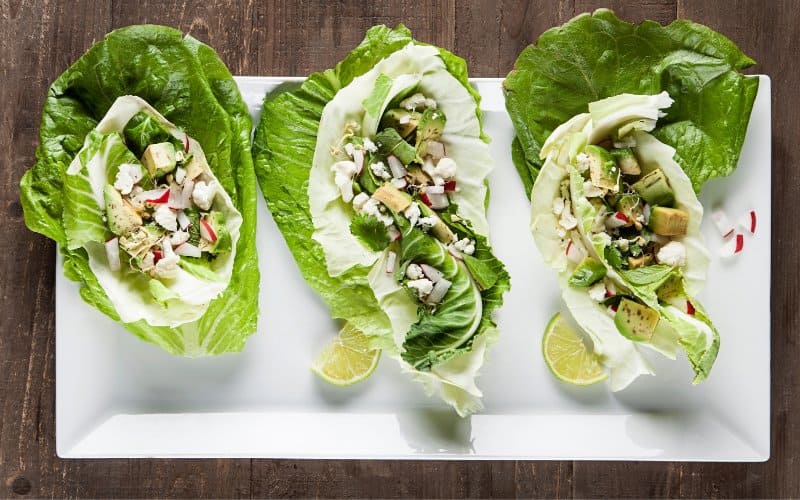
Crunchy, spicy, and totally addictive. Cauliflower and walnuts mimic the texture of taco meat, while spices like cumin and smoked paprika bring the heat. Scoop it into crisp romaine or butter lettuce leaves, top with guac, and you’ve got dinner in 15 minutes.
💡 Pro tip: Add smoked paprika and coconut aminos to mimic traditional taco seasoning—without the sugar.
2. Tofu & Broccoli Stir Fry with Coconut Aminos
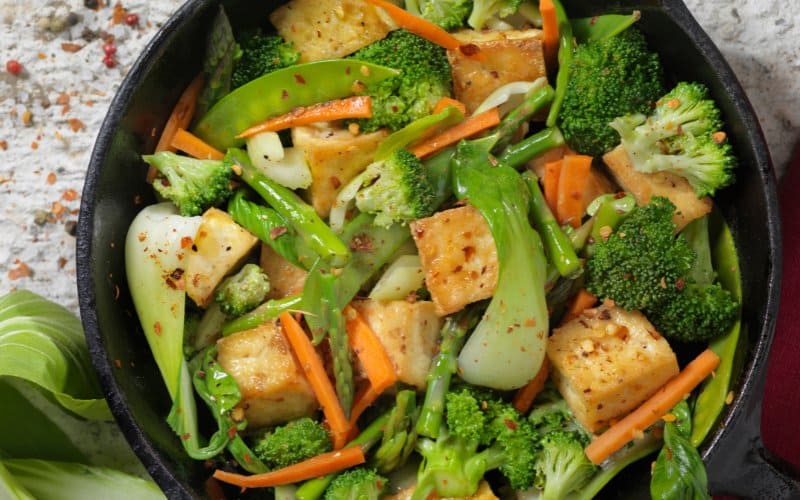
This is your go-to “I don’t know what to make” meal. Pan-seared tofu, broccoli florets, garlic, and a splash of coconut aminos (the low-sugar soy sauce alternative) come together in minutes. Serve over cauliflower rice or eat straight from the pan.
3. Avocado Zoodles with Basil Pesto
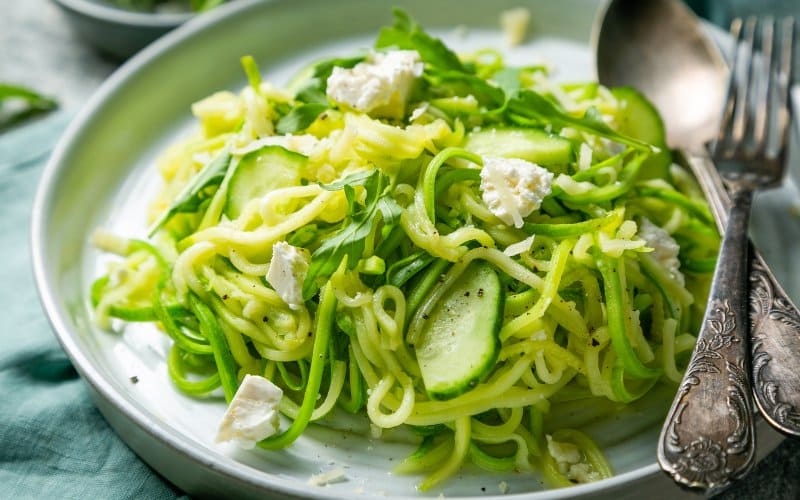
Zucchini noodles make a light, satisfying base for rich, creamy avocado pesto. Add cherry tomatoes or olives for extra flair. You can eat it cold like a salad or warm it up for a cozy bowl of goodness.
💡 Pro tip: Use a spiralizer for perfect zoodles—and blot them with a towel to avoid sogginess.
4. Chia Seed Breakfast Pudding with Almond Milk
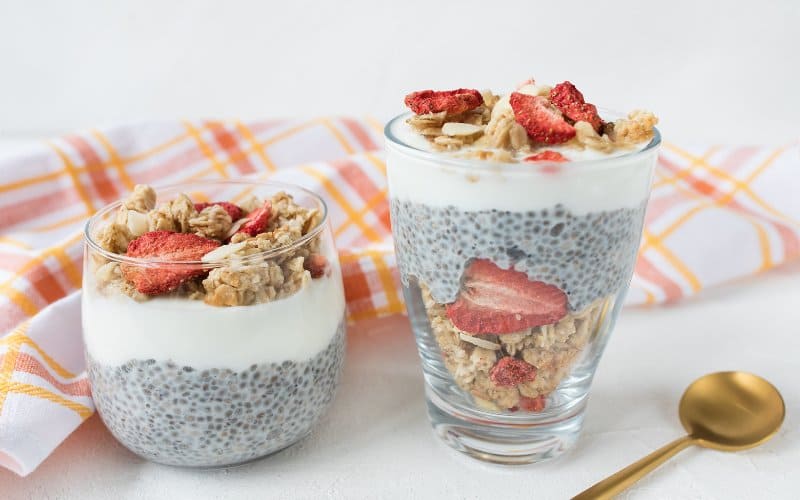
Meal prep this the night before and wake up to a creamy, fiber-rich breakfast. Mix chia seeds, unsweetened almond milk, cinnamon, and vanilla. Top with a few raspberries or a spoonful of almond butter in the morning.
5. Spaghetti Squash with Vegan Alfredo Sauce
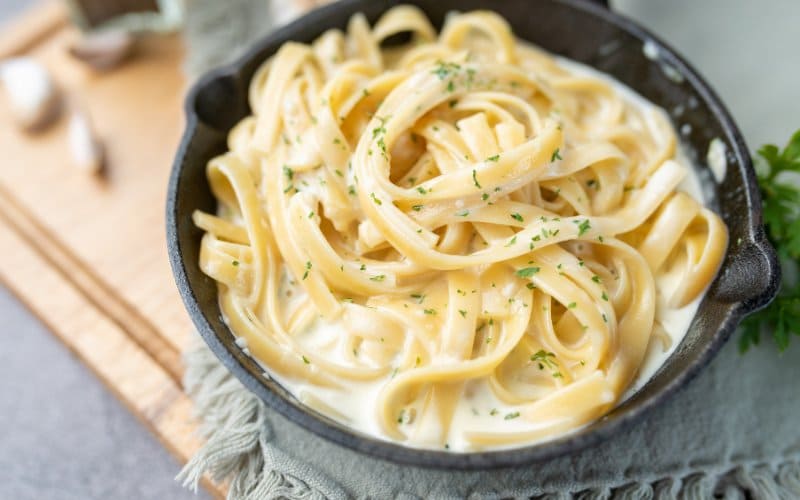
Roast a spaghetti squash, scoop out the strands, and top with a rich, dairy-free Alfredo made from cauliflower, garlic, nutritional yeast, and a little olive oil. Comfort food vibes, minus the crash.
6. Eggplant and Spinach Coconut Curry
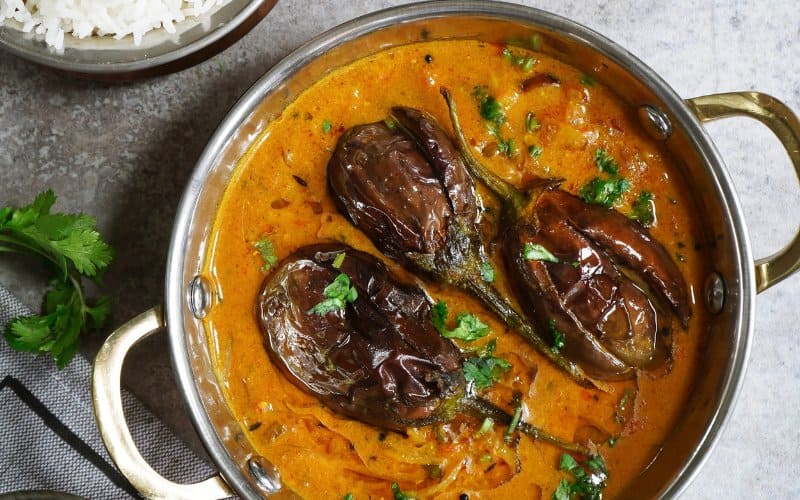
Silky eggplant and wilted spinach simmer in a creamy coconut curry sauce packed with turmeric, cumin, and ginger. Serve in a bowl with a spoon—or over cauliflower rice if you want something heartier.
7. Grilled Tempeh Salad with Tahini Dressing
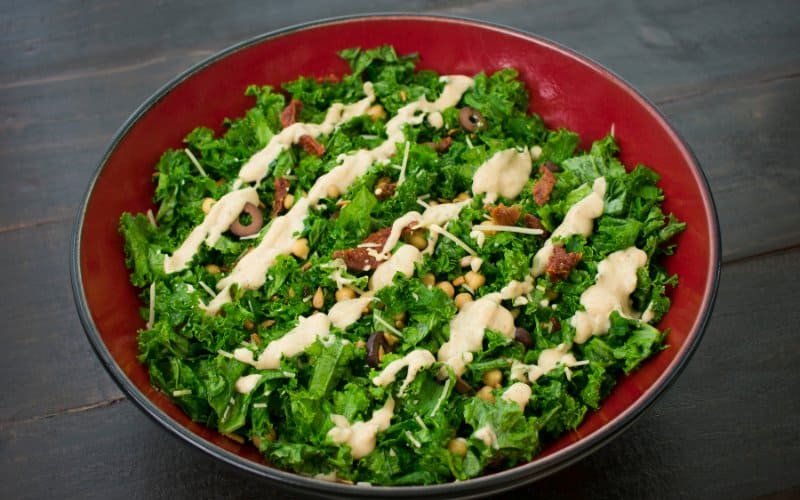
Grill or pan-fry tempeh until crispy, toss it on a bed of leafy greens with cucumber, shredded carrots, and pumpkin seeds, then drizzle with a creamy tahini-lemon dressing. It’s the kind of salad that actually fills you up.
💡 Pro tip: Marinate tempeh in tamari and apple cider vinegar for 30 minutes before grilling for extra depth.
8. Zucchini and Flaxseed Vegan Fritters
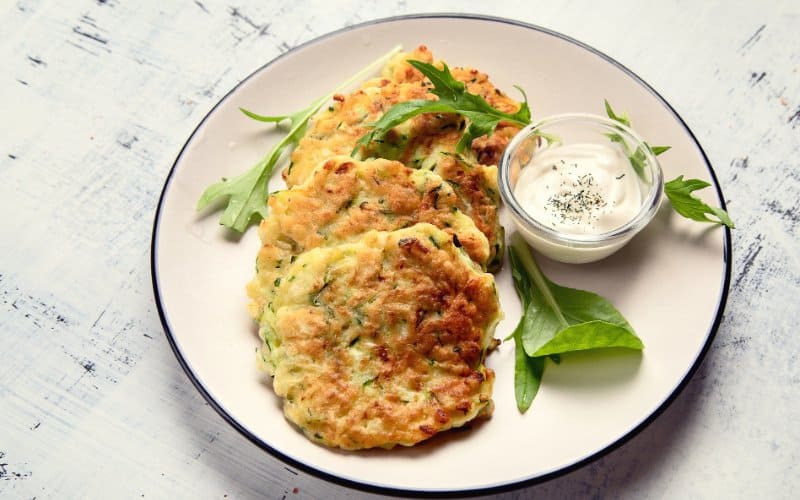
Grate zucchini, mix with flax eggs and almond flour, and pan-fry until golden. These fritters are perfect for lunch, snacks, or a side dish. Dip them in a garlicky vegan aioli or avocado spread.
9. Stuffed Bell Peppers with Cauliflower Rice and Chickpeas
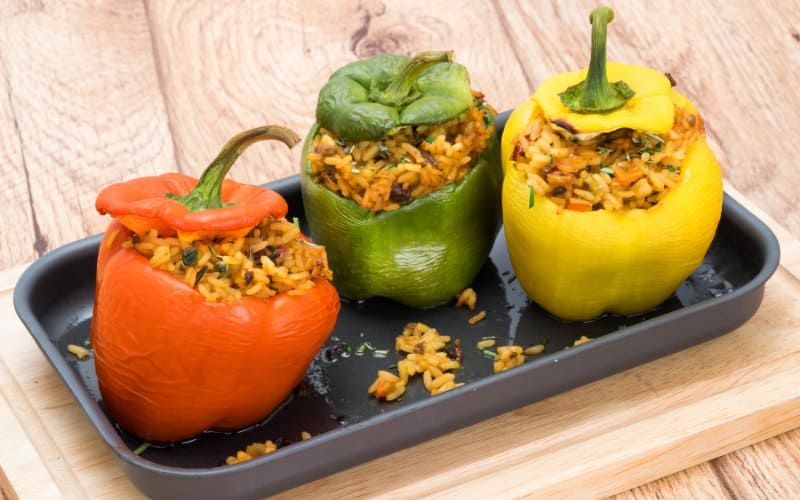
Bell peppers roasted to perfection and filled with a savory mix of riced cauliflower, mashed chickpeas, herbs, and a touch of tomato paste. These are great for meal prep and reheat like a dream.
💡 Pro tip: Roast peppers until just soft—they’ll hold their shape better and add a gentle sweetness to the filling.
Wrapping It Up: How to Stick to Low Carb Vegan Eating
So now you’ve got the “what,” the “why,” and the delicious “how.” But let’s be real—knowing what to do and actually doing it every day? Two very different things.
The good news? You don’t have to overhaul your entire life overnight. In fact, it’s the small, repeatable actions that create real change. No guilt. No perfection. Just steady momentum.
Let’s end with a few practical ways to keep your low carb vegan lifestyle sustainable (and actually enjoyable).
Small Daily Habits That Help
This isn’t about being strict—it’s about being strategic.
Low carb vegan eating gets way easier when you stop relying on willpower and start relying on habits. Here are a few that make a big difference:
-
Keep the basics stocked. Almond milk, tofu, greens, chia seeds. When these are always in your kitchen, half your meals are already solved.
-
Cook once, eat twice. Every time you cook, make a double batch. Leftovers = lifesavers.
-
Prep a few go-to snacks. Like sliced cucumber with tahini or homemade flax crackers with hummus.
-
Hydrate like it’s your job. Water keeps digestion moving and helps manage appetite.
You don’t have to be a meal prep queen or track every bite. Just give your future self a head start wherever you can.
💡 Pro tip: Build your meals around fiber, fat, and protein—then carbs become optional, not essential.
Staying Inspired Without Getting Overwhelmed
he quickest way to fall off the wagon? Boredom and burnout. The best way to avoid both? Keep your meals exciting—but simple.
Here’s how to stay motivated without driving yourself nuts:
-
Try one new recipe each week. That’s it. Just one. Add it to your “go-to” list if you love it.
-
Keep a favorites folder. Bookmark recipes that worked well so you’re not reinventing the wheel every week.
-
Use themes. Taco night, soup night, stir-fry night—it keeps variety high without overthinking.
-
Give yourself grace. Some days you’ll eat avocado and roasted broccoli. Other days you’ll eat almond butter from the jar and call it dinner. That’s okay.
This isn’t about being perfect. It’s about creating a way of eating that supports how you want to feel—and lets you enjoy food at the same time.
💡 Pro tip: Keep a “favourites list” of meals you love—it takes the guesswork out of eating well.