

Introduction: Why Bake a Gluten-Free Vegan Cake?
A Treat Everyone Can Enjoy
Let’s be honest: cake should never leave anyone out. It’s the dessert of birthdays, celebrations, Tuesdays when you need a pick-me-up… and really, it should be for everyone. So, whether your sister is gluten-intolerant, your best friend is vegan, or you’re just trying to be kinder to your body (or the planet), a gluten-free vegan cake is the dessert that doesn’t discriminate.
It’s not about settling. Not even close. A well-made plant-based, gluten-free cake is rich, tender, and bursting with flavor—without a single egg or speck of wheat. You won’t be side-eyeing it like it’s the “healthy option.” You’ll be going back for seconds, maybe even thirds, because it just hits right.
And let’s talk numbers for a second. Over 6.5 million Americans identify as vegan, and around 1% of the global population has celiac disease. That doesn’t even touch the countless people with food sensitivities or those making more mindful choices. So making a cake that includes everyone? That’s not just kind—it’s smart.
But here’s the kicker: when this cake’s done right, no one at the table is going to ask what’s missing. They’re going to ask for the recipe.
💡 Pro tip: A gluten-free vegan cake isn’t the “alternative.” It’s the one they’ll talk about long after the last slice is gone.
Common Challenges in GF Vegan Baking
Let’s not sugarcoat it—baking a cake without flour or eggs sounds like baking without a backbone. And honestly, if you wing it, things can get weird fast. Dry-as-dust sponge? Been there. Sunken middle? Oh yes. That dense, chewy texture that tastes like regret? Yep, that too.
So why is it so tricky?
Gluten acts like scaffolding in traditional cakes—it holds everything up. Eggs? They’re the magic glue, the moisture, the puff. Take both out and you’re left trying to build a house with no nails and no walls.
But don’t panic. Once you understand the roles these ingredients play, you’ll know how to fill in the gaps. That’s where the real magic happens.
Because once you crack the code—blend the right flours, nail the perfect egg replacer, balance the moisture—it’s a game-changer. You’re not just making “free-from” desserts. You’re creating something inclusive, delicious, and honestly kind of impressive.
The Science Behind Gluten-Free and Vegan Baking
What Does Gluten Actually Do in Baking?
Okay, quick science detour—but trust me, it matters.
In regular baking, gluten is the protein tag-team (glutenin + gliadin) that gets stretchy when mixed with water. That stretch traps air, which helps your cake rise, stay fluffy, and hold together. It’s like the invisible net that catches all the good stuff.
Take it out, and suddenly your batter is flying without a safety net. Instead of rising gracefully, it might just fall flat. Literally.
But don’t worry. You can recreate that structure with clever combos of gluten-free flours and binding agents. It’s a little more hands-on, sure, but absolutely doable—and when it works, it really works.
- Provides elasticity and spring
- Helps batter hold air bubbles = lift
- Stops cakes from crumbling into sad little piles
The Role of Eggs and How to Replace Them
Eggs are the overachievers of the baking world. One minute they’re holding your cake together, the next they’re puffing it up, and somehow, they’re also adding richness and shine. It’s a tall order.
But guess what? You’ve got options. Lots of them. Depending on what you need—structure, moisture, or lift—you can swap in one of these:
| Substitute | Best Used For | Equals 1 Egg |
|---|---|---|
| Flaxseed Meal | Moisture + binding | 1 tbsp flax + 3 tbsp water |
| Chia Seeds | Fiber + thickness | 1 tbsp chia + 3 tbsp water |
| Aquafaba | Light, airy texture | 3 tbsp chickpea brine |
| Mashed Banana | Sweetness + softness | 1/4 cup mashed banana |
| Applesauce | Moist + mild | 1/4 cup applesauce |
💡 Pro tip: Need lift without eggs? Whip aquafaba until it foams—it’s like vegan meringue in disguise.
Why Moisture and Structure Are Harder to Get Right
Here’s the heart of the matter: when you ditch gluten and eggs, your cake’s core support and moisture are both at risk. That’s why so many gluten-free vegan cakes end up dry or collapse in the middle like a bad soufflé.
So what’s the fix?
You need backup players—ingredients that lock in moisture, add a bit of bounce, and help everything stick together. That means adding things like:
- Coconut yogurt for tang and richness
- Mashed fruit (banana, sweet potato, applesauce) for softness
- A little vinegar to react with baking soda for that rise
- Flours that complement each other: almond for fat and tenderness, oat for softness, rice for bulk
- Binders like psyllium husk or xanthan gum to hold it all together
It’s all about balance. Too wet and it sinks. Too dry and it crumbles. But hit that sweet spot and suddenly, you’re biting into something so moist and fluffy you’ll forget it’s gluten-free, vegan, and made without a single “conventional” baking staple.
Key Ingredients That Make or Break a Gluten-Free Vegan Cake
Best Gluten-Free Flours for Baking
Let’s clear something up—gluten-free doesn’t mean joy-free. But it sure can be if you pick the wrong flour and end up with a cake that tastes like a dense, confused protein bar. If you want a cake that feels like a celebration instead of a compromise, the flour mix matters. A lot.
Think of each type of flour like a character in a sitcom. Almond flour is the warm, soft-hearted one. Oat flour’s reliable. Tapioca? That’s the zany one who keeps things light. You need them all to balance each other out.
Here’s your inner-circle of flours:
- Almond flour – Adds a buttery texture and moisture that can save a dry batter.
- Oat flour – Brings a subtle, wholesome flavor and a pillowy bite.
- Brown rice flour – Great for structure and holding things together.
- Sorghum flour – Slightly sweet, with a smooth finish. It’s your secret weapon.
- Tapioca starch – Adds that gentle chew and elasticity we miss when gluten’s gone.
The magic lives in the mix. Try this ratio: 40% grain-based (like oat or rice), 30% nut or protein-rich (like almond), and 30% starch. Don’t overthink it—bake, tweak, repeat.
💡 Pro tip: Blending oat and almond flours is like pairing sneakers with sweatpants—it just works. Soft, cozy, and no-fuss.
Choosing the Right Egg Replacer
Eggs are basically the Swiss army knife of traditional baking: structure, lift, moisture, and binding all in one little shell. So when you’re skipping them, you’ve got to be strategic.
Let’s break it down by cake personality:
- Flax or chia eggs – Ground seed plus water equals a gel that keeps everything together. Ideal for rustic or hearty cakes.
- Aquafaba – Sounds fancy, but it’s just the liquid from a can of chickpeas. Whip it up for light, fluffy cakes.
- Mashed banana or applesauce – Sweet, moist, and adds character. Great for banana bread, maybe not for lemon sponge.
Stick to one. Combining different replacers can backfire fast—think slumped sponge or a gummy middle.
Natural Moisture Boosters and Binders
This is where things often go wrong in gluten-free vegan baking. One second it looks perfect in the pan, the next you’re slicing into a dry disappointment. Moisture matters.
Here’s who can help:
- Applesauce – Gentle sweetness and moisture without stealing the spotlight.
- Coconut yogurt – Rich and creamy, adds that decadent feel to any batter.
- Mashed sweet potato – Smooth, earthy, and perfect for fall-flavored bakes.
- Psyllium husk – Doesn’t sound sexy, but it’s a powerhouse for structure and moisture retention.
Go slow here. Adding too much can lead to gooey disaster. You want soft—not soggy.
Sweeteners and Fats That Work Well
Let’s be honest: nobody eats cake for its nutritional value. It’s about indulgence. The right sweetener and fat give it soul.
Sweeteners that actually bring something to the party:
- Maple syrup – Rich, warm, and layered. Makes your cake taste like it came from a high-end café.
- Coconut sugar – Slightly smoky and not overly sweet. Great for complex flavors.
- Date syrup – Dark, deep, and full-bodied. Perfect for spice or chocolate-based cakes.
- Agave nectar – Mild and easy-going. Lets other ingredients shine.
Fats that do more than add calories:
- Coconut oil – Solid at room temp, melts into rich decadence in the oven.
- Vegan butter – Brings a classic flavor and smooth texture.
- Avocado oil – Light and neutral. Doesn’t leave any aftertaste.
The balance here is all about what else is in your mix. If your batter’s already rich (say, with banana or pumpkin), go easy on the fat. But if it’s dry and light, don’t be afraid to lean in.
💡 Pro tip: Always taste your batter. If it’s bland raw, it won’t be better baked.
Ready to preheat the oven? Let’s get mixing.
Master Recipe: Foolproof Gluten-Free Vegan Cake Base
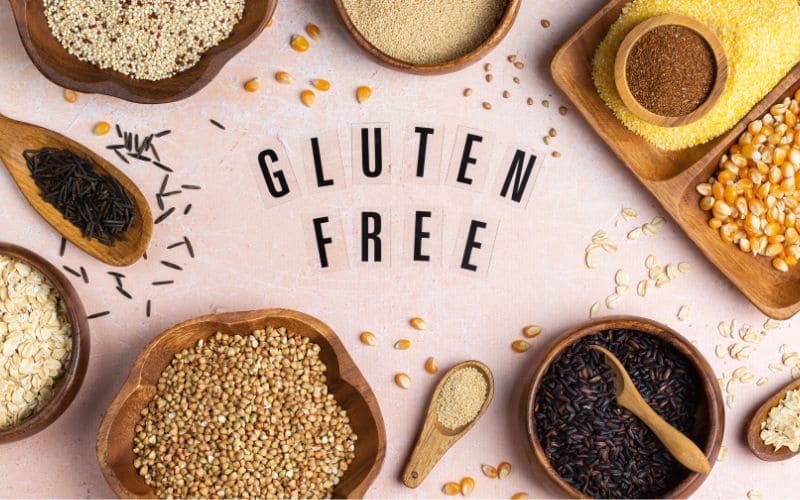
Ingredients List with Substitutions
Let’s face it—baking a cake that’s both gluten-free and vegan can feel like you’re playing baking roulette. But this base recipe? It’s your safety net. It’s the one you’ll come back to when you need a solid, crowd-pleasing cake that doesn’t crumble—literally or figuratively.
Here’s the lineup of ingredients that makes this recipe a keeper:
- 1½ cups gluten-free flour blend (make sure it includes xanthan gum)
- ½ cup almond flour or oat flour (depending on nut tolerance)
- 1 cup coconut sugar – gives that lovely caramel depth
- 1 cup plant milk – almond, oat, or soy all work beautifully
- ½ cup melted coconut oil – for richness and moisture
- ¼ cup applesauce – our sneaky moisture booster
- 1 tbsp ground flax + 3 tbsp water (aka your flax egg)
- 1 tsp baking soda
- 1½ tsp baking powder
- 1 tbsp apple cider vinegar – reacts with baking soda to help lift
- 1 tsp vanilla extract – because cake should taste like cake
- A pinch of salt – trust me, don’t skip this
Not all pantries look the same, so here are a few smart swaps:
| Ingredient | Substitute | Notes |
|---|---|---|
| Almond flour | Oat flour | Great for nut-free version |
| Coconut oil | Avocado oil or vegan butter | Adjust taste & consistency |
| Applesauce | Mashed banana or coconut yogurt | Banana adds its own flavor |
| Coconut sugar | Maple syrup | Reduce other liquids slightly |
💡 Pro tip: Don’t skip the sifting. Lumpy flour = lumpy cake. Sifting gives a smoother, fluffier result every time.
Step-by-Step Baking Instructions
This isn’t a complicated cake, but it loves a little attention to detail. Here’s how to get it right the first time:
- Preheat your oven to 175°C (350°F). Line your cake pan or grease it well.
- In a small bowl, stir the ground flax with water. Let it sit for at least 5 minutes until it thickens—it should look gloopy like an egg white.
- In a large bowl, whisk all your dry ingredients together. Get rid of clumps now so you don’t get weird dry pockets later.
- In another bowl, whisk the wet ingredients plus the flax egg. Make sure everything’s nicely mixed, especially the oil.
- Pour the wet mix into the dry ingredients. Stir gently until just combined. Don’t beat the life out of it—gluten-free cakes hate that.
- Transfer to your pan and smooth the top with a spatula. You’re almost there.
- Bake for 30–35 minutes. You want a clean-ish toothpick (a few crumbs is okay).
- Let it cool in the pan for 10 minutes before transferring to a wire rack. Resist the urge to slice while it’s hot.
Optional Add-ins to Make It Your Own
Want to dress it up a bit? Here are a few extras that turn your basic cake into something memorable:
- Fresh citrus zest – lemon, orange, or even lime for brightness
- Warm spices – cinnamon, cardamom, nutmeg
- Toasted coconut or chopped nuts for texture
- Dark cocoa powder or vegan chocolate chips for indulgence
- Dried fruit like cranberries, dates, or golden raisins
Delicious Variations for Every Occasion
Chocolate Lover’s Dream
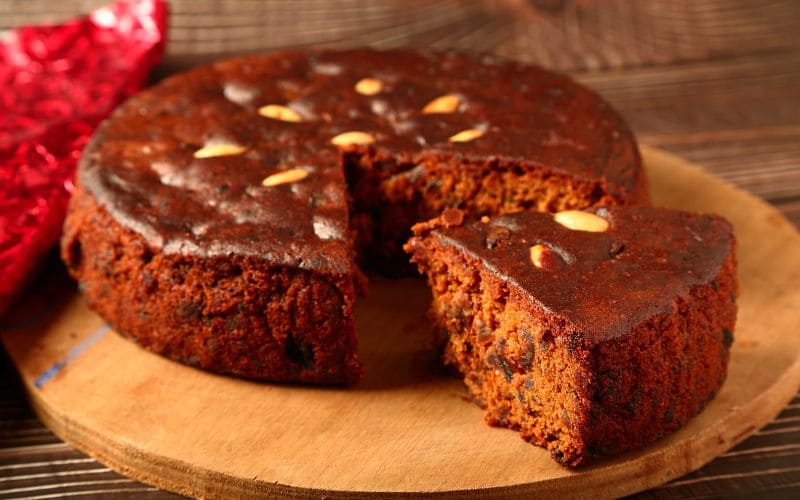
If chocolate were a language, this cake would be fluent. Start by mixing ½ cup of unsweetened cocoa powder right into your base batter. Not the timid kind—deep, dark cocoa. Then, toss in a hearty handful of vegan chocolate chips. Want to make it even bolder? Swap out your plant milk for a shot of strong brewed coffee. It doesn’t scream “coffee,” but it makes the chocolate taste like it got a college degree.
Once baked, crown it with a glossy ganache made from dairy-free chocolate melted into full-fat coconut milk. It’s luscious, rich, and if there’s any left the next morning, you’ve got stronger willpower than most.
Classic Carrot Cake with a Twist
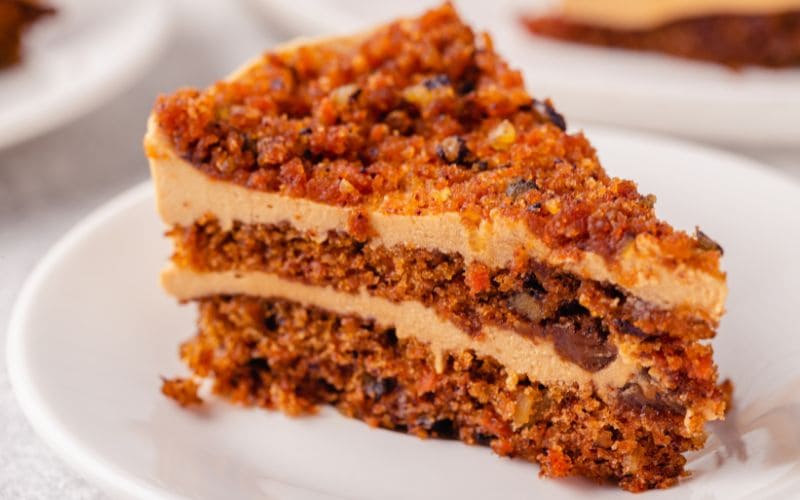
This isn’t the bland carrot cake you politely eat at family functions. Grate two fresh carrots (yes, grate them finely), and fold them into the batter along with ¼ cup crushed pineapple. The pineapple isn’t optional—it adds that subtle zing and makes the crumb impossibly moist. Add a teaspoon of cinnamon and a small handful of raisins for warmth and chew.
Top it off with a silky cashew cream frosting, then scatter chopped walnuts on top like it’s snowing flavor. Every bite is spiced, nostalgic, and just rustic enough to feel homemade in the best way.
💡 Pro tip: Use finely grated carrots so they vanish into the batter, not clump up like veggie confetti.
Zesty Lemon Poppyseed
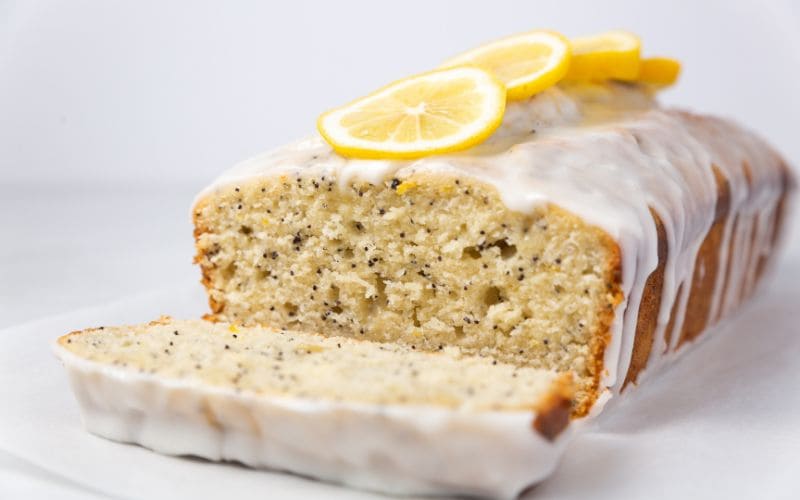
This cake is pure sunshine. Add 1 tablespoon of lemon zest, 2 tablespoons of fresh lemon juice, and 1½ tablespoons of poppy seeds. That’s it—that’s the trifecta. Swap the applesauce for a generous spoonful of tangy vegan yogurt if you want that creamy, citrusy punch.
Once it’s cooled, pour over a light lemon glaze made with just powdered sugar and lemon juice. Simple. Elegant. Like something you’d find in a chic European café—minus the passport.
Banana-Walnut Comfort Cake
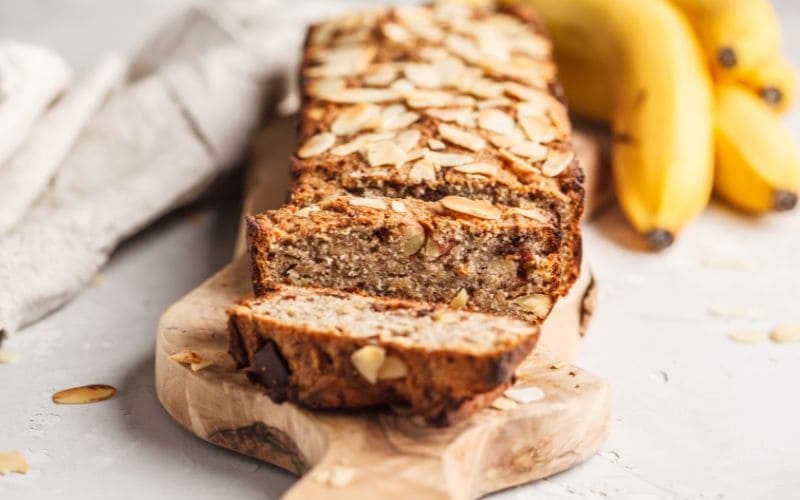
You know those two bananas going brown on the counter? This is their moment. Replace the applesauce in the base recipe with two very ripe mashed bananas. Stir in a generous handful of chopped walnuts and a dash of cinnamon. That’s it. You’ve just made a cake that tastes like a warm sweater in dessert form.
Top it with maple glaze, almond butter, or nothing at all. It’s that good.
Pumpkin Spice Perfection
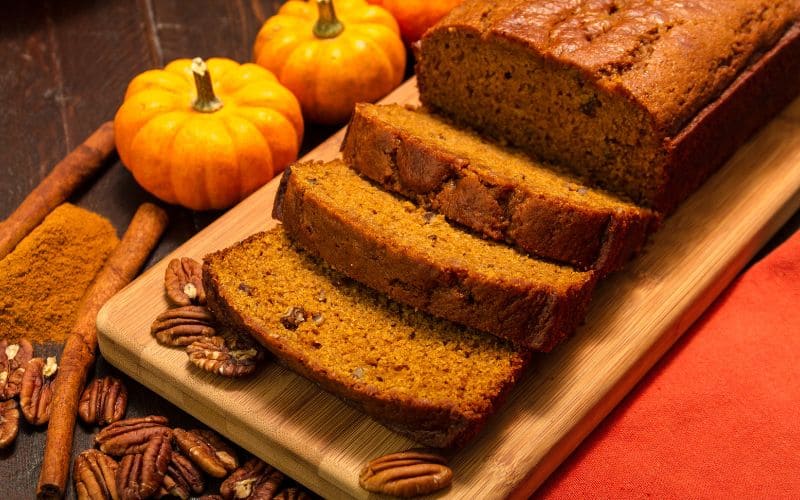
This one smells like autumn, even in July. Use ½ cup of canned pumpkin purée in place of the applesauce. Add 1 teaspoon cinnamon, ½ teaspoon ginger, and a pinch of ground cloves. Sweeten with maple syrup and bake it until your kitchen smells like Thanksgiving.
For frosting? Whipped coconut cream is your best friend. Sprinkle with crushed pecans, serve with spiced tea, and take a bow.
Berry Vanilla Tea Cake
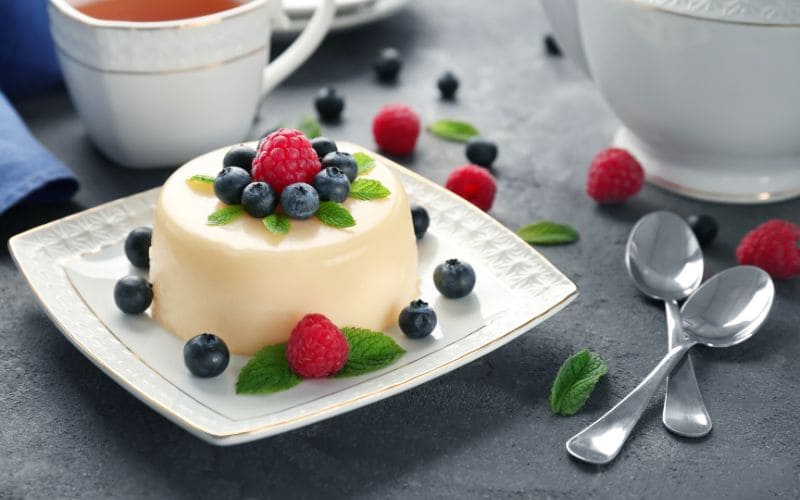
Soft, light, and just the right amount of sweet. Fold 1 cup of fresh or frozen berries into the base batter, then add a splash of vanilla extract to bring it all together. If you want a gentler texture, use oat flour—it gives the crumb a lovely sponge-like feel.
When it’s cool, dust it with powdered sugar. Or don’t. Either way, this one belongs next to a teacup and a window with a view.
Frosting & Decoration Ideas Without Dairy or Gluten
Vegan Buttercream Tips
If there’s a frosting that feels like childhood birthdays and bakery windows, it’s buttercream. Start with ½ cup vegan butter—chilled slightly so it doesn’t melt under pressure. Beat it until soft, then gradually add 2 to 3 cups of powdered sugar. Splash in 1–2 tablespoons of plant milk, and stir in a teaspoon of vanilla. Craving something different? Add cocoa for a chocolate twist, or zest some citrus right in for brightness.
💡 Pro tip: Keep your vegan butter just below room temp to avoid frosting that slides off your cake like a bad toupee.
Cashew or Coconut Cream Frosting
For a silkier, naturally sweet alternative, cashew or coconut cream has your back.
- Cashew frosting: Blend 1 cup soaked cashews with 2–3 tablespoons maple syrup, 1 tablespoon lemon juice, ¼ cup plant milk, and 1 teaspoon vanilla until smooth. Chill slightly to thicken.
- Coconut cream: Scoop the solid part from a chilled can of full-fat coconut milk. Whip it with powdered sugar and a dash of vanilla. That’s it—clouds in a bowl.
Fun and Fancy Topping Suggestions
- Fresh berries or thinly sliced citrus rounds
- Edible flowers (because, why not?)
- Chopped pistachios, almonds, or sunflower seeds
- Toasted coconut flakes for crunch
- A gentle drizzle of melted chocolate or date syrup
Baking Tips for a Perfect Result Every Time
Avoiding Common Mistakes
- Don’t overmix: A few lumps are fine—mixing too much ruins the texture.
- Measure accurately: Invest in a kitchen scale. It’s the difference between “meh” and magic.
- Don’t peek early: Opening the oven door too soon lets the heat (and your cake’s dreams) escape.
- Right pan matters: Using the wrong size or type throws everything off. Stick to the recommended pan.
💡 Pro tip: Let your cake cool fully before slicing—gluten-free vegan cakes need time to set or they’ll crumble like a bad alibi.
Best Practices for Measuring & Mixing
- Spoon-and-level your flour: Don’t scoop directly from the bag—flour compacts and you’ll get too much.
- Weigh dry ingredients: Especially important for precision. Gluten-free baking is not the place for eyeballing it.
- Mix gently: Overmixing activates starches and makes the texture gummy.
- Fold extras last: Stir in things like nuts or fruit at the end to keep the batter even.
Knowing When It’s Done
- Toothpick test: Should come out with a few moist crumbs—not batter.
- Edges: They’ll just start to pull away from the pan when it’s ready.
- Top feel: It should be springy and slightly firm to the touch.
- Internal temp: For the perfectionists, aim for 205–210°F (96–99°C).
How to Store and Serve Your Cake Like a Pro
Keeping It Fresh
You’ve done the work—baked it, cooled it, maybe even frosted it like a pro. Now comes the part no one talks about: keeping that cake as good on day three as it was fresh out of the oven. Because honestly, dry cake is just… sad.
- Unfrosted cakes: Wrap in parchment, then foil, and keep at room temperature for up to 3 days. Cool kitchens preferred. If your kitchen gets warm, move it to the fridge.
- Frosted cakes: Store in an airtight container in the fridge for up to 5 days. Let slices sit out for 10–15 minutes before serving—no one likes a cold bite of coconut oil.
- Cut or layered cakes: Add parchment between slices. It’s like personal space for cake—no sticking, no mess.
Make-Ahead and Freezing Advice
Planning ahead? Whether it’s for a birthday, a potluck, or a Tuesday-night dessert craving, freezing is your cake insurance policy.
- Wrap each cake layer tightly in plastic wrap. Then add a layer of foil for freezer protection. Double-wrapped = no freezer funk.
- Label and date them—future you will thank you.
- To thaw: place in the fridge overnight. Don’t rush it on the counter unless you want uneven texture.
- Frosting can go in the freezer too, but whip it again once it thaws. It needs a little fluff revival.
💡 Pro tip: Freeze slices with parchment between them for single-serve dessert moments. Perfect for future-you’s 9pm snack attacks.
Presentation Ideas for Special Occasions
Let’s be honest—first impressions count. Even the tastiest cake deserves a little flair if it’s going to show up at a party. Luckily, you don’t need professional tools to make it look like you tried really hard.
- Bundt pans: Instantly dress up a basic batter with zero extra effort. It’s the yoga pants of cake forms—comfy but cute.
- Mini cakes: Use ramekins or muffin tins. Individual portions = fewer crumbs and more smiles.
- Layer and stack: Add frosting between layers to build height and drama.
- Decorate with: Fresh fruit, edible petals, a zigzag of glaze, or a puff of powdered sugar—whatever fits your vibe.
- Serve with style: Rustic wooden boards or colorful vintage plates add charm without the fuss.
Frequently Asked Questions (FAQ)
Can I Use a Pre-Made Gluten-Free Flour Blend?
Yes—but check the fine print. If it’s got xanthan gum or guar gum, you’re golden. If not, add your own binder so the cake holds together instead of falling apart like a bad rom-com.
💡 Pro tip: Too much gum is a no-go—it’ll turn your cake into a rubber sponge. Less is more.
Will This Work Without a Mixer?
You bet. Grab a whisk, a spatula, and some patience. No stand mixer, no problem—this cake won’t judge you. Just don’t overmix.
Can I Make It Sugar-Free or Oil-Free?
Sure can. For sweeteners, try monk fruit, erythritol, or date paste. For fats, sub in applesauce or mashed banana. The result will be softer, slightly denser, and still delicious.
What’s the Best Pan Size for This Recipe?
- 9-inch round: Bake 30–35 minutes
- 8×8 square: Bake 35–40 minutes
- Cupcakes: 18–22 minutes
- Mini loaves: 25–30 minutes
How Can I Prevent the Cake from Crumbling?
- Stick with a good binder: flax, chia, or psyllium all do the trick.
- Don’t skimp on moisture—applesauce, banana, or yogurt keep things soft.
- Watch the bake time. Overbaked equals dry and sad.
Final Thoughts: Confidence in Every Slice
Encouragement for Beginners
If this is your first dive into gluten-free vegan baking, give yourself some grace. It might not be perfect, but perfection isn’t the goal—connection is. It’s about creating something you feel proud to serve and excited to share. Even a slightly lopsided cake is still cake.
💡 Pro tip: Focus on flavor, texture, and love. The rest will follow.
Invitation to Experiment
Now that you’ve got the foundation, go build something new. Add blueberries. Swirl in tahini. Toss in some rosemary if you’re feeling bold. Every cake is a chance to try again, tweak a bit, and find your own magic. This recipe is a starting point—not a rulebook.