

Why This Bread Matters (Even If You’ve Been Burned by Brick Loaves Before)
Alright, let’s get real. If you’ve ever tried baking gluten-free vegan bread, you probably know how soul-crushing it can be. You measure everything, follow the recipe like it’s sacred scripture, and wait with hope bubbling in your chest. Then you pull it out of the oven… and it’s dense, dry, and tastes like damp cardboard.
You’re not alone. I’ve been there—more than once. The thing is, when you remove gluten, eggs, and dairy from traditional baking, you’re not just taking out ingredients. You’re pulling out the very things that give bread its bounce, fluff, and richness. No wonder it collapses like a deflated balloon.
But here’s the twist: you can still make amazing bread. Bread that slices beautifully, toasts like a dream, and actually makes you proud to share it. It just takes a different kind of toolkit. Chia seeds that gel up like magic. Psyllium husk that gives the dough structure. Vinegar and baking soda doing a bubbly little dance. It’s not harder—it’s just a new game with different rules.
💡Pro tip: Don’t aim for a copy of regular bread—make something better. Something that fits *your* table and everyone sitting around it.
The Real Reason Everyone’s Talking About This
Let’s zoom out for a second. Gluten-free vegan bread isn’t just some Instagram trend with moody lighting and a rustic wooden cutting board. It’s a response. A response to allergies, ethical shifts, digestive chaos, and yes—curiosity. People want to eat better. Feel better. *Live* better.
In fact, did you know the gluten-free market is expected to hit $14 billion by 2030? That’s not niche. That’s global. Vegan baking is riding that wave too. No more scanning labels with a flashlight in the baking aisle. Stores now have entire sections for egg-free, dairy-free, wheat-free options. It’s about time.
But the deeper reason? Inclusion. Imagine not having to make a separate loaf for Aunt Sarah, who’s gluten-intolerant, and your neighbor who just went plant-based. Imagine one loaf, on one table, and everyone digging in without hesitation. That’s what makes this kind of bread different—it welcomes everyone.
💡Pro tip: The best recipes are the ones that don’t require anyone to ask, “Can I eat this?”
Flour Power: What You Really Need to Know
Let’s talk flour. If you think you can swap wheat flour for just almond flour and call it a day… well, your loaf’s probably already collapsed. Here’s the deal: no single gluten-free flour can do it all. You need to blend them like a band—each one playing its part.
- Oat flour – Brings softness and moisture. Like the acoustic guitar of the group.
- Sorghum flour – Slightly sweet and high in nutrients. Think backup vocals with substance.
- Buckwheat – Earthy and bold. Adds backbone (but don’t worry, it’s gluten-free despite the name).
- Teff – Tiny grain, big on iron. Adds richness.
- Tapioca starch – The glue that holds things together—literally.
- Almond flour – Moisture-adding, flavor-enhancing, but not great on its own for structure.
So how do you make this work? Combine whole grain flours for body and nutrition, with starches for binding and lightness. A 3:1 ratio of flour to starch is a smart starting point. Play around, but don’t skip the starch—your loaf will thank you.
💡Pro tip: Always use at least two different flours. One brings the flavor, the other brings the lift.
No Eggs? No Problem. Let’s Bind Like Pros.
Eggs are sneaky. In regular bread, they’re the silent workhorses—adding structure, holding moisture, helping things rise. But you don’t need them. Honestly, you don’t. You just need the right swap for the job you want done.
- Flax “eggs” – Mix 1 tablespoon ground flaxseed with 3 tablespoons water. Wait 5 minutes. You’ve got yourself a binder that also brings fiber to the table.
- Chia seeds – Similar to flax, but gels up thicker. Great for heavier loaves that need a little more grip.
- Psyllium husk – This one’s the MVP. It creates a stretchy, doughy texture. It’s basically the vegan version of gluten.
- Aquafaba – That liquid from a can of chickpeas? Whip it like egg whites for lighter, airier textures.
Pick your binder based on the bread style. Want rustic, hearty slices? Go for psyllium. Something lighter? Try aquafaba or flax. Each one adds its own character, and you’ll start to get a feel for which plays nicest with your flour blend.
💡Pro tip: If in doubt, start with psyllium. It’s the closest you’ll get to gluten without breaking your plant-based vows.
Helping It Rise and Stay Moist (The Two Big Battles)
So your bread dough looks good—but will it rise? And will it stay soft, or dry out by the next morning? These two questions haunt every gluten-free baker. Thankfully, there are solutions. And no, they don’t involve weird store-bought mixes full of ingredients you can’t pronounce.
For rising:
- Active dry yeast – Classic, reliable, but needs warm liquid and a little sugar to activate.
- Baking soda + vinegar – Old-school chemistry. Great for quick breads.
- Baking powder – For extra lift, especially in flatter or denser recipes.
To keep things moist:
- Olive or coconut oil – Adds richness and improves shelf life.
- Unsweetened applesauce – Brings natural sweetness and softness.
- Plant-based milks – Oat, almond, or soy all help hydrate the dough and enhance flavor.
It’s all about balance. Too much liquid? You get gummy centers. Too little? Dry as toast. It takes a few tries, but you’ll feel it. Literally—your hands will tell you if your dough is right.
💡Pro tip: Let your dough rest for 10 minutes before shaping. It gives the flours time to soak in the moisture—and prevents gritty texture.
The Recipe That Actually Works
Here’s a tried-and-tested recipe for a loaf that holds together, tastes like actual bread, and works for sandwiches, toast, or just ripping off chunks and eating plain. Been there, done that.
Ingredients:
- 1 ½ cups oat flour
- 1 cup almond flour (or sunflower seed flour if nut-free)
- ½ cup tapioca starch
- 1 tbsp ground flaxseed + 3 tbsp water (mix and let gel)
- 1 tbsp psyllium husk
- 1 tbsp olive oil
- 1 ¼ cups warm unsweetened plant milk
- 1 tbsp maple syrup
- 1 packet active dry yeast (about 2 ¼ tsp)
- 1 tsp apple cider vinegar
- ½ tsp salt
Swaps:
- No almond flour? Use millet or sunflower seed flour.
- Watching sugar? Skip the maple syrup. Yeast will feed off starches anyway.
- No psyllium? Chia gel works, but your loaf may be denser.
How to Bake It (Without a Meltdown)
- Proof the yeast: Mix it with the maple syrup and ¼ cup warm milk. Wait until it’s frothy (about 10 mins).
- Mix the flax egg: Stir flax and water, then let sit to gel.
- Combine dry ingredients: Whisk flours, starch, psyllium, and salt in a bowl.
- Add the wet stuff: Stir in plant milk, flax egg, oil, vinegar, and your foamy yeast mixture.
- Mix well: The dough will be thick and sticky—not kneadable. That’s normal.
- First rise: Cover and let it rise somewhere warm for 1 hour.
- Second rise: Scoop it into a lined loaf pan. Smooth the top. Let it rest another 30–40 minutes.
- Bake: Preheat to 375°F (190°C). Bake for 45–50 minutes.
- Cool completely: Let it sit for an hour before slicing. Yes, it’s hard to wait. But trust me—it matters.
💡Pro tip: Line your pan with parchment. Makes cleanup easier and ensures your loaf pops out without drama.
Last Touches: How to Make It Even Better
If you want your bread to feel like something from a fancy bakery, not a “special diet” compromise, try this:
- Add vinegar – It boosts rise and cuts any bitterness from the flours.
- Let the dough rest – A short rest before baking hydrates the flours fully.
- Steam the oven – Place a tray of water on the bottom rack for a crisp crust.
- Sprinkle extras – Think sunflower seeds, rosemary, garlic powder. Adds texture and aroma.
Oh, and one last thing—this bread actually tastes better the next day. Something about the flavors settling in. So don’t toss the leftovers. In fact, slice it, toast it, and enjoy it again tomorrow with your favorite spread.
💡Pro tip: Always let your bread cool fully before slicing. If it’s warm, it’ll crumble. If it’s cool, it’ll slice like a dream.
5 Gluten-Free Vegan Bread Recipes You’ll Actually Crave
1. Hearty Almond-Flax Sandwich Bread
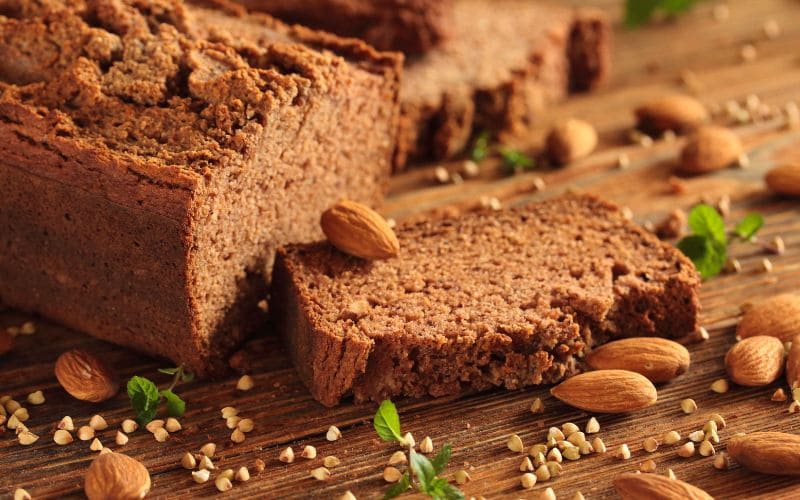
This gluten free vegan bread recipe doesn’t mess around. It’s that everyday kind of bread—the one you slice up for sandwiches, dunk in tomato soup, or toast and slather with anything from jam to smashed avocado. The secret sauce? Almond flour for richness, oat flour for softness, and psyllium husk to hold it all together like a boss.
It doesn’t crumble under pressure (literally), and it’s firm enough to handle layers of fillings without falling apart. If you’ve been missing the simple pleasure of a sandwich you can actually pick up with one hand, this is your comeback loaf.
- Main flours: Almond flour, oat flour
- Binders: Ground flaxseed and psyllium husk
- Best for: Sandwiches, toast, or dipping in soup
Make a double batch if you’re into meal prepping—it freezes beautifully. You can toast slices straight from the freezer without a single thaw. That’s the kind of low-maintenance relationship we all need.
💡Pro tip: Toast frozen slices directly—they’ll come out crisp on the outside, soft in the middle.
2. Chickpea Flatbread with Herbs
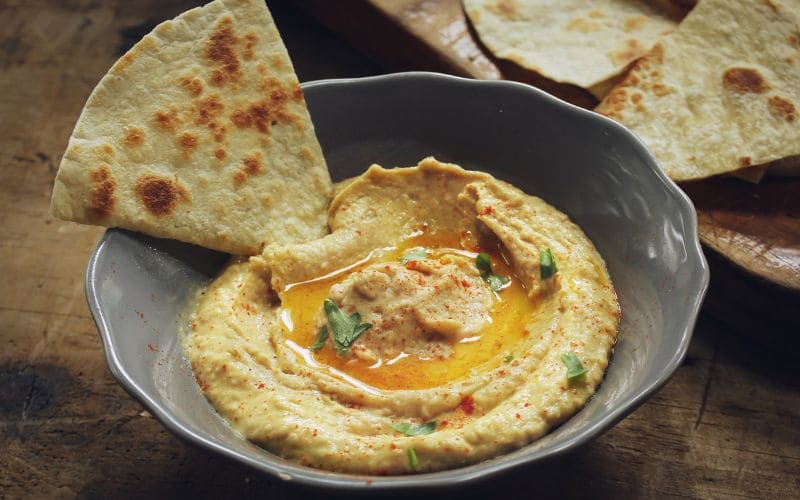
If weeknights had a bread mascot, this would be it. No yeast. No kneading. No oven. Just a bowl, a whisk, and a frying pan. Chickpea flour, water, a glug of olive oil, and herbs you probably already have. That’s it. And somehow, it tastes like you put in actual effort.
When warm, it bends and folds like a soft wrap. Let it cool and it crisps up like a flatbread cracker. Great for dipping, scooping, tearing, or devouring straight from the skillet while no one’s watching.
- Main flour: Chickpea (gram) flour
- Flavor add-ins: Rosemary, thyme, garlic powder
- Pairs well with: Hummus, baba ganoush, or vegan tzatziki
💡Pro tip: Let the batter sit for 10 minutes before cooking—it smooths out and tastes less “bean-y.”
3. Sweet Potato Oat Quick Bread
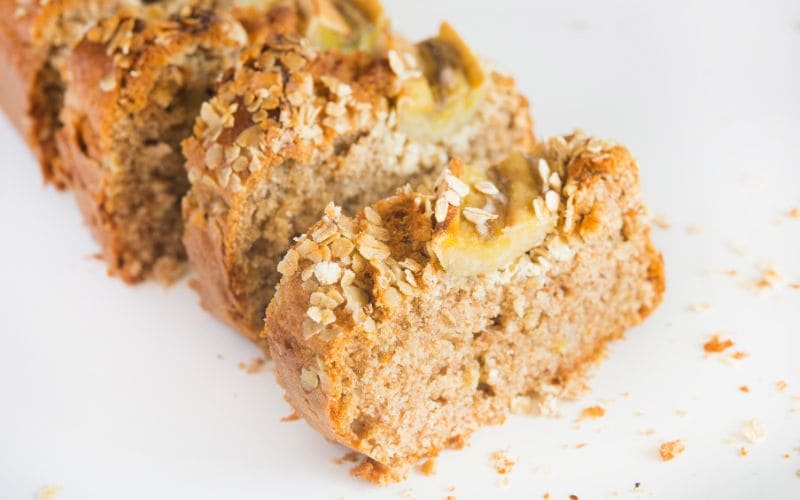
This one feels like a hug in loaf form. Mashed sweet potato adds natural sweetness and velvety moisture. Oat flour gives it a wholesome, tender crumb. There’s no yeast—just baking powder and soda doing the heavy lifting. It’s cozy, fragrant, and a bit nostalgic, especially with cinnamon and nutmeg in the mix.
You can slice it for breakfast, send it in lunchboxes, or eat it as a late-night snack with a drizzle of almond butter. It keeps well, tastes even better the next day, and gives banana bread a run for its money.
- Main base: Oat flour and mashed sweet potato
- Natural sweeteners: Maple syrup or date paste
- Perfect for: Breakfast, snacks, or kids’ lunchboxes
💡Pro tip: Add chopped walnuts or raisins if you want texture and tiny flavor bursts in every bite.
4. Rustic Buckwheat Focaccia
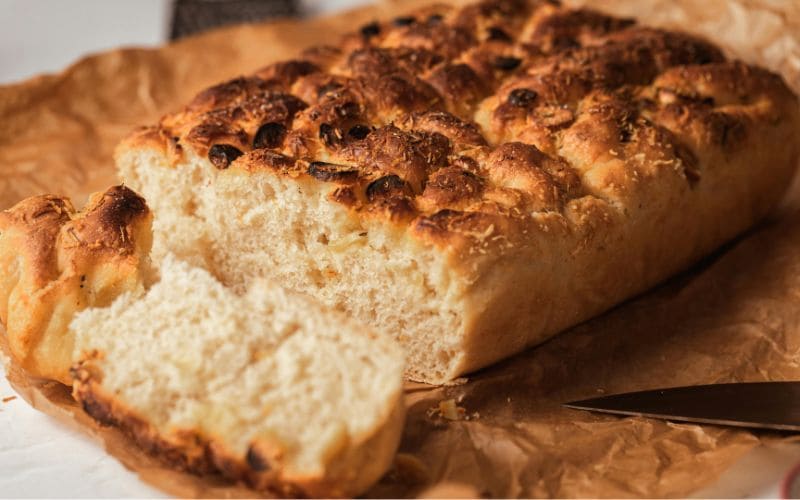
If your soul longs for bakery-style bread but your pantry screams “gluten-free only,” this focaccia is here to rescue you. Buckwheat flour gives it that bold, earthy depth. Olive oil softens the crumb while creating those gorgeous golden edges. Top it with rosemary, sea salt, olives—whatever makes your kitchen smell amazing.
Bake it in a cast-iron pan for an ultra-crispy base or go sheet-pan style for a flatter, tearable version. Either way, it’ll soak up soup like a sponge and wow your dinner guests, even the ones who roll their eyes at the words “gluten-free.”
- Main flour: Buckwheat flour
- Fat source: Extra virgin olive oil
- Toppings: Cherry tomatoes, caramelized onions, herbs
💡Pro tip: Press deep dimples into the dough before baking—those little wells catch olive oil and turn into crispy flavor pockets.
5. Banana Teff Breakfast Loaf
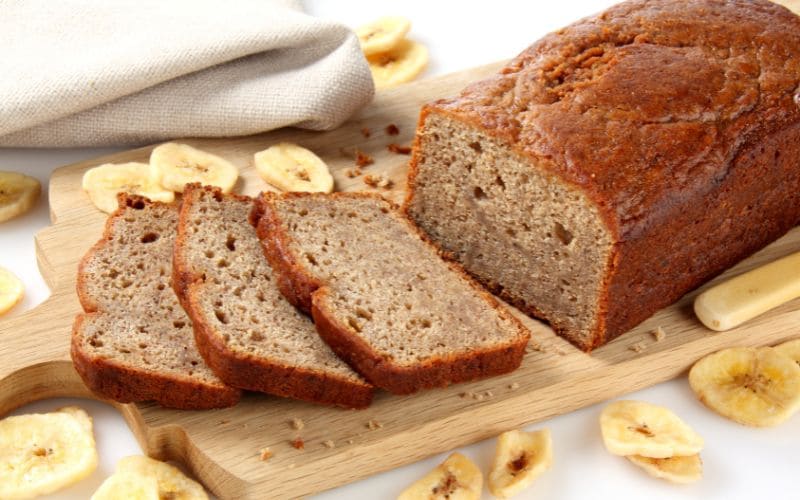
This one’s a quiet favorite. It’s not flashy. It’s not overly sweet. But it’s warm, grounding, and satisfying in a way that sneaks up on you. Teff flour—a tiny but mighty grain—adds a nutty flavor and packs a serious nutrient punch. Mashed banana gives it body, moisture, and a comforting sweetness.
Serve it with a hot drink, toast it and add dark chocolate spread, or eat it straight from the fridge. Add-ins like coconut flakes or walnuts only make it more interesting. And yes, it’ll make your kitchen smell like a bakery.
- Main flours: Teff and oat flour
- Sweeteners: Mashed banana and maple syrup
- Optional add-ins: Chocolate chips, chopped nuts, coconut flakes
💡Pro tip: Overripe bananas are gold—don’t even bother with the green ones for this loaf.
Troubleshooting: When Bread Doesn’t Behave
Why Is My Bread Dense or Gummy?
We’ve all been there—you cut into a loaf expecting soft, airy slices and instead get a gooey brick. Usually, it comes down to too much moisture, not enough structure, or a bake that was just a little too eager to come out of the oven.
- Too wet? Your dough may need more structure (try psyllium or adjust flour ratio).
- Underproofed? Not enough rising time can make bread collapse mid-bake.
- Flour imbalance? Too much starch without whole grains often ends in disappointment.
Use a thermometer if you’re unsure—it should read around 200°F (93°C) at the center when done.
💡Pro tip: Add a tablespoon or two of psyllium to help the loaf hold its shape and cook through evenly.
Why Is My Bread Crumbly?
Crumbly bread might seem like a minor problem—until you try to slice it for sandwiches. If it’s falling apart, your binder probably didn’t do its job.
- No binder? Flax, chia, psyllium, or aquafaba are your best bets.
- Dry dough? Overmixing or too much flour = sad, sandy slices.
- Unbalanced flour? Some flours are naturally crumbly and need starch to balance.
Let the loaf cool completely. Warm gluten-free bread will almost always fall apart—no matter how good the recipe is.
💡Pro tip: Wait at least an hour before slicing, even if it’s tempting. Patience equals clean slices.
How to Get That Golden Crust
A good crust doesn’t just look nice—it adds texture, flavor, and makes your bread feel legit. But it’s not just about oven temperature. Heat distribution, fat content, and a little steam go a long way.
- Use the middle oven rack
- Preheat fully—don’t guess
- Brush the top with plant milk or olive oil before baking
- Add a pan of hot water in the oven for steam
Too dark? Tent with foil halfway through. Too pale? Try brushing with a mix of maple syrup and oat milk.
💡Pro tip: For bakery-style shine, brush with maple syrup in the last 5 minutes of baking.
Storage, Freezing & Reheating
How to Store Bread So It Stays Fresh
Gluten-free bread has a shorter shelf life—no mystery preservatives here. The trick is to protect it from air without turning it into a soggy mess.
- Room temp: Wrap in parchment and store in a bread box or paper bag.
- Cool kitchens: Plastic wrap can work—but not in humid weather.
- Refrigeration: Only if necessary—it can dry bread out faster.
Sliced the loaf? Separate slices with parchment to stop them from sticking together.
💡Pro tip: Store your loaf cut-side down on a wooden board—it naturally seals in moisture.
How to Freeze Bread Without Ruining It
Freezing is your friend. It keeps homemade bread tasting great for weeks. But sloppy freezing can wreck texture fast. Don’t just toss it in a bag and hope for the best.
- Slice first, then freeze
- Use parchment between slices
- Wrap tightly in freezer wrap or airtight containers
- Label the date (yes, really—it matters)
Reheat slices straight from the freezer in a toaster, or rewarm a whole loaf gently in the oven.
💡Pro tip: Avoid microwaving frozen bread—it turns it rubbery fast. Toaster is best.
Serving Suggestions to Make Your Loaf Shine
Sweet and Savory Toppings to Try
One loaf, dozens of flavor combinations. That’s the beauty of homemade gluten-free vegan bread—it’s a blank canvas for spreads, dips, and layers of deliciousness.
- Nut butter + banana slices = morning fuel
- Chia jam + cinnamon oat loaf = dessert vibes
- Avocado + sea salt + chili flakes = snack of dreams
- Cashew cream cheese + roasted veggies = hearty lunch
💡Pro tip: Toast lightly before topping—texture makes every bite better.
Turn It Into a Full Meal
Bread can be more than a side. Make it the main event. Add a warming soup, flavorful dip, or vibrant salad and suddenly that humble slice becomes the centerpiece.
- Flatbread + lentil stew
- Focaccia + herby tofu spread
- Banana loaf + chai latte = weekend brunch perfection
💡Pro tip: Pair dense breads with light, zesty sides for contrast that wakes up the palate.
Final Thoughts: Keep Baking, Keep Tweaking, Keep Sharing
Baking gluten-free vegan bread isn’t about getting it perfect the first time. It’s about discovering what works for *you*. Your flours. Your climate. Your taste. Each loaf teaches you something. Maybe it wasn’t tall. Maybe it was a bit soft. But next time? It’ll be better.
Experiment. Adjust. Add your own twist. And most of all—share it. There’s something incredibly satisfying about offering someone a slice of bread they can actually eat, enjoy, and ask for seconds of.
💡Pro tip: The best gluten-free bread is the one you bake with love, patience, and a willingness to keep going after a few flops.