

Tired of salads that leave you starving an hour later? You’re not alone. Many people jump into plant-based eating only to find themselves loading up on starchy carbs just to feel full. But there’s a better way. Low carb vegan meals can give you the nourishment, energy, and variety your body craves—without the crash, the bloat, or the boredom.
This article isn’t about restriction. It’s about showing you how to build filling, flavorful meals that just happen to be low in carbs and 100% plant-powered. We’ll explore must-have ingredients, smart swaps, go-to recipes, and expert tips to keep your plate—and your routine—exciting every single day.
Why Low Carb Vegan Meals Work for Everyday Eating
Energy Without the Crash
When you load up on refined carbs—white bread, pasta, pastries—you might feel a burst of energy. But it’s short-lived. After the spike comes the slump. That cycle of highs and crashes can wear on you fast.
Low carb vegan meals help to stabilize blood sugar by focusing on wholefoods packed with fiber, healthy fats, and plant-based protein. You still get energy, but it’s steady and sustainable.
Instead of reaching for a bagel in the morning, think tofu scramble with leafy greens and avocado. This kind of breakfast powers you through the day without needing a mid-morning snack.
- Balanced meals reduce sugar cravings.
- More stable moods and fewer energy dips.
- Improved focus and productivity.
💡 Pro tip: Swap high-carb grains for greens, cauliflower, or zucchini to stay energized all day.
Not a Diet—A Lifestyle Shift
Forget what you’ve heard. Going low carb as a vegan isn’t about cutting corners. It’s about choosing smarter, more nourishing foods. Many believe plant-based diets are naturally high in carbs. That can be true—if you’re filling up on bread and rice. But it’s entirely possible to create low-starch, high-nutrient meals that satisfy you fully.
This isn’t a temporary fix. Eating this way becomes intuitive once you understand how to build a plate around protein, fats, and fiber-rich vegetables. It’s also flexible: you can adapt it to your own needs without feeling boxed in by diet rules.
What you eat influences how you feel, how you think, and how you show up in your day. That’s the real power of a low-carb vegan lifestyle.
💡 Pro tip: Think of low carb vegan eating as a formula, not a set of rules: veggies + protein + healthy fat = success.
Must-Have Ingredients for Low Carb Vegan Cooking
Everyday Staples That Keep Things Simple
There’s nothing worse than staring at your kitchen counter with a growling stomach and zero meal ideas. That’s why a well-stocked pantry is a lifesaver—especially if you’re eating low carb and plant-based. You need ingredients that are dependable, adaptable, and ready to work overtime. We’re not talking obscure superfoods or things you can only buy online. Just everyday basics that make delicious meals happen without too much thought or effort.
Over time, you’ll find your rhythm. You’ll reach for that bag of cauliflower without even thinking. Will know exactly how to pan-fry tofu until it’s golden and crisp. You’ll get that weirdly satisfying thrill when your fridge is packed with greens and your shelves are lined with jars that aren’t full of junk.
Start with these core players:
- Cauliflower: It’s the Swiss Army knife of low carb veggies. Mash it, roast it, pulse it into rice—you name it, it does it.
- Zucchini: Great raw or cooked. Spiralize it into noodles or toss it into a pan with garlic and olive oil.
- Broccoli & Leafy Greens: They’re loaded with fiber, iron, and antioxidants. And when sautéed with a bit of miso or tamari? Pure gold.
- Mushrooms: Meaty, earthy, and a little dramatic (in the best way). Portobellos are basically vegan steak.
- Tofu, Tempeh, Lupini Beans: The holy trinity of plant-based protein. One’s silky, one’s nutty, and one’s surprisingly low in carbs but high in protein. All are kitchen workhorses.
Seriously, if you’ve got a head of cauliflower and a block of tofu, you’re already halfway to something great. These are your weeknight wingmen.
💡 Pro tip: When you get home from shopping, prep your veg right away. Washed, chopped produce is way more likely to end up in your meals.
Healthy Fats and Flavor Builders
Let’s not kid ourselves—fat makes food taste better. It also makes meals more satisfying and helps your body absorb the good stuff from veggies. So if you’re still hanging on to that 1990s fear of fat, it’s time to let it go. Healthy fats are the glue that holds everything together in a low carb vegan kitchen.
You don’t need a dozen oils and fancy dressings. A few core ingredients will elevate your meals from “meh” to memorable.
- Avocados: Smash them, slice them, or blend them. They’re creamy, full of healthy fats, and an easy way to bulk up a salad or bowl.
- Nuts & Seeds: Almonds for crunch, walnuts for depth, hemp for protein, chia and flax for fiber. They add texture and nutrition in one move.
- Coconut Milk: Thick, rich, and perfect for stews, soups, and sauces. Keep a can in your pantry at all times. Maybe two.
- Olive Oil: Use it raw for dressings or drizzle it over roasted veg. It brings a warm, peppery finish that never goes out of style.
Then there are the unsung heroes—the flavor bombs. The stuff that takes a basic bowl and makes it sing:
- Nutritional Yeast: Don’t be put off by the name. It’s cheesy, savory, and perfect for sprinkling on just about everything.
- Tamari or Coconut Aminos: These salty sauces make stir-fries and marinades instantly better. Just a dash can change the whole dish.
- Miso Paste: Deep, earthy, and packed with umami. A teaspoon goes a long way in soup, dressing, or even mixed into roasted veg.
- Fresh Herbs & Citrus: Lemon, lime, parsley, dill, mint—they’re your finishers. They brighten everything and make simple food feel intentional.
Think of these ingredients as your paint palette. You don’t need a ton. But with a few quality staples and a little creativity, you can make magic.
💡 Pro tip: Mix tahini with lemon juice, garlic, and water for a fast, no-blender dressing that works on everything from salads to roasted veg.
Easy Low Carb Swaps for Vegan Favorites
Smart Substitutions for High-Carb Ingredients
We all have those comfort meals we crave—the creamy pastas, the steamy bowls of rice, that soft wrap you can fold around anything and call it dinner. But going low carb doesn’t mean waving goodbye to those favorites. It just means getting a little clever in the kitchen.
I used to think cauliflower rice was one of those overhyped health food trends. Until I tried it. I tossed it in a pan with garlic, olive oil, a pinch of salt—and wow. It wasn’t a sad substitute. It was… good. Like, “I might not go back to regular rice” good.
The point is, you don’t need to give up the feel of your favorite foods. You just need these simple swaps:
- Cauliflower rice: Use it as a base for stir-fries, taco bowls, or even sushi. It’s light but filling, and soaks up flavor like a sponge.
- Zoodles (zucchini noodles): Quick to cook and satisfyingly twirlable. Toss them with vegan pesto or almond cream sauce and boom—pasta night without the post-meal slump.
- Spaghetti squash: Roast it, scrape it, and pile it high with garlicky veggies or walnut pesto. It gives just the right bite.
- Cabbage or lettuce wraps: Wrap up your fillings in crisp romaine or savoy cabbage leaves. They’re crunchy, refreshing, and let the flavors shine.
These aren’t just lower-carb options—they’re fresher, more colorful, and full of fiber and nutrients. You’re not downgrading your meal. You’re upgrading it.
💡 Pro tip: After spiralizing, pat zucchini noodles dry with a towel—no one wants a watery bowl.
Hidden Carbs to Watch Out For
Here’s the sneaky part: carbs love to hide. Just because something says “vegan” on the label doesn’t mean it’s low carb. In fact, a lot of plant-based packaged foods are loaded with hidden sugars and starches.
I made the mistake of trusting a frozen vegan meatball once. It looked healthy, sounded healthy… but had rice flour, tapioca starch, and cane sugar all hiding in the fine print. Lesson learned. If you’re serious about keeping carbs low, you’ve got to look past the front of the box.
Watch out for these common traps:
- Store-bought meat alternatives: They often use flour or starch to hold everything together. Check for fillers like rice, potato starch, or modified corn.
- Pre-made sauces and dressings: Even savory ones can sneak in sugar. A single tablespoon of some brands can have more carbs than a slice of bread.
- High-starch veggies: Peas, corn, and white potatoes can spike blood sugar fast. Use them sparingly or opt for lower-carb alternatives like cauliflower, eggplant, or zucchini.
When in doubt, go homemade. A drizzle of olive oil, a squeeze of lemon, and a pinch of salt can elevate a dish more than most bottled dressings ever could. Simplicity wins.
💡 Pro tip: Flip every label—if it has more than eight ingredients and you can’t pronounce three of them, leave it on the shelf.
7 Low Carb Vegan Meals You’ll Crave Every Day
You know that moment when you open the fridge, see a bunch of random vegetables, and wonder how on earth you’re supposed to make something exciting out of them? These meals are the answer to that question. They’re bold. They’re flavorful. And most importantly—they don’t feel like diet food.
This is where low carb meets comfort, and vegan meets variety. These aren’t just “good enough for vegan” meals. They’re just good. Period.
1. Cauliflower Curry Bowls
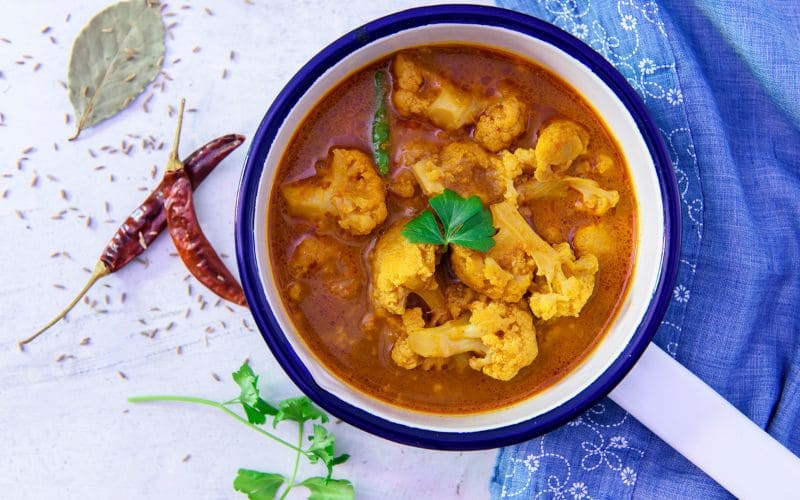
This dish is like a cozy night in a bowl. You’ve got roasted cauliflower, creamy coconut milk, and enough spice to wake up your tastebuds. It’s the kind of meal that makes you forget you’re eating something healthy.
I once threw this together after a long day with zero expectations. It turned into one of those recipes you scribble onto a sticky note and stick on your fridge forever. It’s that satisfying.
What you’ll need:
- Cauliflower rice (or florets if you like more bite)
- Canned coconut milk
- Red curry paste or powder
- Handful of spinach or kale
- Protein: Lupini beans if you’re being strict, chickpeas if not
Serve it with fresh coriander, crushed peanuts, and a drizzle of lime. It’s smoky, spicy, and somehow both light and comforting.
💡 Pro tip: Toast your curry spices in a dry pan before adding anything else—it brings out the flavor tenfold.
2. Zucchini Noodle Stir-Fry
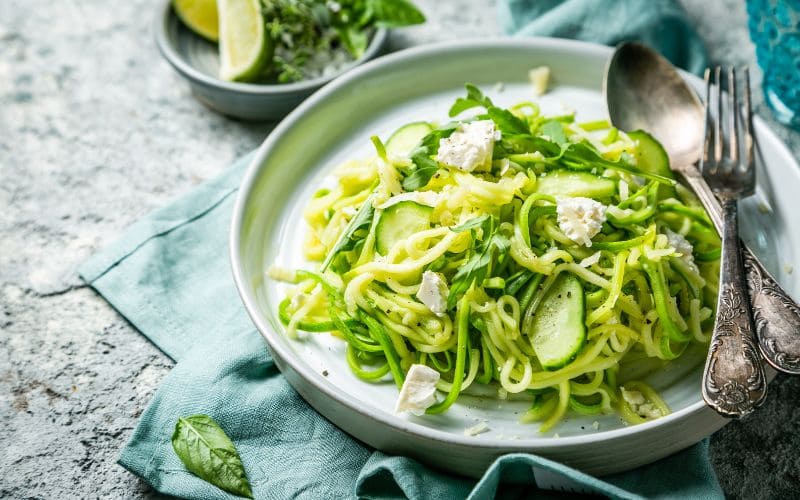
Zoodles sound like a gimmick—until you try them. They’re fresh, fast, and the perfect base for a seriously good stir-fry. Tossed with crispy tofu and whatever veg you’ve got left in the crisper, this is the clean-out-the-fridge meal that somehow always delivers.
And the sauce? It’s one of those things that makes you stop mid-bite and go, “Wait… I made this?”
What goes in:
- Zucchini noodles (use a spiralizer or even a veggie peeler)
- Tofu (pressed and browned till golden)
- Bell peppers, mushrooms, or snap peas
- Garlic, ginger, tamari, sesame oil
Top it off with sesame seeds, a squeeze of lime, and a little heat if that’s your thing. It’s crisp, savory, and done in under 20 minutes.
3. Spaghetti Squash with Walnut Pesto
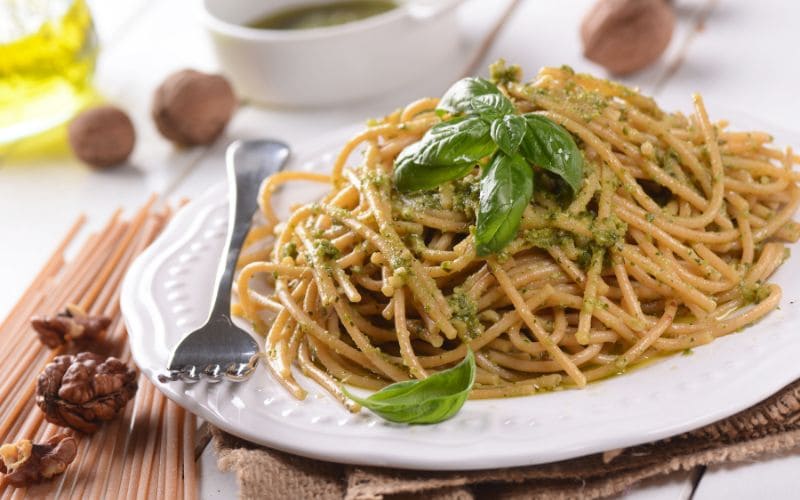
This is the kind of dish that tricks your brain. It looks like pasta. It twirls like pasta. But it’s light, nutty, and completely guilt-free. Roasted spaghetti squash is like nature’s version of angel hair—and when you top it with walnut pesto, something magical happens.
I love this one for dinner parties. Everyone’s impressed, and no one suspects it’s healthy until you tell them. Or don’t. Let it be your little secret.
What you’ll need:
- 1 medium spaghetti squash, halved and roasted
- Walnuts, garlic, olive oil, basil
- Optional: nutritional yeast, lemon zest, sun-dried tomatoes
Scoop out the strands, toss with pesto, and top with fresh herbs. Simple, elegant, and ridiculously good.
4. Crispy Tofu Lettuce Wraps
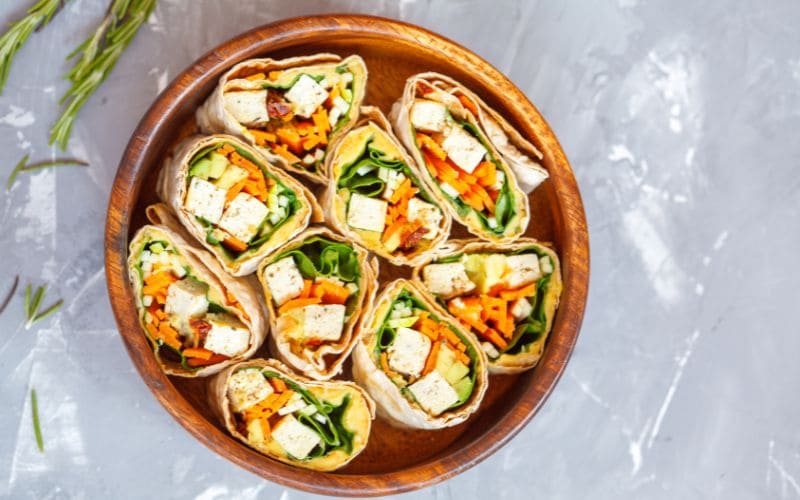
These wraps have the crunch of tacos, the zing of Thai street food, and the kind of flavor that keeps your hands reaching for more. And they’re so quick, you can pull them together while you binge a podcast episode.
I serve these with extra napkins—because they’re messy in the best way. That peanut-lime drizzle? Save it. You’ll want to put it on everything else this week.
Stuff to gather:
- Tofu cubes, pressed and pan-fried
- Butter lettuce or iceberg leaves
- Shredded carrot, sliced cucumber, chopped mint
- Sauce: peanut butter, lime juice, tamari, maple syrup
Stack, drizzle, devour. Repeat.
5. Eggplant and Almond Butter Bake
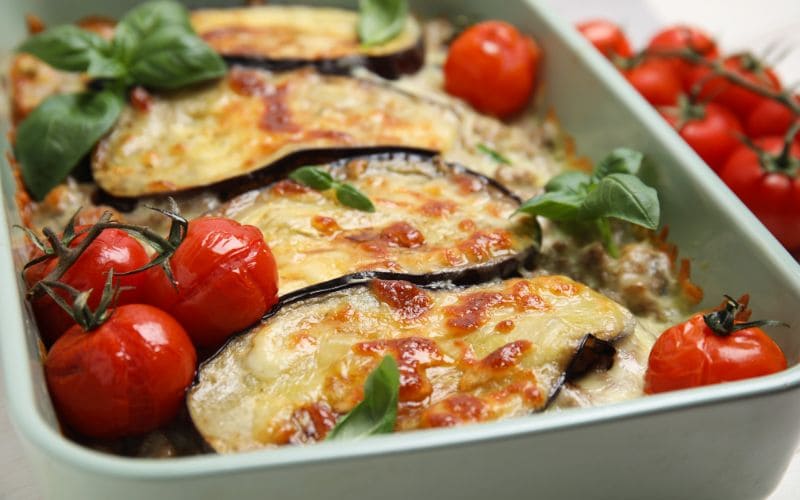
When you want something rich, melty, and straight-up indulgent—but still vegan and low carb—this is it. Layers of roasted eggplant, creamy almond butter tomato sauce, and garlicky goodness all baked into bubbly perfection.
This is the kind of dinner you serve with a big spoon and an even bigger appetite. It tastes like you fussed over it, but really, you just layered some things in a dish and let the oven do the work.
Ingredients to have on hand:
- Eggplant slices, brushed with olive oil and roasted
- Tomato sauce with a spoonful of almond butter stirred in
- Herbs: oregano, thyme, or whatever’s wilting in your fridge
Add a sprinkle of nutritional yeast or vegan cheese if you’re feeling fancy. Serve with a side of wilted greens and you’ve got balance.
6. Roasted Veggie & Avocado Salad
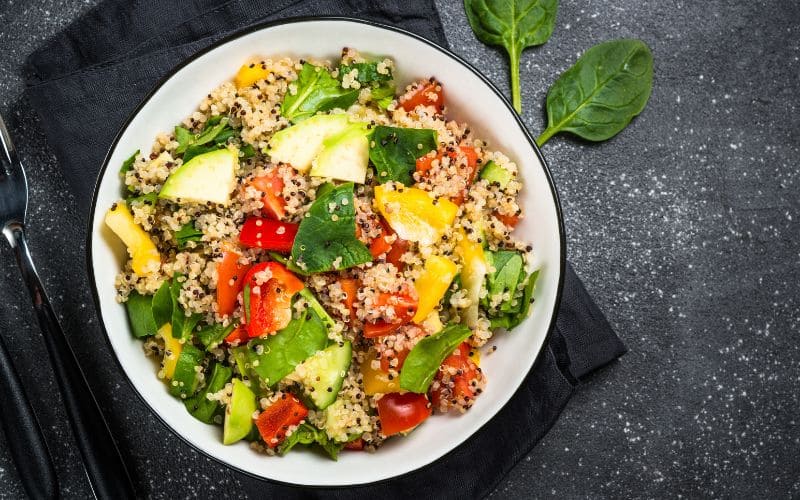
This isn’t a salad—it’s a layered experience. Warm roasted vegetables, creamy avocado, crunchy seeds, and a tahini dressing that makes you feel like a culinary genius. It’s everything your body craves, in one bowl.
The textures are what make this sing. Soft, crispy, cool, and warm. I throw everything into a bowl, toss it together, and it somehow always ends up better than I planned.
Build it with:
- Roasted zucchini, mushrooms, and red pepper
- Avocado, sliced or mashed with lemon
- Hemp seeds, toasted pepitas, or slivered almonds
- Baby kale or arugula
- Dressing: tahini, lemon juice, garlic, salt
Eat it warm or cold. Eat it standing at the counter. No rules.
💡 Pro tip: Roast extra veggies and keep them in the fridge—you’ll thank yourself later.
7. Stuffed Portobello Mushrooms
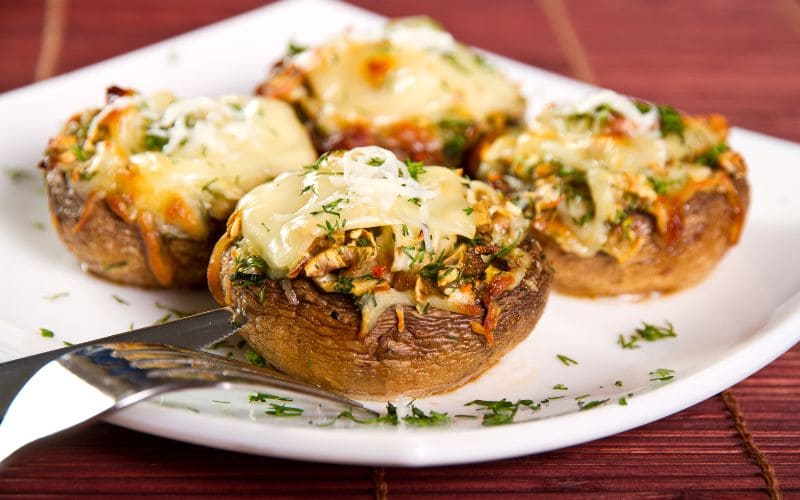
Portobellos are basically the pizza crusts of the low-carb world. Stuff them with garlicky cauliflower rice, sautéed spinach, and a few toasted walnuts, and you’ve got a little edible bowl of joy.
I always roast the caps first so they don’t turn soggy. Then pile in the filling, throw them back in the oven, and pretend you’re on a cooking show as the kitchen starts smelling amazing.
Stuffing essentials:
- Large Portobello caps (look for ones with tight gills)
- Cauliflower rice, pan-toasted for flavor
- Wilted spinach or chopped kale
- Walnuts, garlic, and olive oil
Top with fresh herbs or a dollop of vegan pesto. Best enjoyed with a fork in one hand and a glass of something bubbly in the other.
💡 Pro tip: Use a spoon to gently scrape out the mushroom gills—they can hold moisture and dull flavor.
How to Keep Low Carb Vegan Meals Interesting
Batch-Cooking Without Boredom
Let’s be honest—eating healthy isn’t hard for a day or two. But doing it every single day? That’s where things get tricky. Especially when batch-cooking starts to feel like eating leftovers on repeat. If you’ve ever stared down a container of three-day-old tofu and sighed, you’re not alone. But variety doesn’t mean cooking new meals every day—it means prepping smarter.
The trick is to prep ingredients, not meals. Think of it like a build-your-own bowl bar in your fridge. You’ve got a few veggies, a couple proteins, and some sauces on standby. From there, it’s all about mixing and matching.
- Roast a few trays of vegetables—change them up each week: zucchini, bell peppers, mushrooms, eggplant, even radishes.
- Cook 2 or 3 proteins: marinated tofu, crispy tempeh, or boiled lupini beans work great.
- Whip up a couple sauces in advance—like tahini lemon, spicy chimichurri, or creamy cashew garlic.
Store each component separately. That stir-fry you had on Monday? By Wednesday, it’s now a Buddha bowl. Thursday? Toss it all into a lettuce wrap with a new dressing. Same base, new vibe.
💡 Pro tip: Pour your sauces into ice cube trays and freeze. Pop out a cube when you need a flavor refresh.
Flavor Is Key
Here’s a harsh truth: most people don’t quit healthy eating because it’s too hard. They quit because the food is bland. Flavor is the difference between a meal that fuels you and one that excites you. And good news—it’s easier than it sounds.
You don’t need a cupboard full of exotic spices. You need a few essentials, a couple of fresh herbs, and a willingness to experiment.
- Spices: Start with smoked paprika, cumin, turmeric, curry powder, and garlic powder. They’re pantry staples for a reason.
- Fresh herbs: Basil, cilantro, parsley, dill—they bring brightness and color to everything.
- Acid: Don’t underestimate the power of lemon, lime, or apple cider vinegar. One splash can wake up an entire dish.
- Sauces: Make a few go-to options—like a tahini drizzle, nut-based dressings, or something spicy to shake things up.
Rotate spice blends from different cuisines—Mexican chili-lime, Indian curry, Thai lemongrass—to give old ingredients new life. You’ll be surprised how much fun it can be to reinvent leftovers with just a pinch of something different.
💡 Pro tip: Finish every dish with something fresh—herbs, citrus juice, or a splash of vinegar can completely transform the taste.
How to Stay Full on a Low Carb Vegan Diet
If you’re eating clean but still feel like snacking 20 minutes after lunch, chances are your plate is out of balance. The key? A steady mix of protein, healthy fats, and fiber. It’s not magic—it’s just how your body works best.
I learned this the hard way. I used to build salads with greens and maybe a few chickpeas. They looked beautiful. But an hour later, I was raiding the pantry. Once I started adding hemp seeds, avocado, and a scoop of sautéed tempeh, I stopped snacking and started feeling satisfied.
- Protein: Tofu, edamame, tempeh, hemp seeds—plant-based and reliable.
- Fats: Add slices of avocado, a drizzle of olive oil, or a spoonful of nut butter.
- Fiber: Broccoli, cauliflower, zucchini, leafy greens—these fill you up and keep digestion happy.
Soups made with blended vegetables and creamy bases (like coconut milk or pureed cauliflower) can also be surprisingly filling and comforting. Don’t underestimate the power of warm food to curb cravings and keep you satisfied.
💡 Pro tip: Chia seeds aren’t just for puddings—they’re also great stirred into dressings or smoothies for long-lasting fullness.
Meal Composition Tips
You don’t need a calorie tracker or scale to build a great meal. Just keep it visual. Imagine your plate divided into three zones:
| Plate Section | What to Include |
|---|---|
| 50% | Non-starchy vegetables (think leafy greens, zucchini, or roasted mushrooms) |
| 25% | Plant-based protein (like tofu, tempeh, lupini beans) |
| 25% | Healthy fats (avocado slices, toasted nuts, seed-based dressings) |
This is your basic blueprint. Use it to build bowls, stir-fries, even hearty salads. And if something feels off—like you’re still hungry or low energy—tweak the balance until it works for your body.
Mistakes to Avoid on a Low Carb Vegan Diet
Common Pitfalls
Switching to a low carb vegan diet can feel like you’re juggling flaming swords at first. The biggest mistake? Not eating enough. If you drop carbs and forget to add back calories from protein and fat, you’re going to crash—hard.
Another issue? Leaning too heavily on fats alone. Yes, avocados are amazing. But they’re not a whole meal. You still need fiber, micronutrients, and variety to thrive.
- Keep meals consistent—don’t go too long between eating or you’ll end up overcompensating later.
- Eat the rainbow—bright, colorful produce means you’re covering your nutritional bases.
- Rotate your staples—switch up your greens, proteins, and flavor profiles weekly to avoid burnout.
Nutritional Deficiencies to Watch
There’s a sweet spot between eating clean and accidentally cutting out essential nutrients. It’s easy to overlook certain vitamins and minerals when your diet gets restrictive. Here are the big ones to keep on your radar:
- Vitamin B12: This one’s a must-supplement. You won’t find it in plants unless they’re fortified—nutritional yeast is a solid option.
- Iron: Pair iron-rich foods like lentils or spinach with a hit of vitamin C (lemon, bell pepper, etc.) to boost absorption.
- Omega-3s: Toss flax, chia, or hemp seeds into anything and everything. They’re your plant-based answer to fish oil.
When in doubt, talk to a plant-based nutritionist. It’s worth the peace of mind and can make all the difference in how you feel day to day.
💡 Pro tip: Keep a jar of ground flax or hemp seeds near your prep area—you’ll start tossing them into everything.
Conclusion
Eating low carb and vegan doesn’t have to be boring, stressful, or restrictive. It can be colorful, nourishing, and deeply satisfying if you approach it with curiosity instead of rules. Whether you’re in it for the energy boost, the better digestion, or just because the meals taste amazing—you’re on the right track.
Start small. Pick one meal a day to really focus on. Build a bowl. Try a new dressing. See what works. And if something flops? No big deal. You’ve got another meal tomorrow. Just keep showing up for yourself, one delicious bite at a time.
💡 Pro tip: Progress doesn’t have to be perfect. Every time you prep ahead or try a new combo, you’re building momentum.